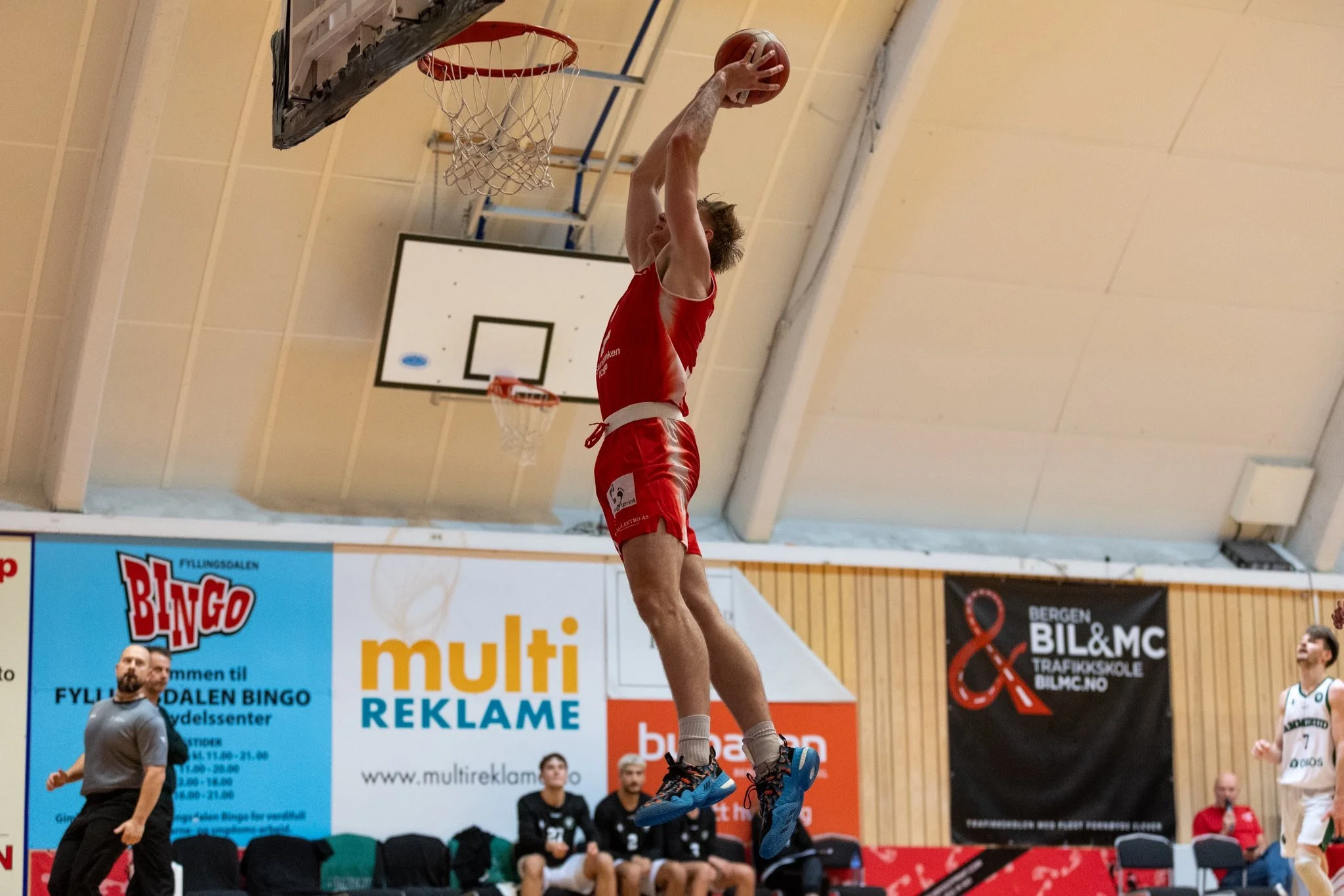
Gimle Basketball Club: Respect. Fellowship. Hard work
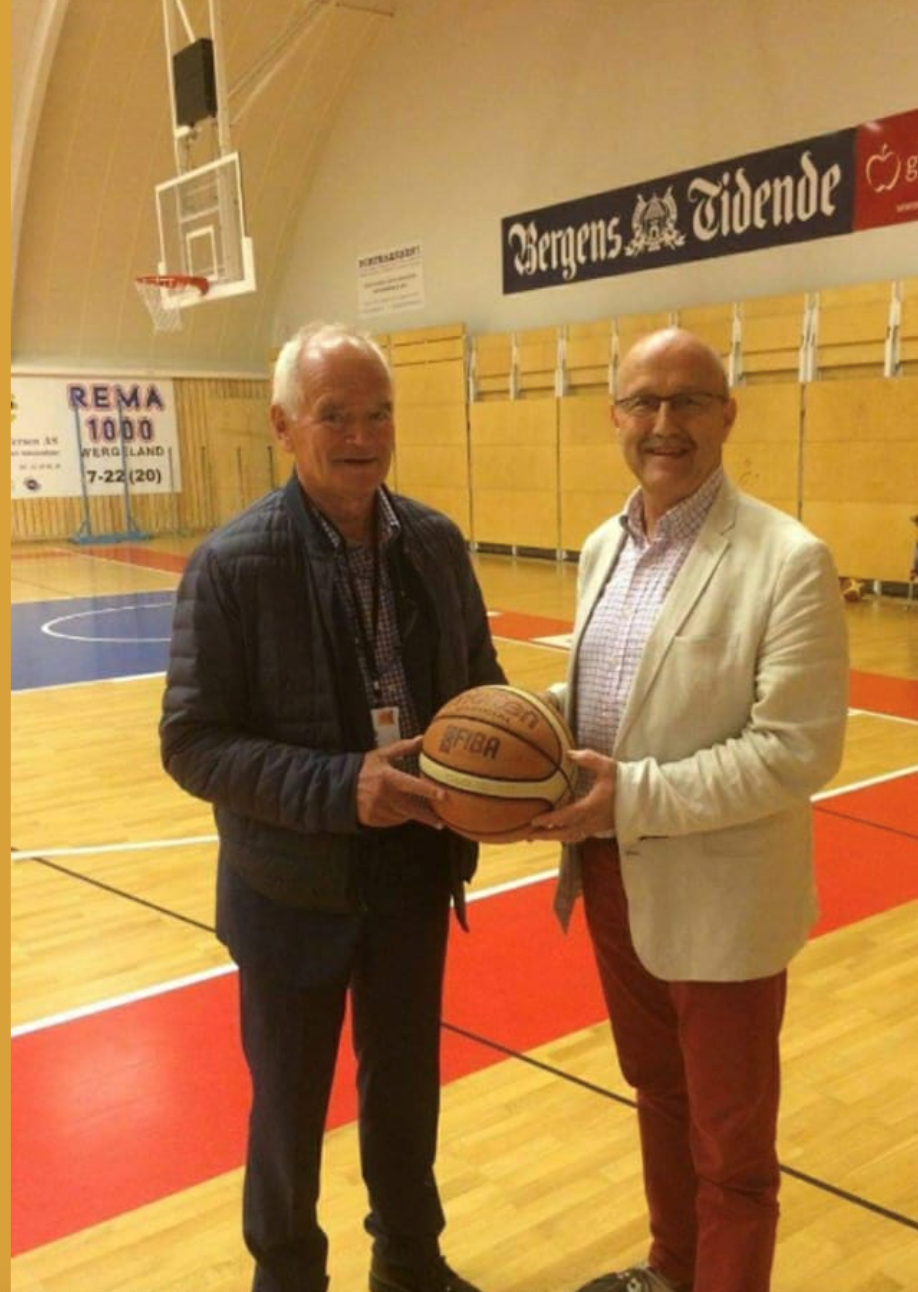
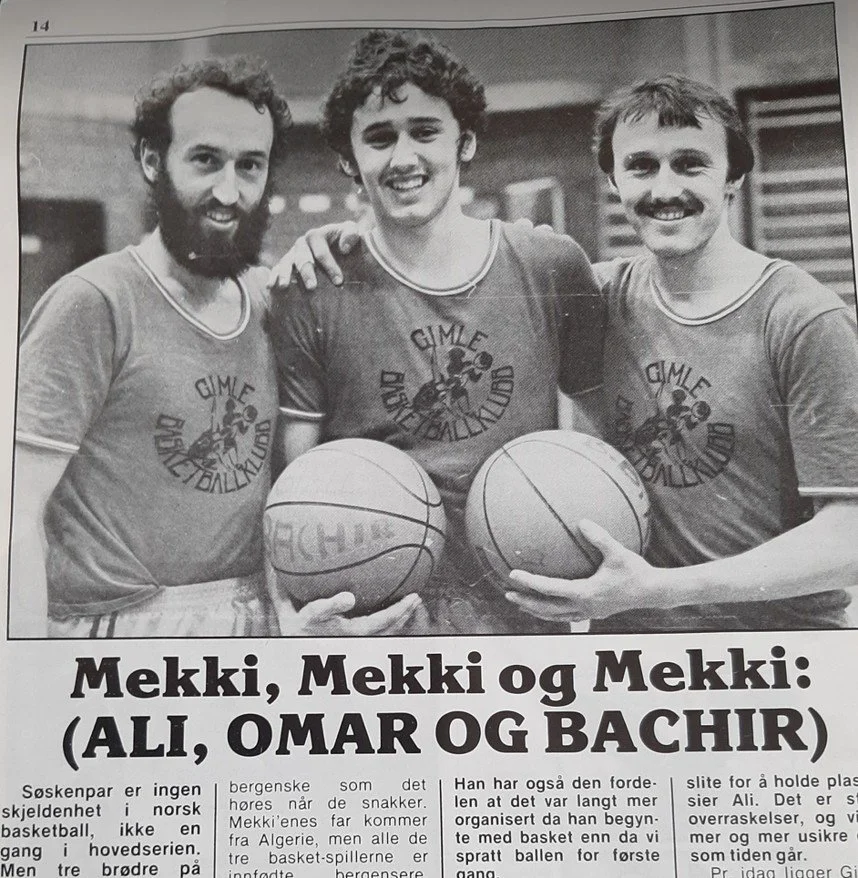
In 1972, what began as a simple warm-up exercise before volleyball practice became the spark for one of Bergen, Norway’s most iconic basketball stories. At the heart of it was Omar Mekki, whose playful experiment with a ball and hoop inspired a group of young athletes to create something lasting — Gimle Basketball Club.
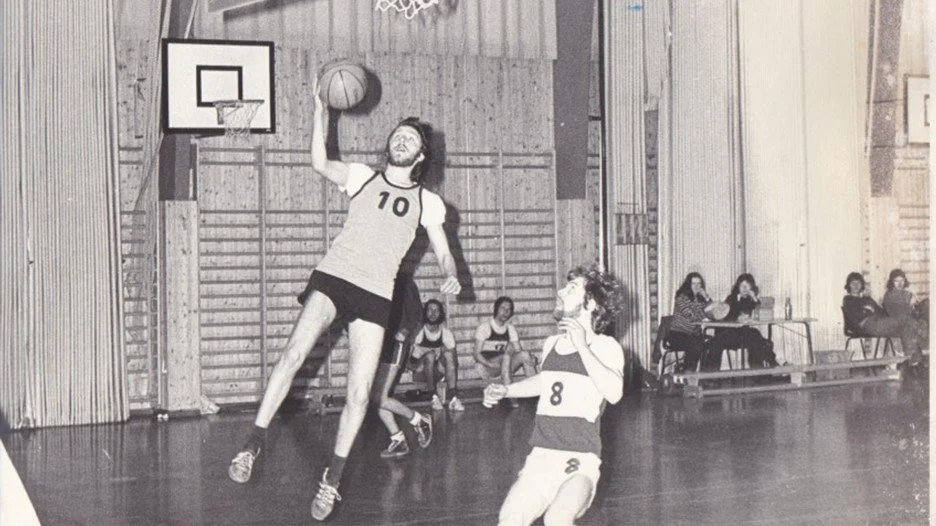
From those humble beginnings, guided by early mentors John Sverre Fauske and Svein Jansen, Gimle’s passion for the game grew quickly. By 1979, they were competing in the national league. When Gimlehallen opened in 1984, it wasn’t just a gym — it was the beating heart of a growing community.
Early Leaders and Builders
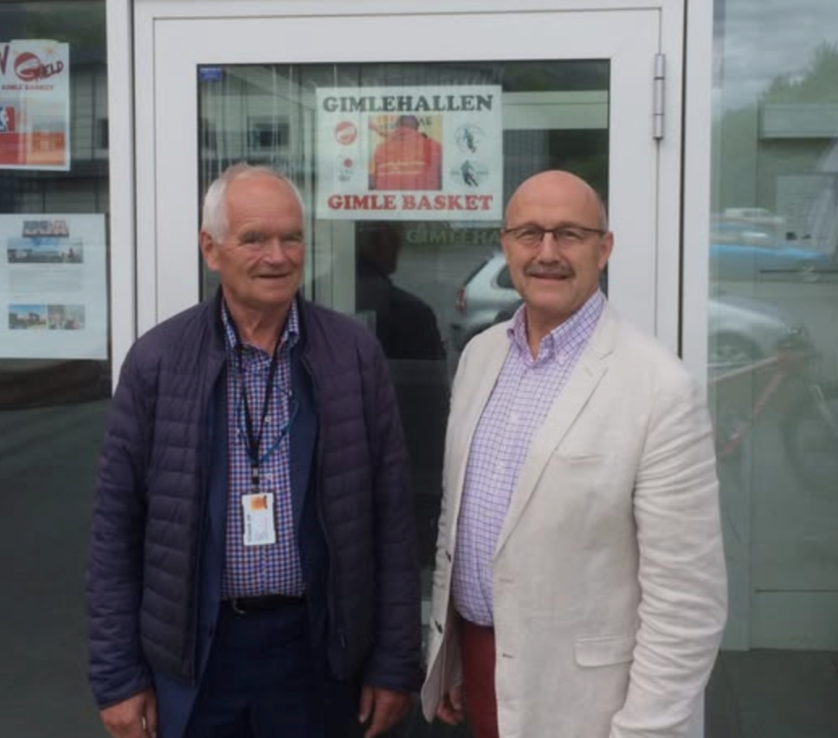
Visionaries such as Kjartan Pettersen and Henning Løvstakken (both now passed) helped guide the club’s early organizational structure. Arne Midtun managed Gimlehallen for many years, nurturing the arena’s welcoming atmosphere. In later years, Kristian Bye led the board (2014–2025), overseeing a modern era of growth and unity.
Throughout this journey, Trond Mohn’s steadfast support has been incredibly generous and significant. Johan “Joen” Salskjesvik’s mentorship also has played a key role for Gimle and its families. Not many people such as Johan have meant more in Norwegian basketball.
A Club That Believed in Its Women
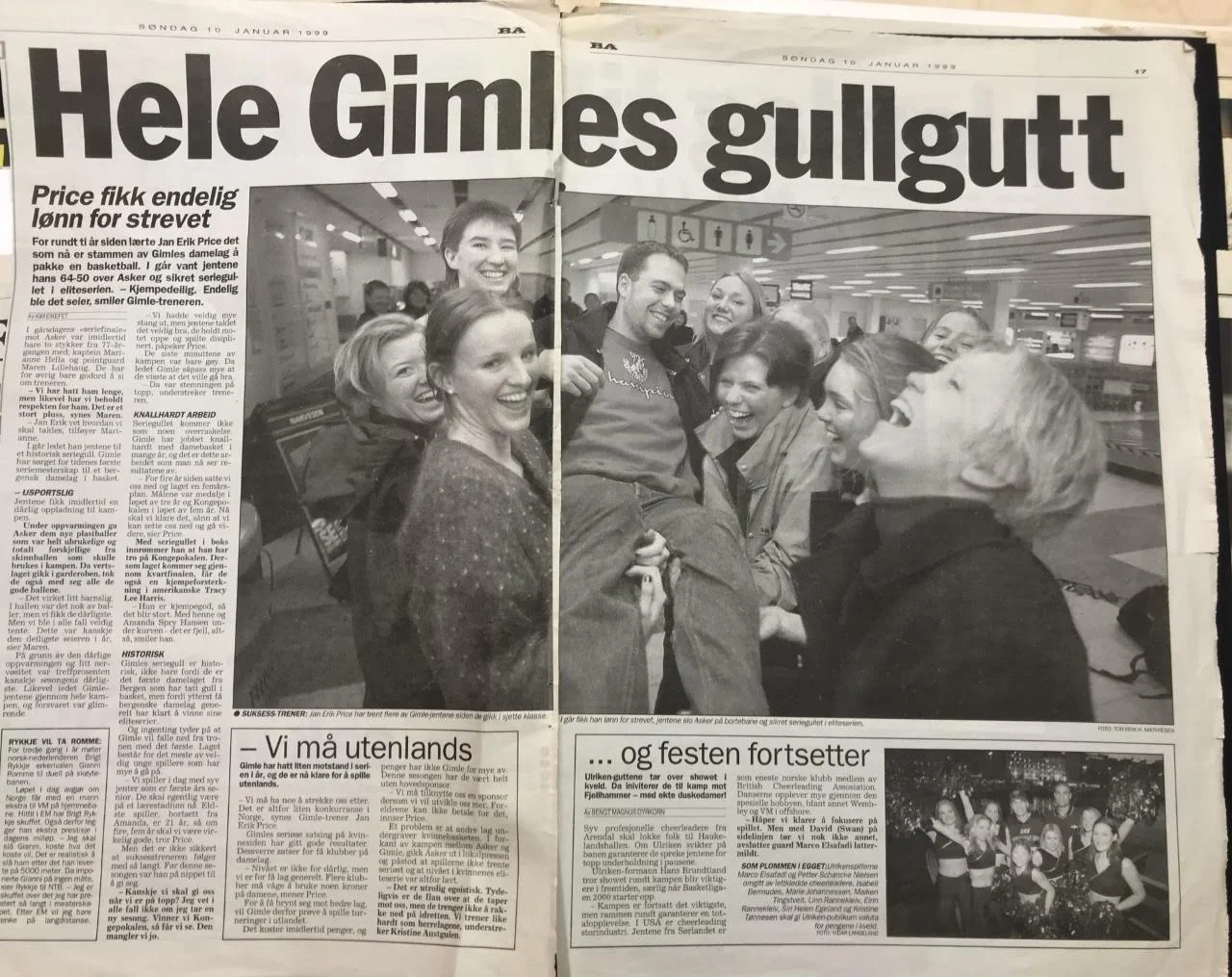
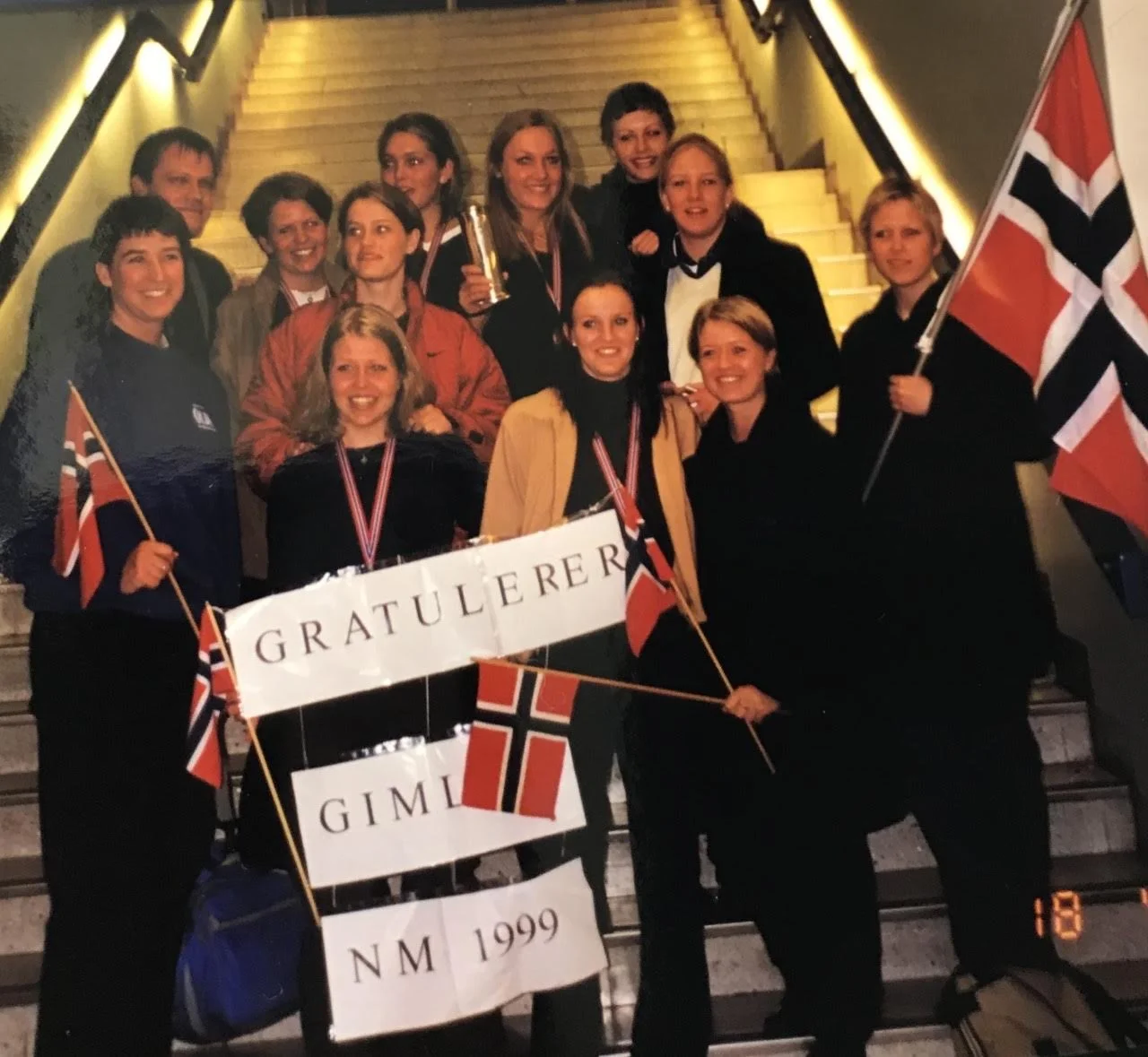
From the early 1990s into the 2000s, Gimle became known across Norway for one thing above all else — belief. Under the steady leadership of Jan Erik Price, the club built a women’s program defined by commitment, care, and culture. Through tireless hours of coaching, organizing, and mentoring, Gimle’s women’s teams rose to national rankings — winning nine consecutive King’s Cups between 1991 and 1999, and lifting the trophy again in 2013 and 2019.
Trophies were never the main objective. At Gimle, success has always meant something deeper: creating an environment where everyone belongs, where every player and volunteer feels part of a family. The women’s side of Gimle became a model for rules and dedication— a living example of how unity, discipline, and shared purpose can transform a small club into a powerhouse.
The Spirit of Gimlehallen
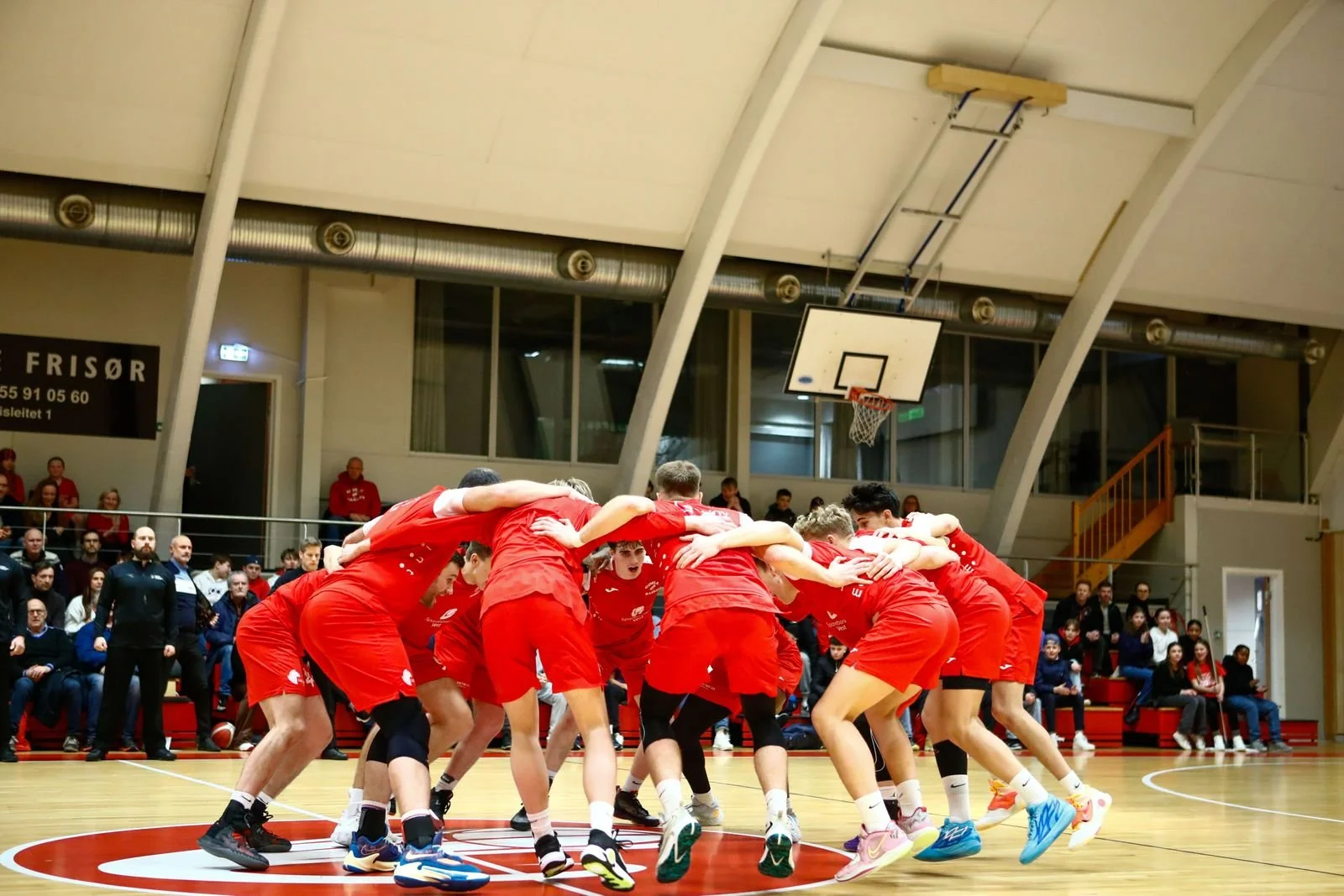
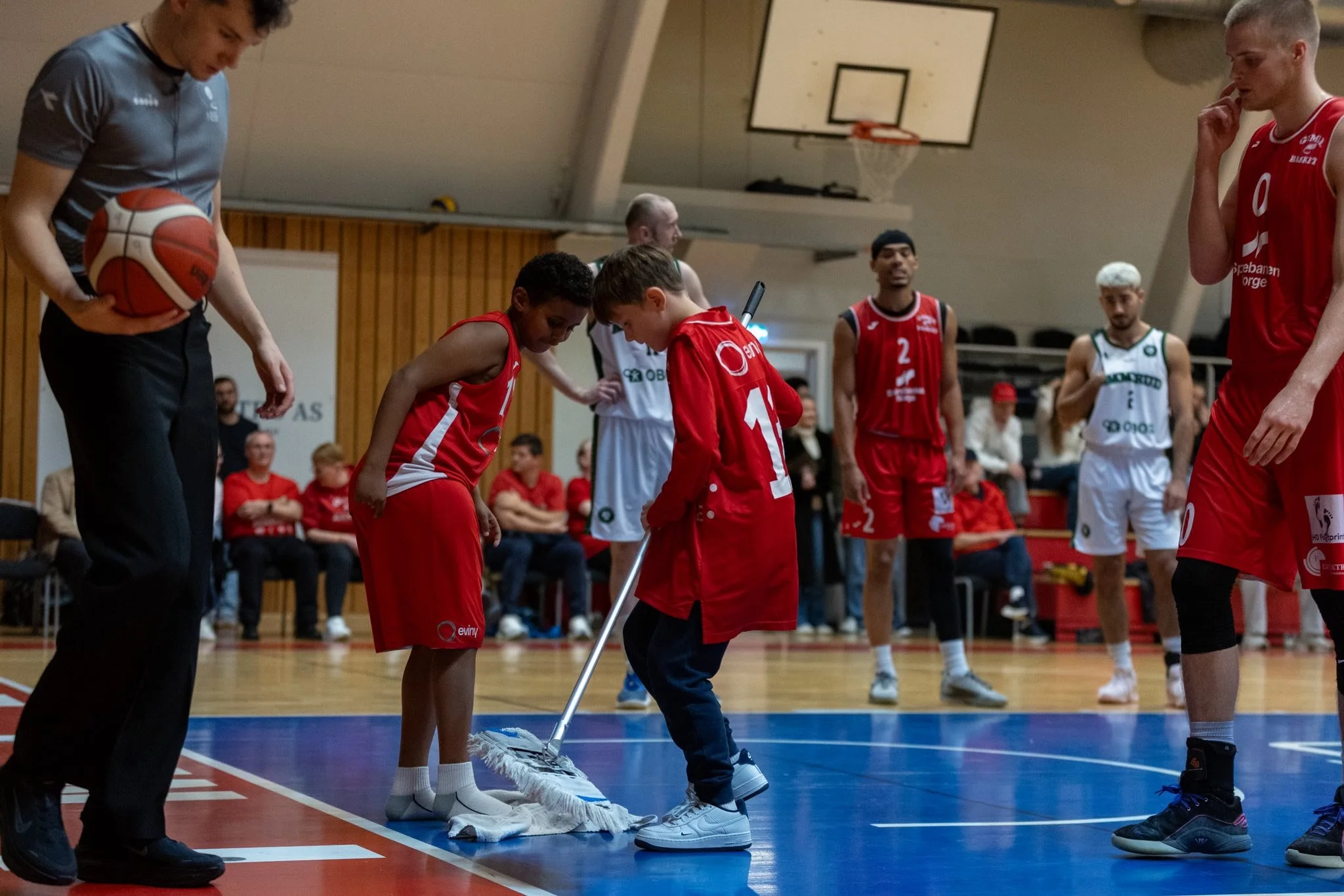
In the early years, Gimlehallen had no running water, no showers, and no luxury — but it was alive with passion. Players swept the floors before practice, baked cakes for the kiosk, and helped fundraise for tournaments abroad. Parents, coaches, and players all took part to keep the club running.
Among the most impactful and personal stories from this time is that of Trond Mohn, whose generosity has long been tied to his deep belief in community and sport. Few know that in the late 1980s, around the time his daughter, Louise Mohn, transferred from Hop BBK to Gimle, he made an extraordinary gesture — donating nearly all his personal savings, between NOK 600,000 and 800,000, to help fund Gimlehallen.
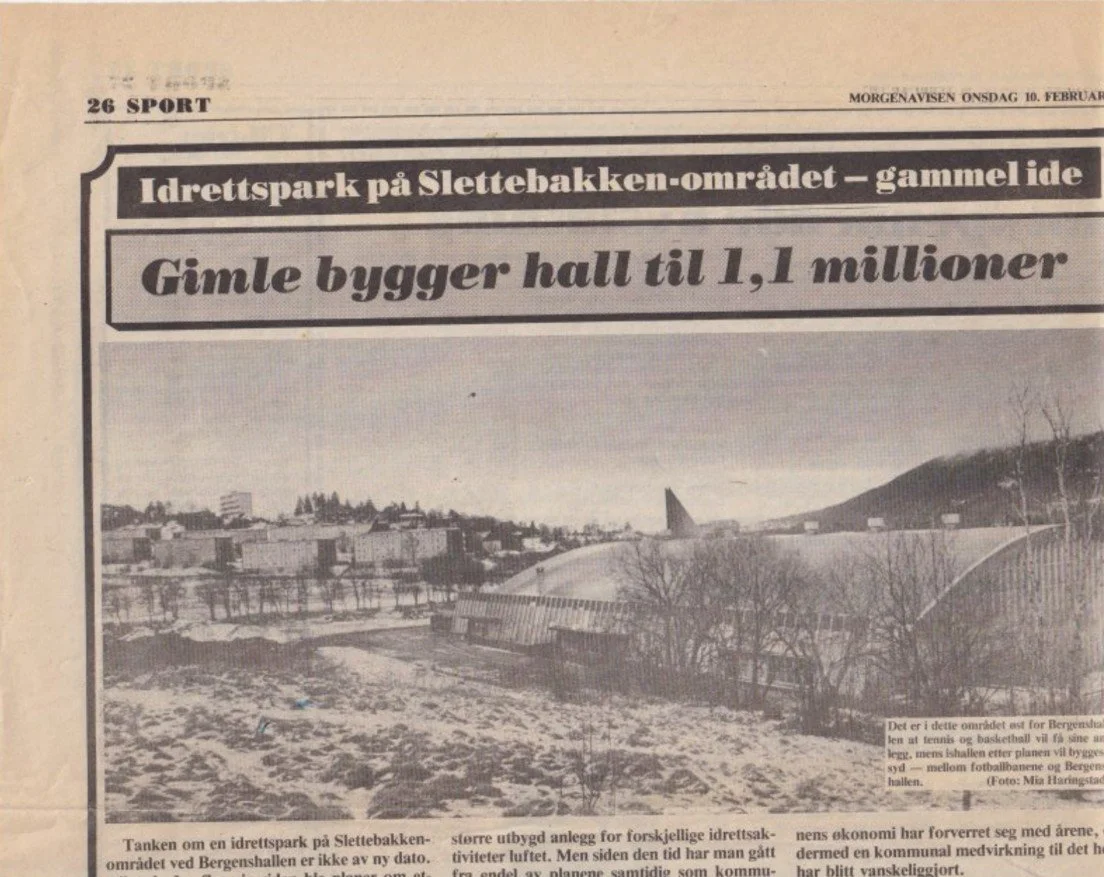

This was before his company, Frank Mohn AS became a global success as many know of today. Having just paid off his home mortgage, Trond Mohn quietly gave away everything he had to ensure Bergen’s young athletes had a place to grow — inspired by his daughter’s love of basketball and the club’s spirit of togetherness. It was an act that went unspoken at home for decades, only to be revealed many years later. The story captures many of the values Gimle represents at its core: selfless giving, belief in youth, and building something greater than oneself.
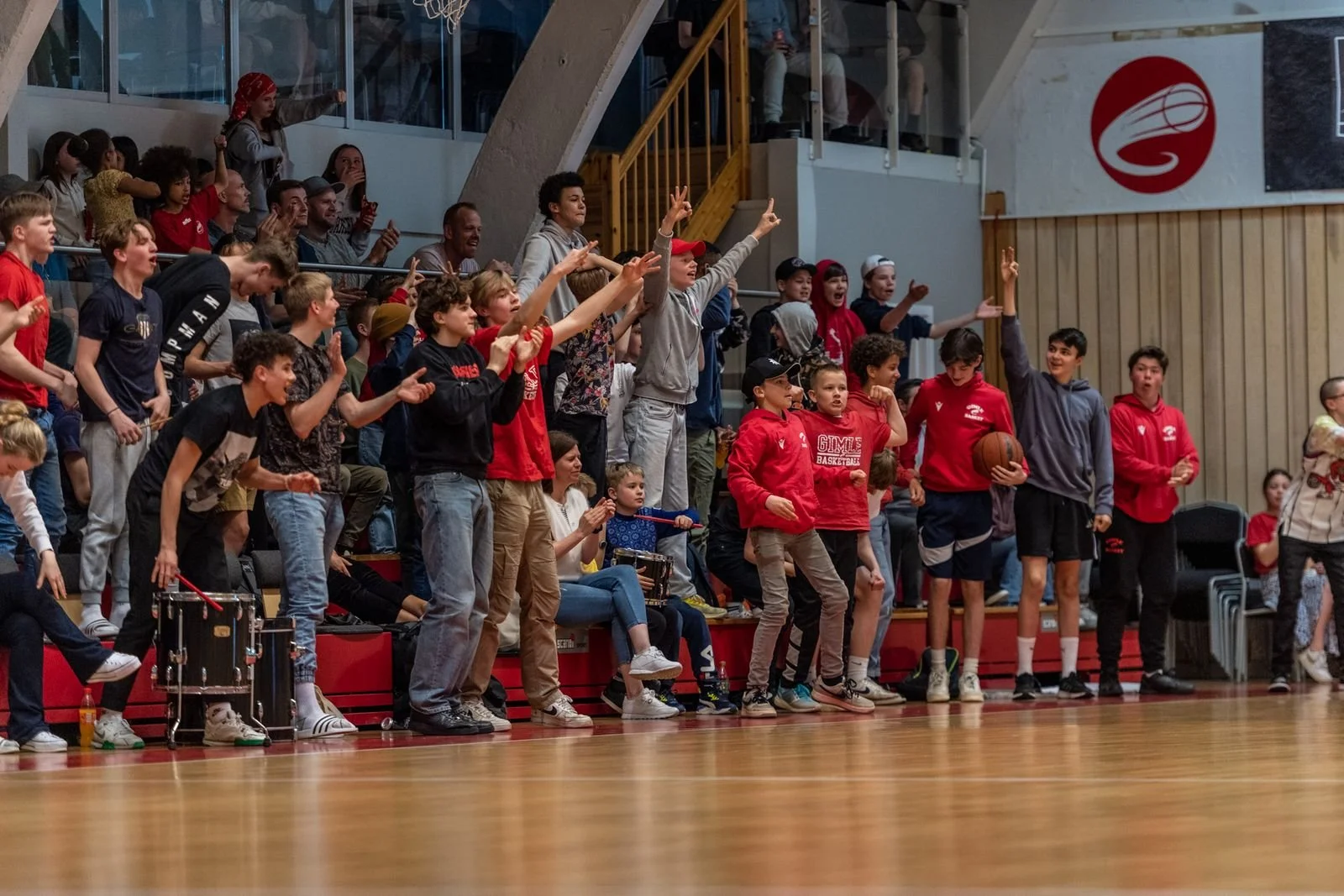
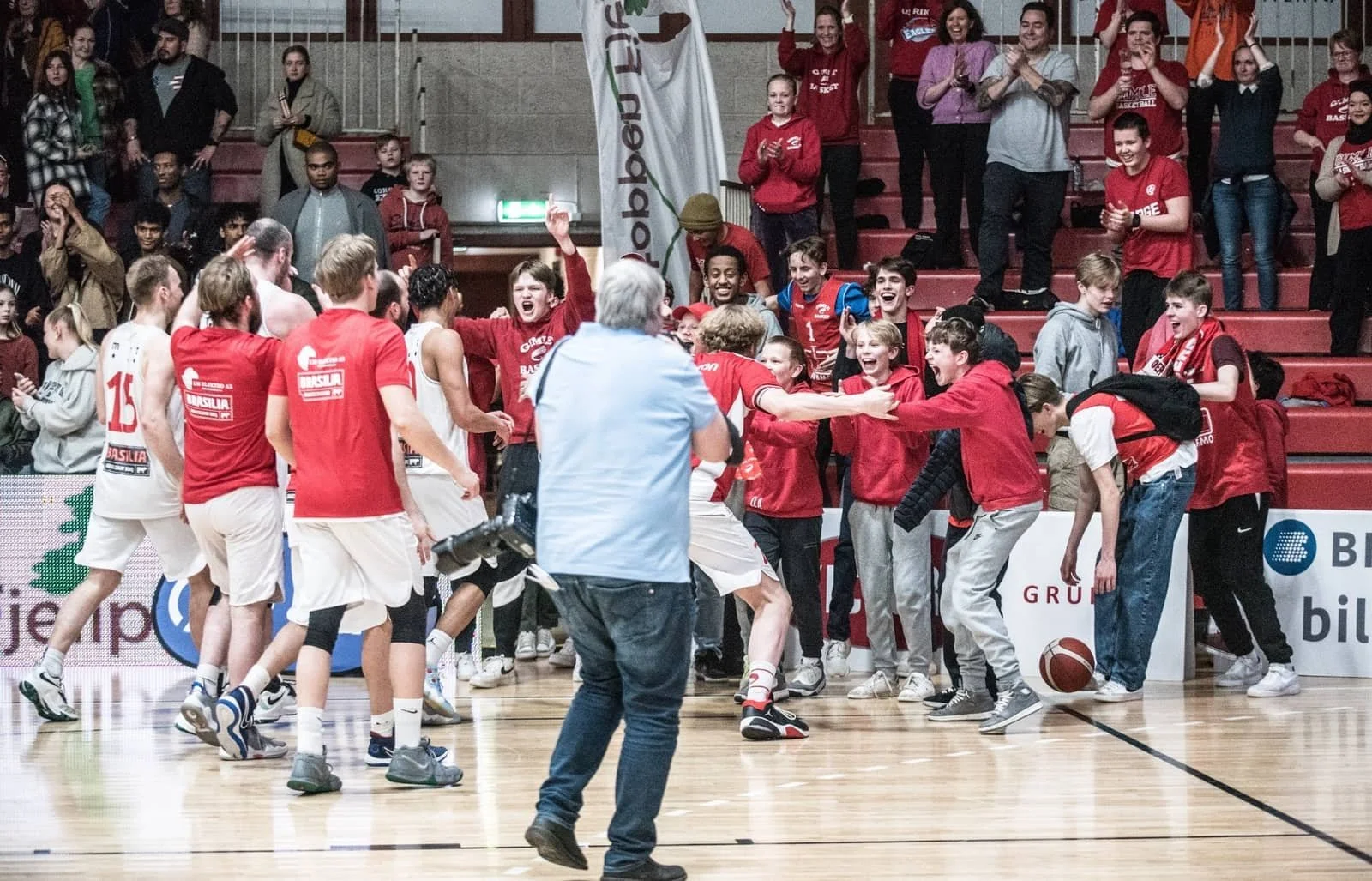
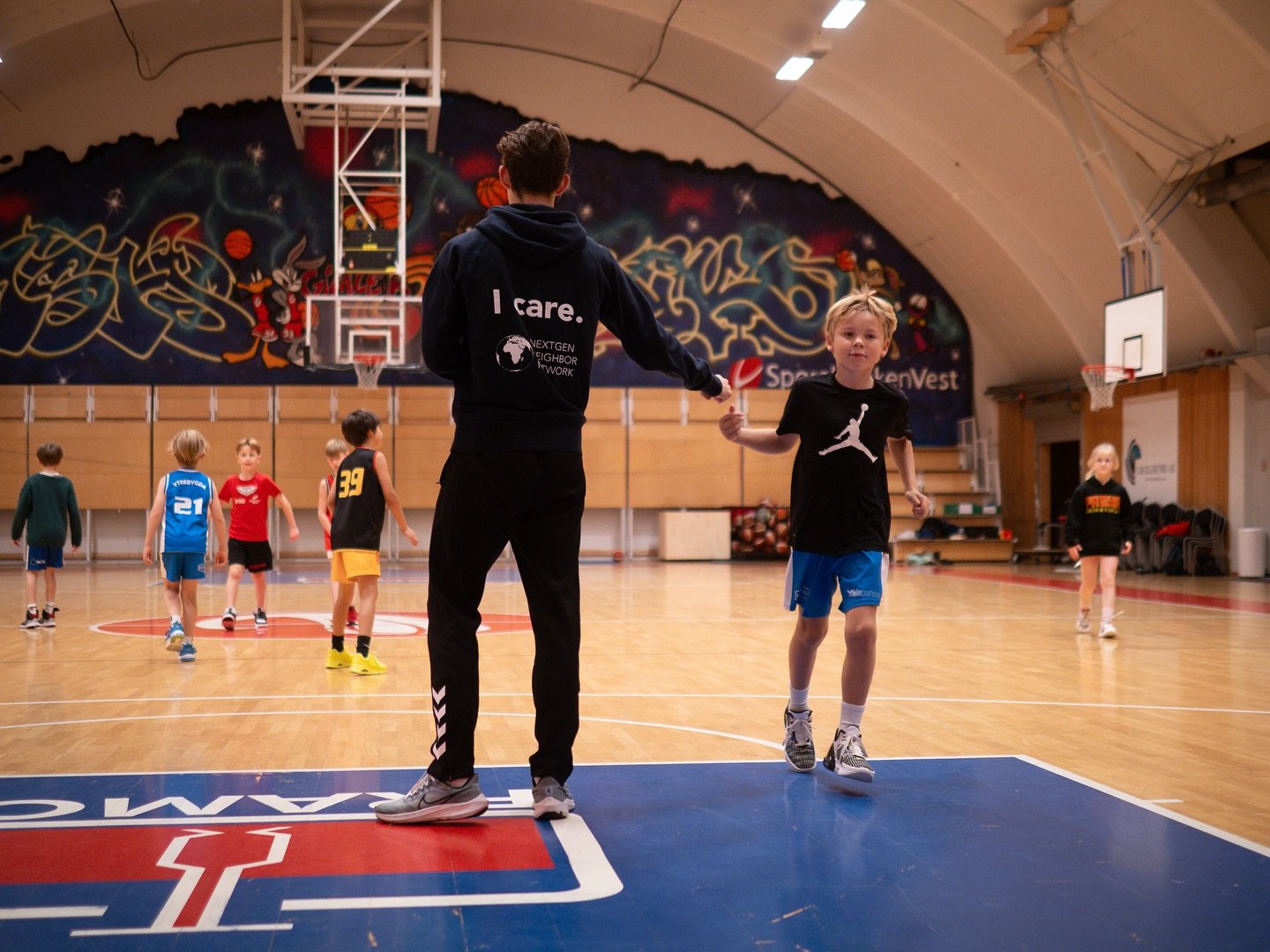
That spirit endures. To this day, every team helps run BLNO games, families work the kiosks and secretariats, and children learn early that belonging to Gimle means giving back. Parents often say that if they can’t reach their kids at home, they know where to find them — at Gimlehallen, their “second home.”
Each spring, members volunteer to maintain the gym and its surroundings, and every team undertakes its own projects to finance travel to domestic and international tournaments. Even during holidays, the hall remains open — a safe, vibrant space for play, friendship, and growth.
A Legacy of Champions
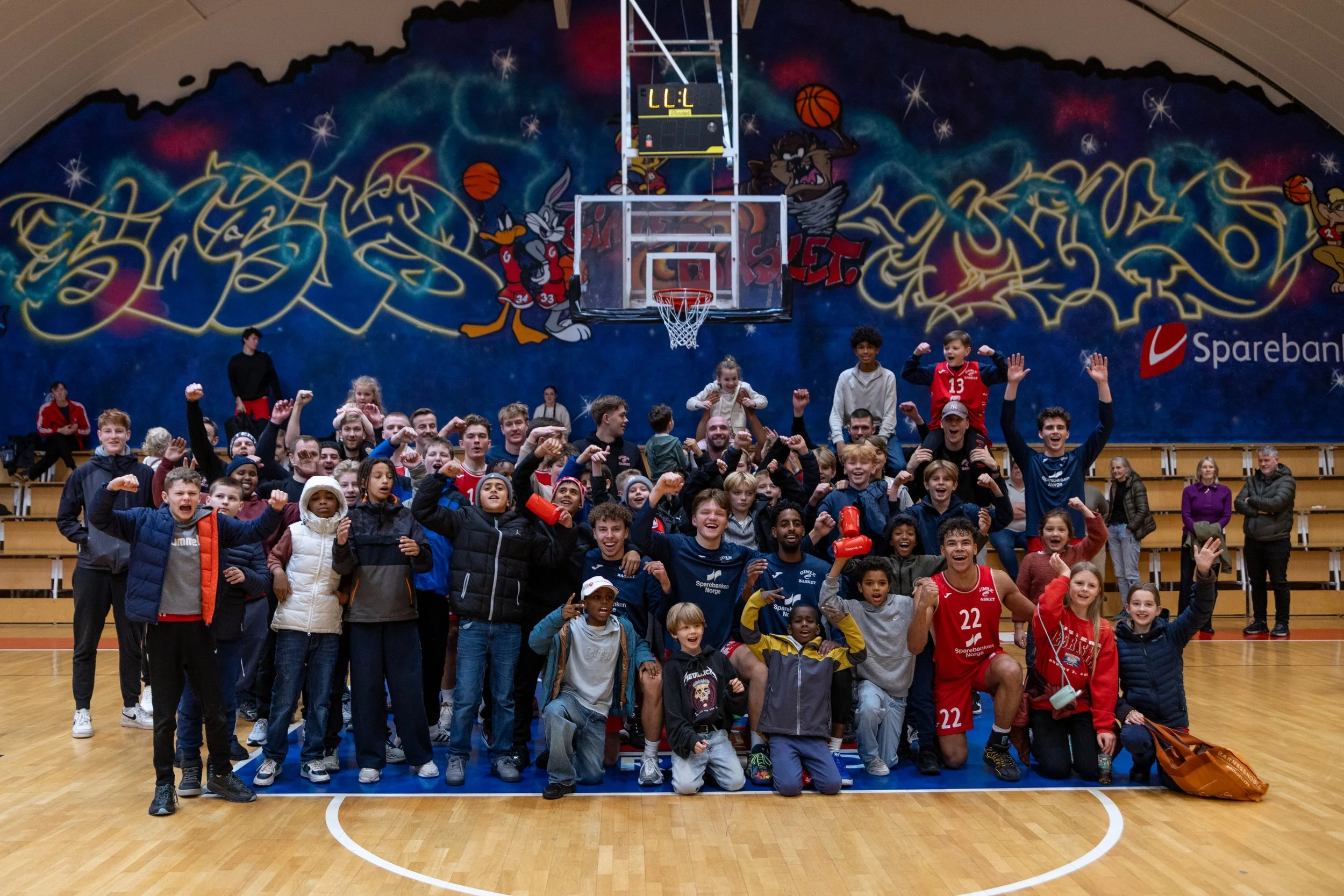
Gimle’s story is rich with milestones. On the men’s side, championships came in 1993, 2014, 2022, and 2023. The club is also Norway’s leading junior organization, holding the most combined boys’ and girls’ national titles. Over the decades, the club has developed some of Norway’s finest talents — names that have left their mark both nationally and internationally:
Ainars Bagatskis, who helped secure the 1993 title before going on to an outstanding European coaching career.
Svein Helge Dyrkolbotn, once hailed as Norway’s greatest talent, who starred for the Florida Gators in the NCAA Final Four.
Kristine Austgulen, her VCU Rams jersey is retired; Academic All-American with a 4.0 GPA.
Dejan Majstorovic, a key player in 2014, now one of the world’s most accomplished 3x3 players.
Marianne Hella and Maren Lillehaug, cornerstones of Gimle’s women’s dynasty and still contributing as volunteers and mentors.
Audun Eskeland, a championship player turned head coach, shaping Gimle’s men’s future.
Milovan Savic, one of Norway’s most respected players, who made Bergen his home and earned Norwegian citizenship, embodying the club’s values of belonging and respect.
Chris Ebou — Gimle junior champion; U.S. college national title (Division II) and professional career.
Frode Loftesnes — Gimle graduate with international professional experience.
From Bouna Black Ndiaye to Mikkel Kolstad and Lars Espe, the list of players who have carried Gimle’s spirit forward is long — and growing.
The Modern Era
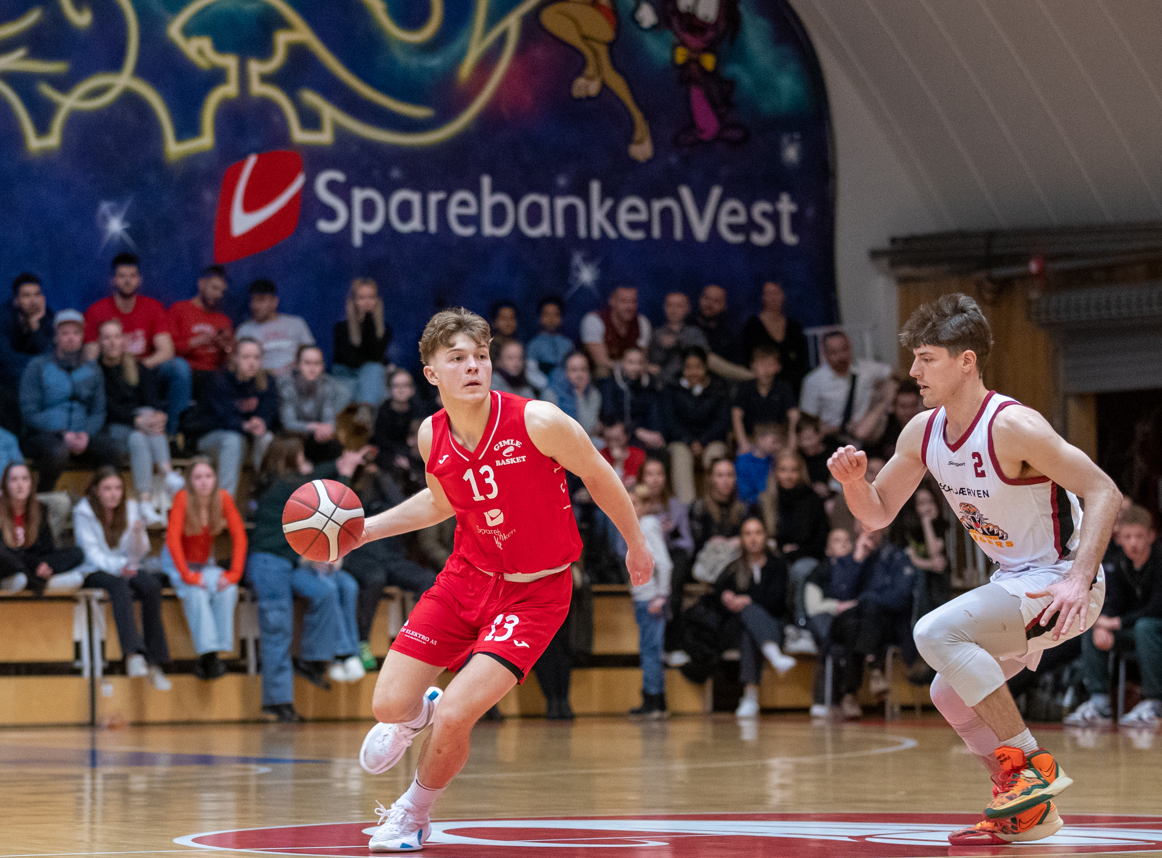
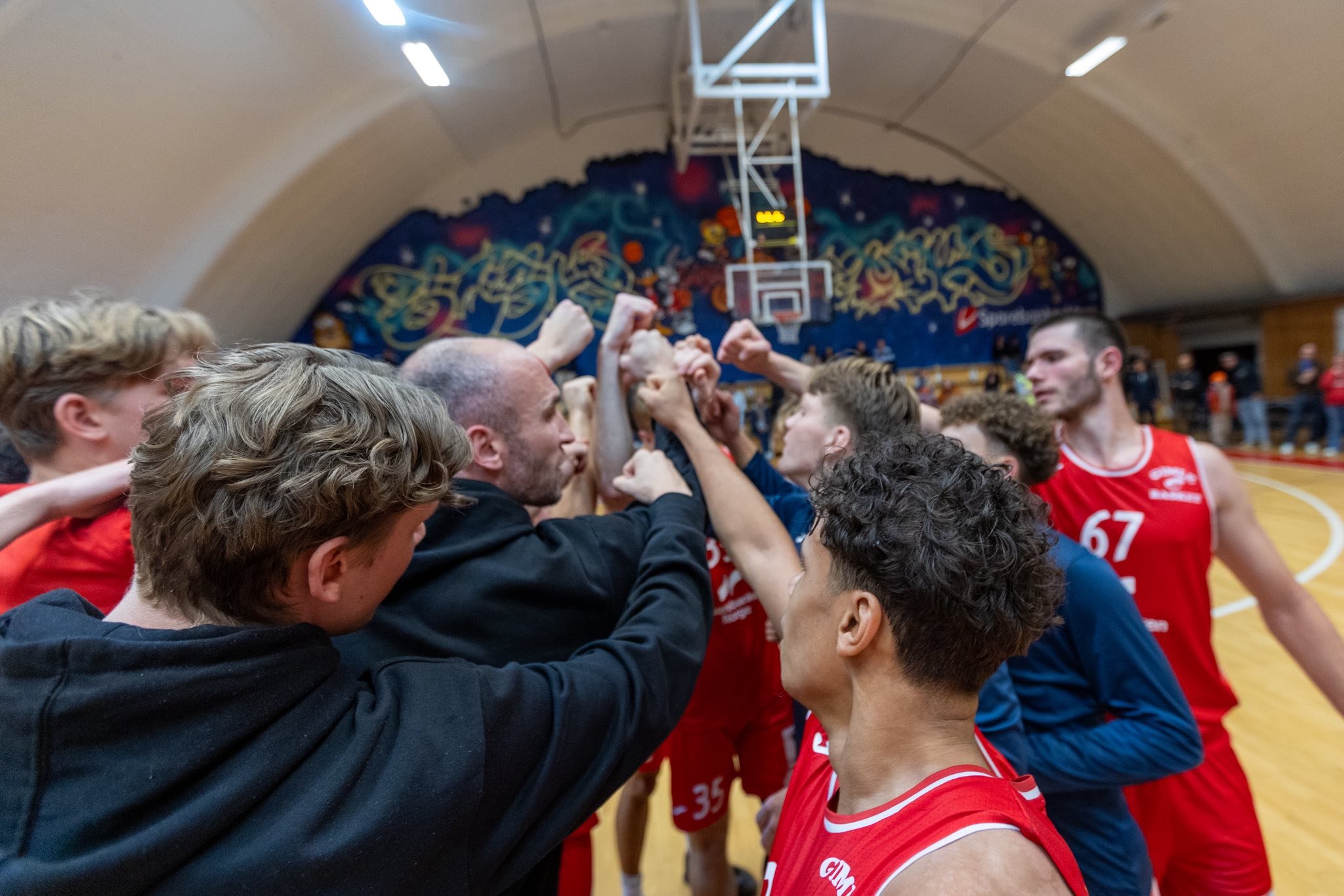
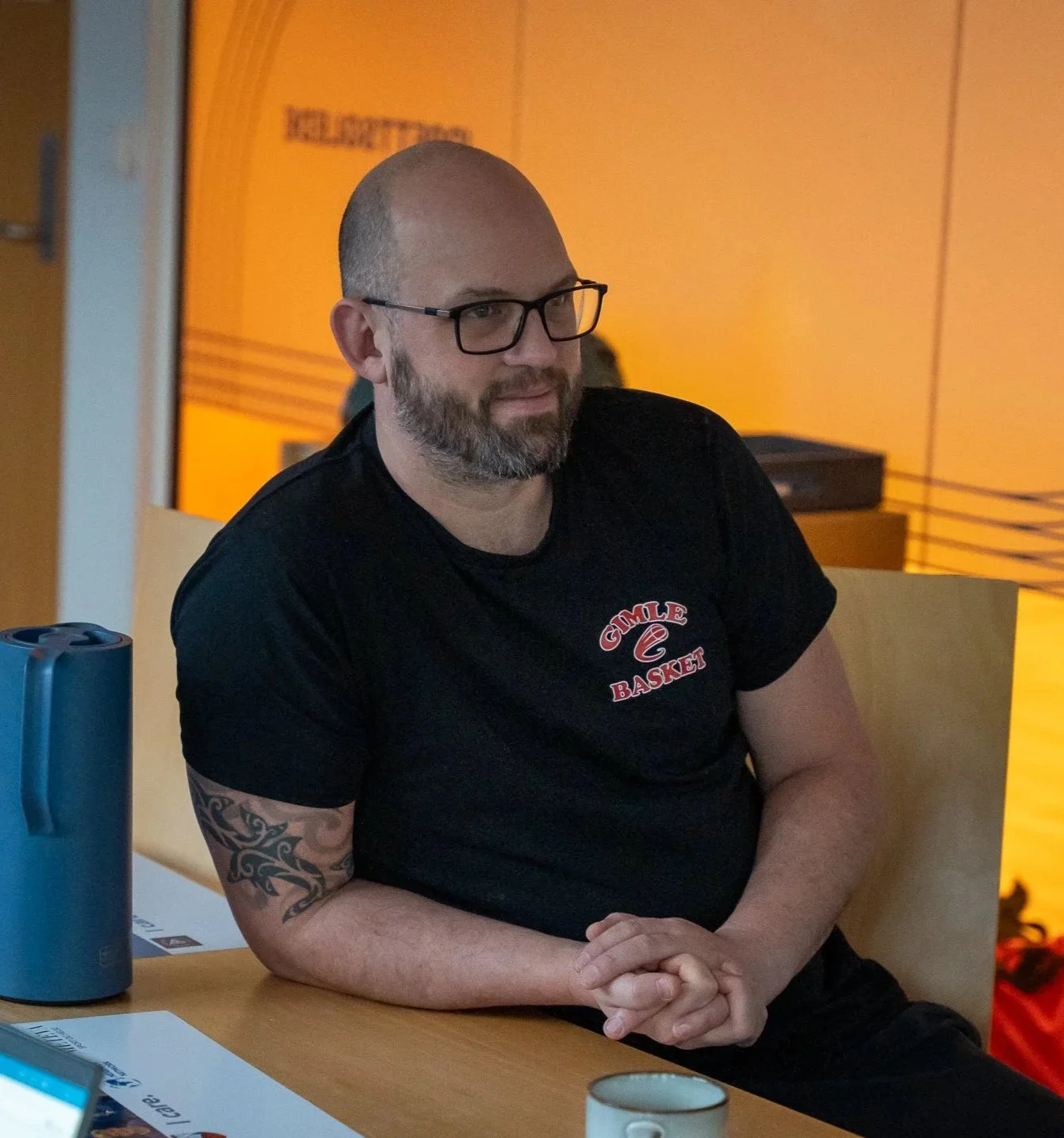
In 2015, a new chapter began when club legend Audun Eskeland, one of the BLNO’s top players from 2003 to 2014 retired and stepped into the role of head coach. His first season at the helm was transformative. Leading a young and promising group of Norwegian, Gimle-grown players, Audun guided the team all the way to the semifinals, a signal that something new was on the rise for the club.
That season caught the attention of another Gimle son, Frederik “Lillis” Gnatt. A childhood friend of Audun’s, Frederik had grown up in the same hall, played alongside him, and shared a championship at Ulriken. Seeing the momentum building around his old club, he asked Audun if there was anything he could contribute. The answer, as history now shows, was yes.
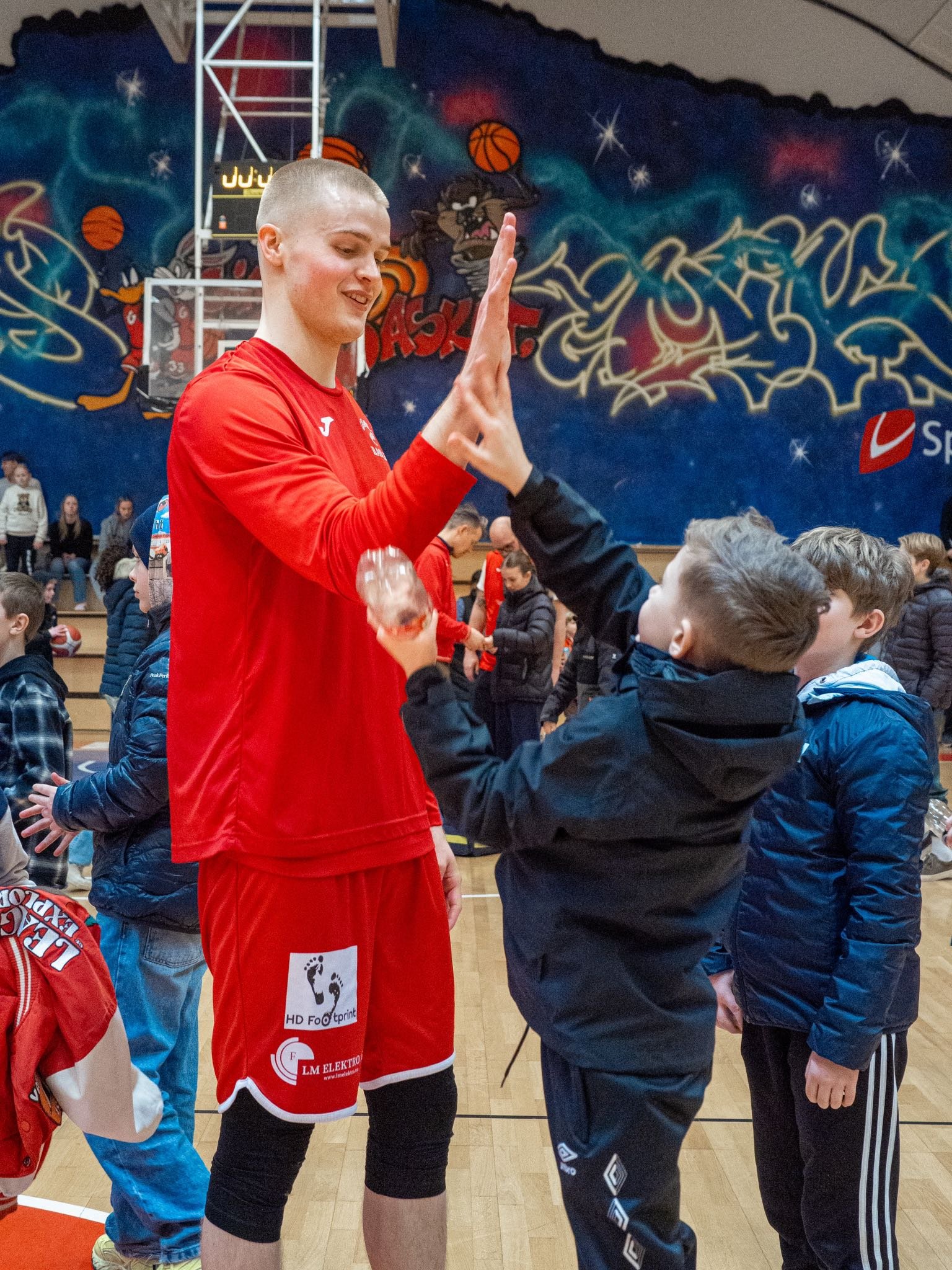
Together, Audun as head coach and Frederik as assistant, they led Gimle to the BLNO finals in their very first season as a coaching duo. Led by homegrown talents such as Magne Fivelstad and Lars Espe, excitement around Gimle surged. During that year, Frederik noticed something lacking in the stands; very few youth teams were attending BLNO games. The reason was simple — there were very few youth teams. So he set out to change that. Through school partnerships, recruitment visits, and a bold idea — using BLNO players themselves as the club’s most compelling ambassadors — Gimle ignited a wave of new participation.
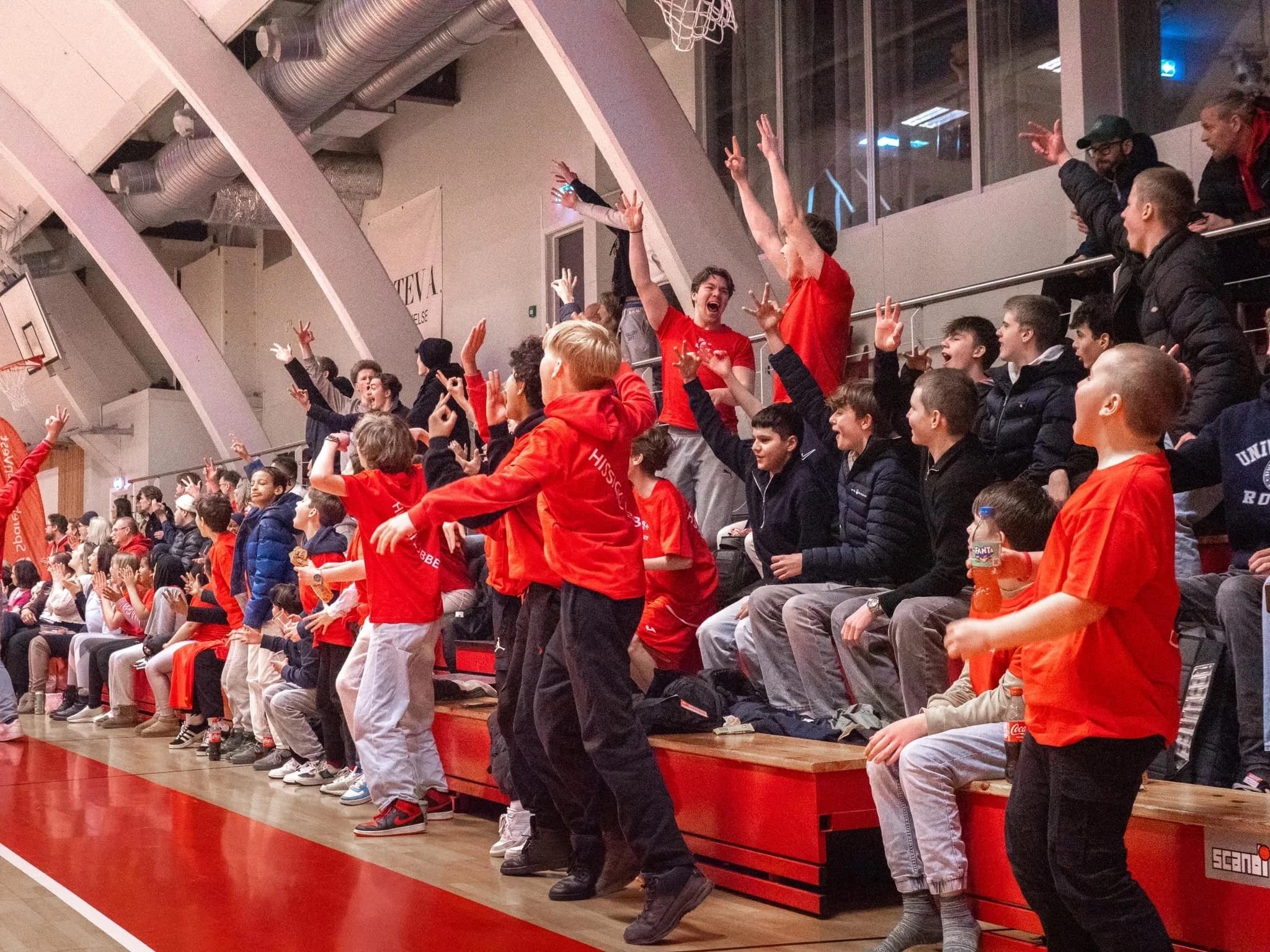
Gimle later hired Frederik as its general manager and soon In 2016, Gimle had three youth teams between U13 and U19. By the 2025–26 season, the club has twenty-seven.
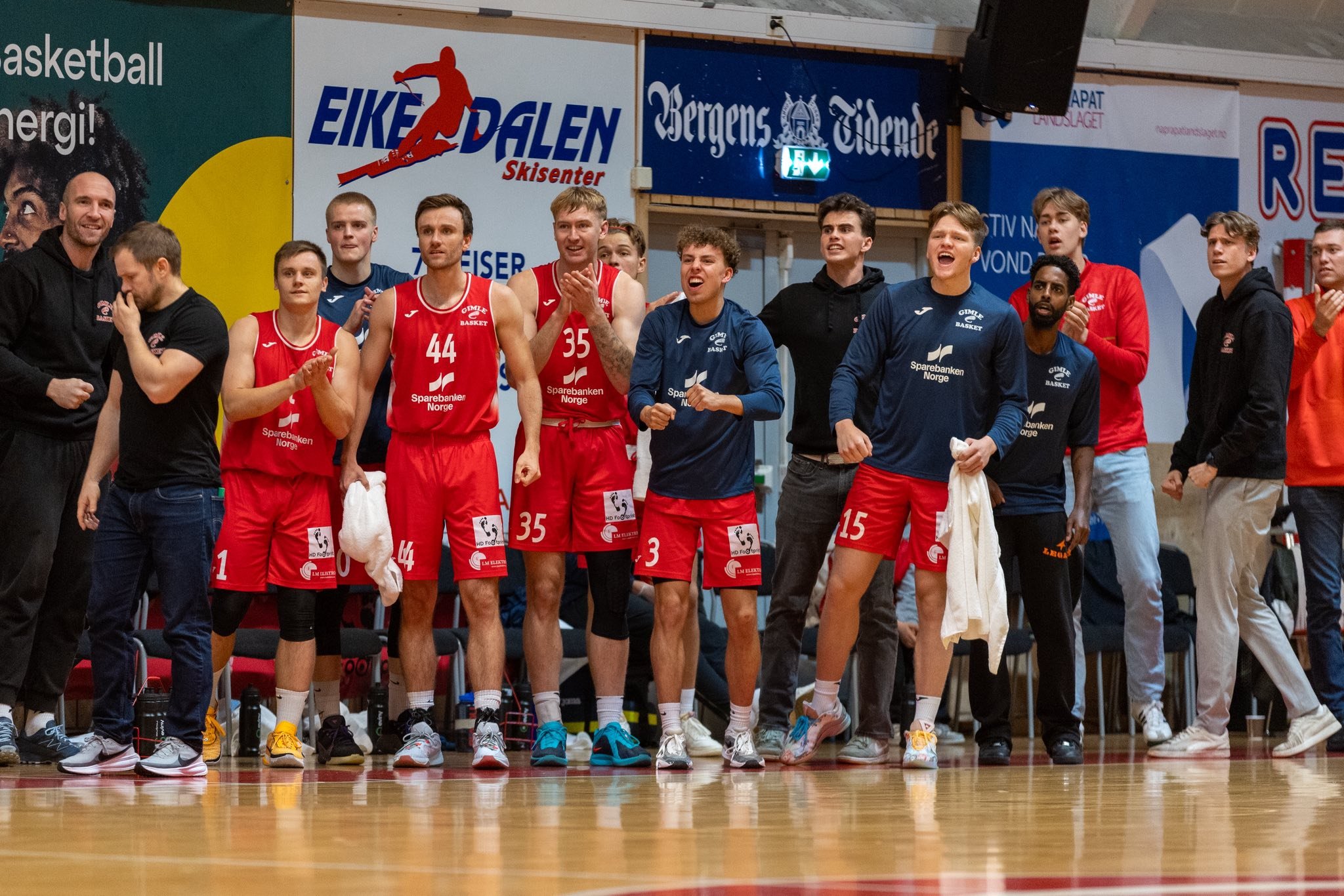
On the court, Audun continued to masterfully steward the men’s program. The club reached the BLNO finals again in 2019, and despite pandemic disruptions, Gimle was leading the league during both shortened seasons of 2020 and 2021. When competition resumed, the team claimed back-to-back national championships in 2022 and 2023 — built, as always, around Norwegian players at the core of the club’s identity.
A defining moment in this new era came in 2018 with the signing of Milovan Savic. The Montenegrin veteran, seeking a place to raise his family and put down roots, visited Bergen and immediately felt the authenticity of Gimle’s culture. He took a chance on the club — and the club took a chance on him. What followed became one of the most important partnerships in modern Norwegian basketball.
On the court, Milovan was instrumental in Gimle’s success. Off the court, he became even more impactful. As Head of Youth Basketball, he took charge of developing young players and mentoring the next generation of coaches. In 2025, he received Norwegian citizenship and debuted for the national team — a testament not only to his talent, but to his integration into the community he now calls home.
Today, at 38, Milovan remains central to the club — as a leader, a mentor, and an embodiment of Gimle’s values of belonging, respect, and long-term commitment.
A Culture Rooted in Values
Gimle’s culture is defined by values: Respect. Fellowship. Hard work.
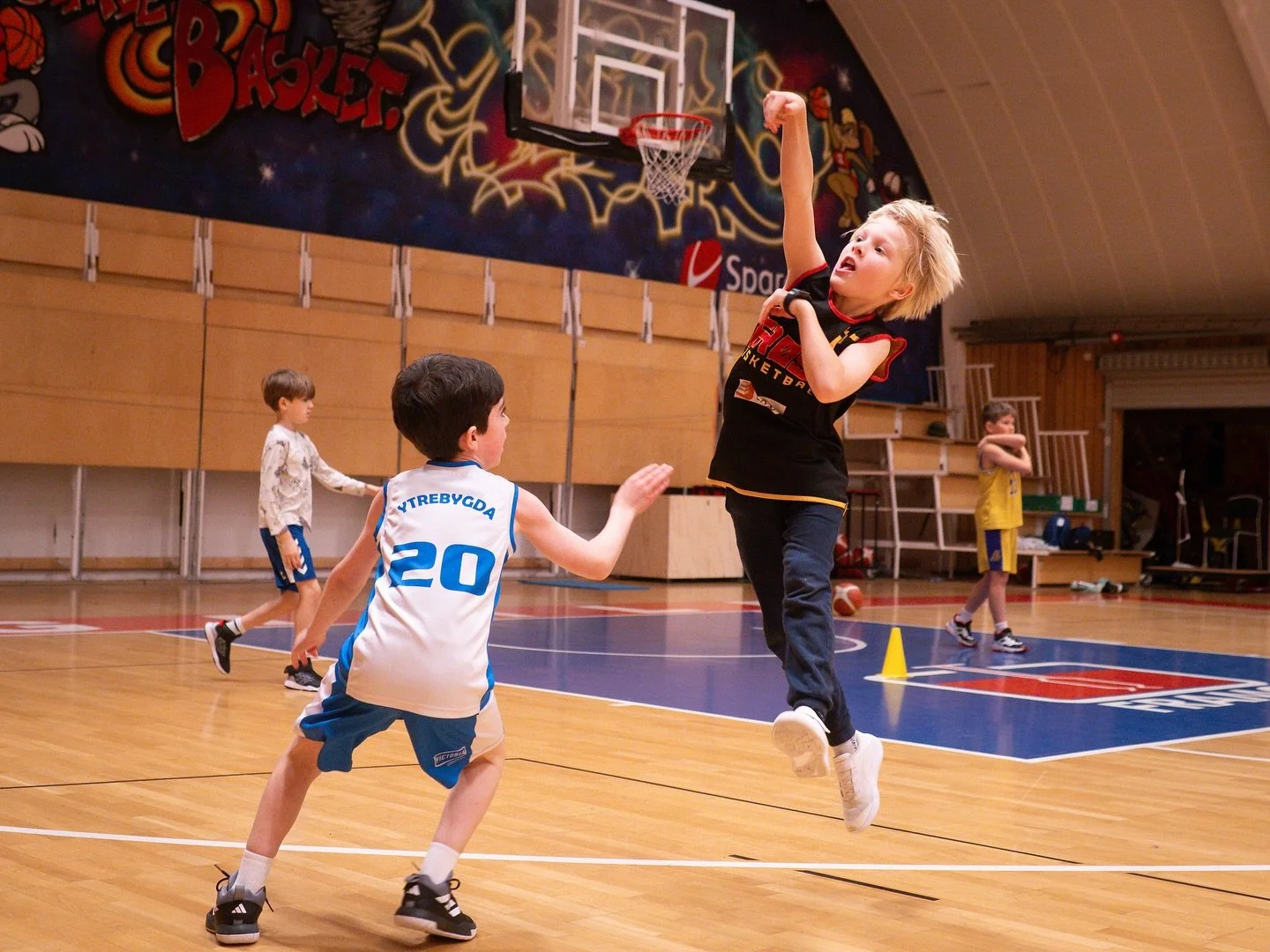
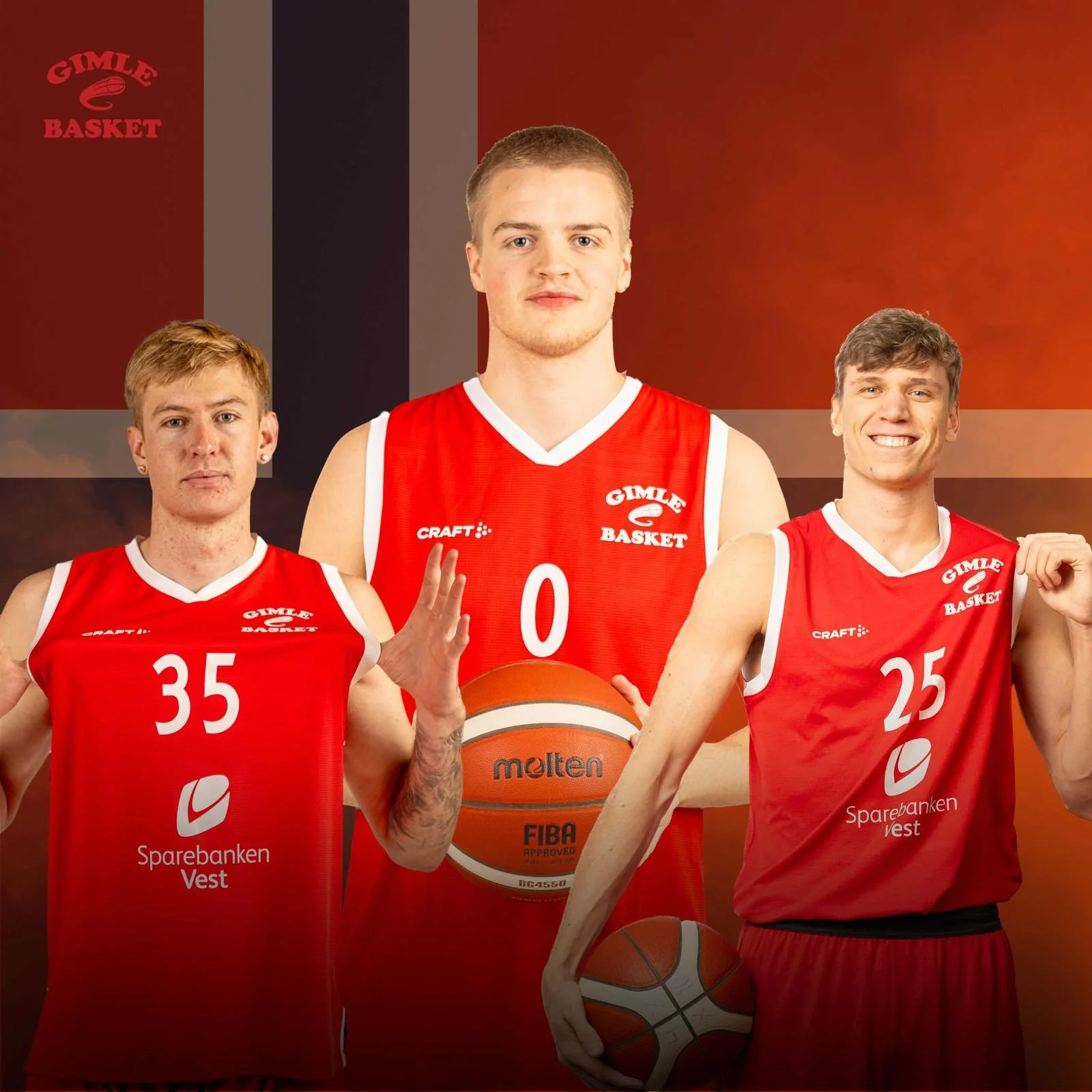
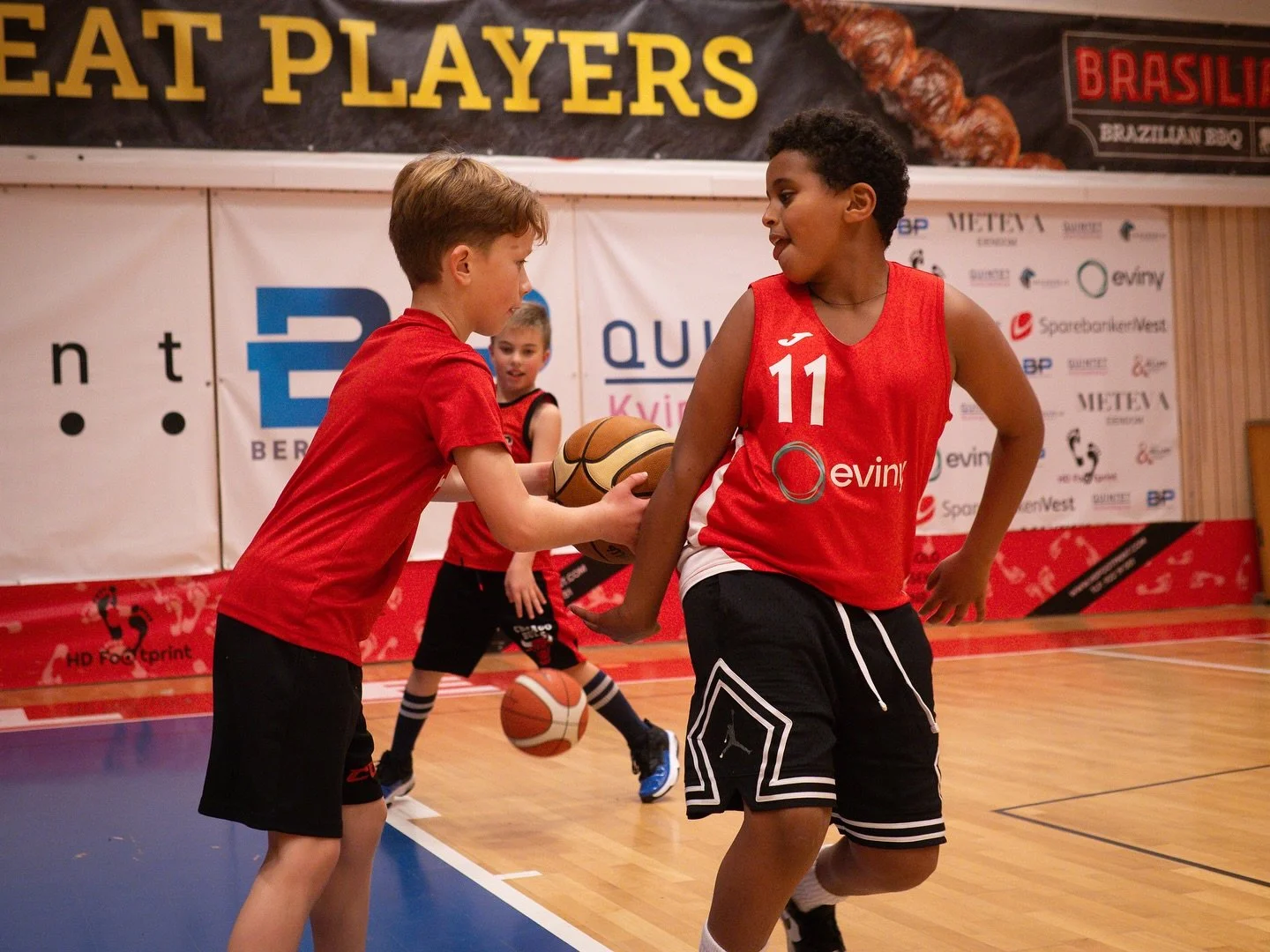
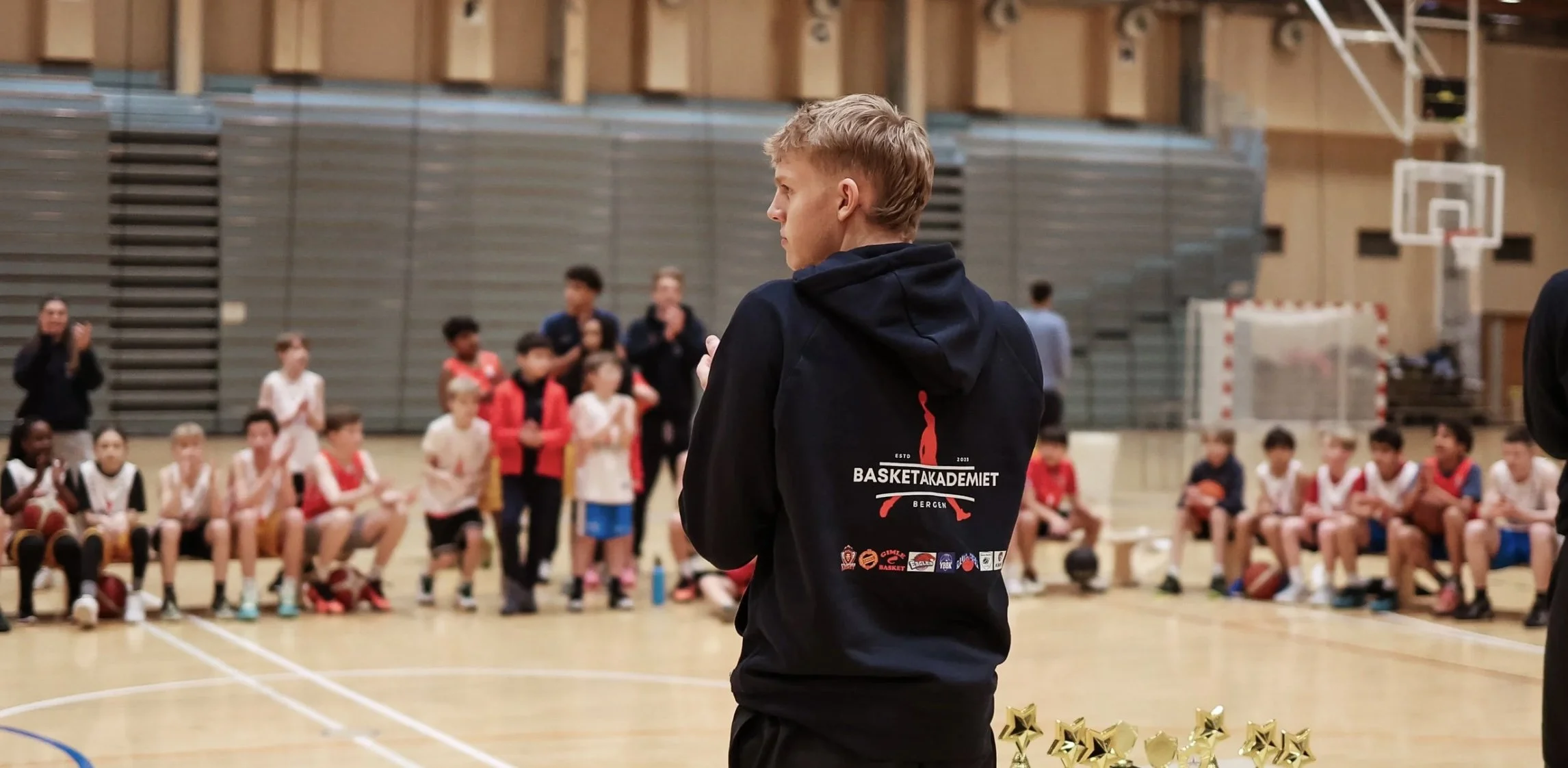
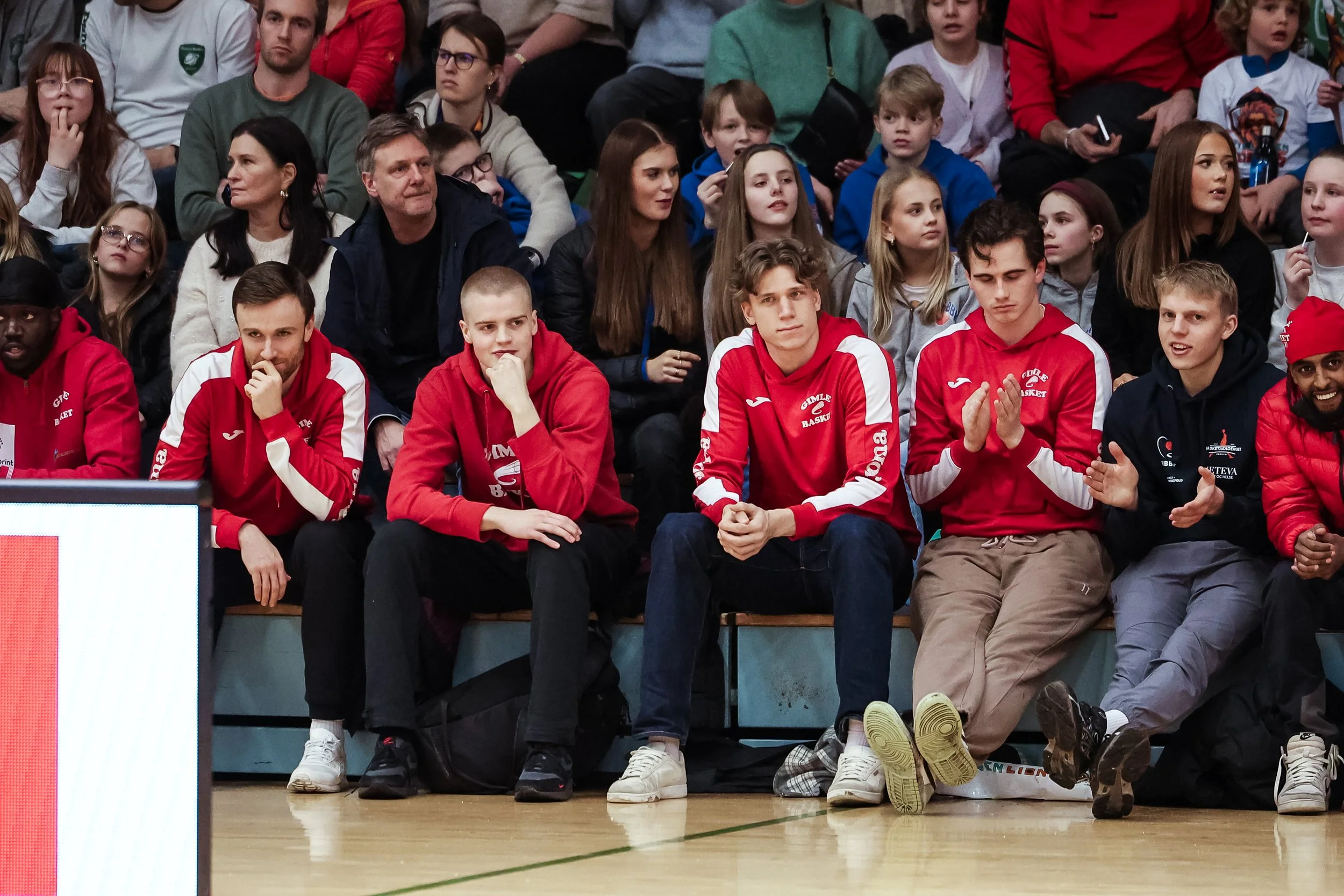
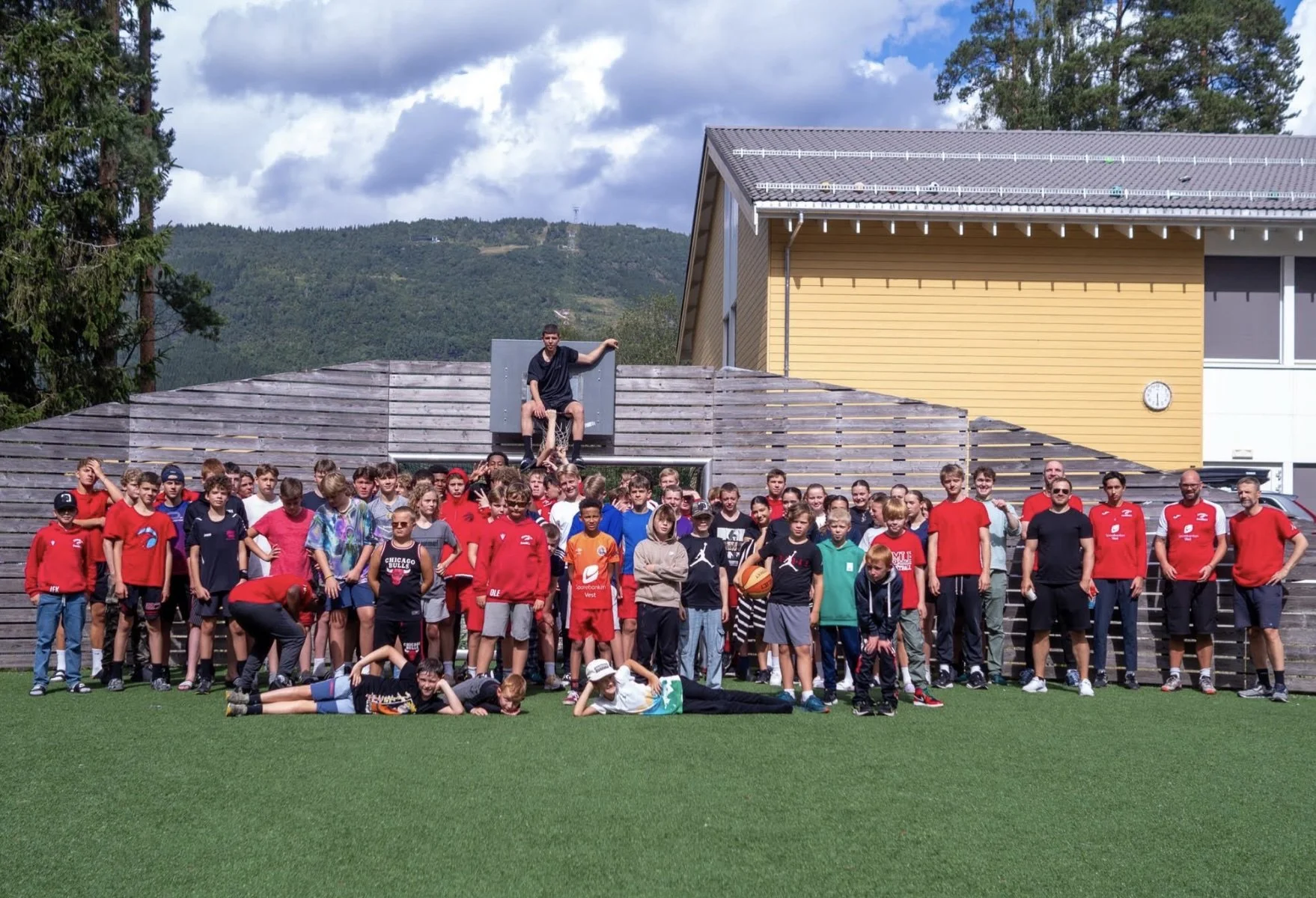
From the youngest child learning to dribble to the BLNO star wearing the Gimle jersey on national television, every member is part of one family. The relationships between age groups are central to Gimle’s philosophy — young players look up to the older ones, and the older ones, in turn, take responsibility as coaches, mentors, and role models.
This circle of mentorship ensures that the club’s culture is self-sustaining. As Milovan Savic, Audun Eskeland, and Frederik Gnatt oversee the development of young coaches, they are shaping not just athletes — but leaders, teachers, and citizens.
Families That Built Gimle
Gimle’s legacy is also a story of families — generations who built the club’s heart:
The Mekki Family — brothers Omar, Bachir, and Ali helped shape the club; Omar’s sons Remi and Daniel played and coached in Gimle.
The Lillehaug Family — father Johan supported daughter Maren’s rise and now mentors grandson Ludvig, continuing the tradition.
The Clemm Family — father Thomas, a former player and board member, formed a 2010-born team that became Norway’s best in its age group, winning the Copenhagen Invitational. That group now counts around 40 players, guided by Thomas’s inclusive philosophy. His sons Herman (2010) and Tobias (2008) are thriving — Tobias has even begun coaching at Midtun School. Thomas Clemm’s dedication has become a model for Gimle’s community spirit — proving what can be achieved when care and quality go hand-in-hand.
A Club with a Conscience
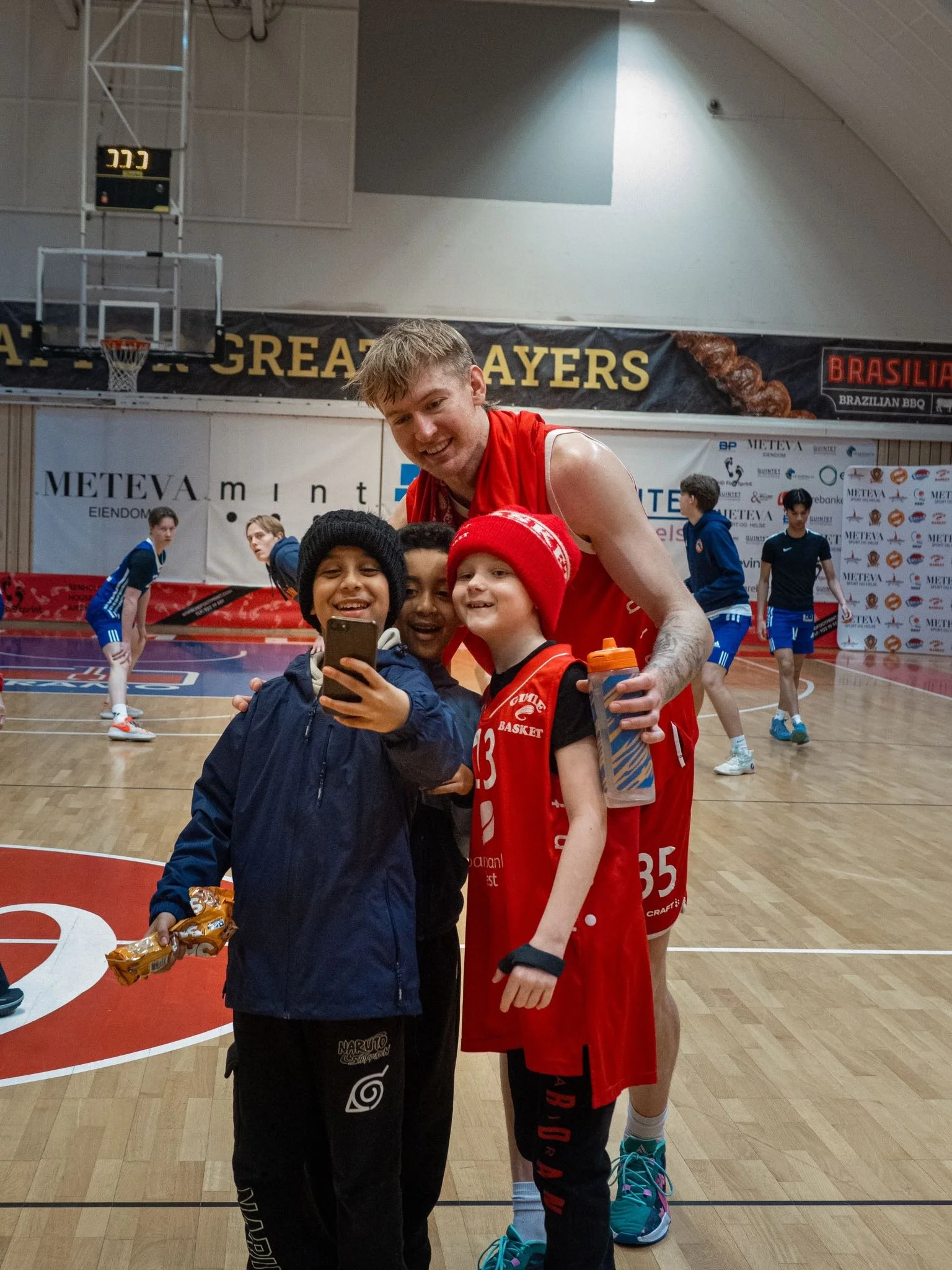
Gimle’s greatness extends far beyond competition. The club understands its social responsibility — to the youth of Bergen, to inclusion, and to community well-being. Its programs, many led by BLNO players, turn basketball into a bridge for belonging:
Åpen møteplass (Open Meeting Place): Mondays to Wednesdays, children come after school to do homework, eat, and play — guided by BLNO players. Open to everyone, not just club members.
Åpen hall (Open Gym): Several Saturday evenings each month, Gimle provides a safe, positive space for teens — a vital alternative to the streets.
LIM (Lekser, Idrett, Mat): A partnership between local clubs that combines school support, sports, and nourishment for children in the Slettebakken area.
These initiatives reflect Gimle’s belief that sport should serve society. Whether a child dreams of the BLNO or simply needs a place to belong, Gimlehallen offers both — structure and compassion, basketball and belonging.
Gimle also collaborates closely with local schools — Slettebakken, Midtun, Minde, Steinerskolen, Søråshøgda, and Skjold, offering basketball from 1st to 6th grade and a clear pathway into Gimlehallen.
From four youth teams in 2016 to twenty-seven in 2025, this growth shows the impact of Gimle’s mentorship model and its hands-on leadership. Young coaches receive continuous follow-up and education, ensuring that the club’s legacy of teaching and teamwork continues seamlessly.
The Future: A New Arena, a Shared Vision
With Omar Mekki, Frode Noss, and Kenneth Johnsen spearheading plans for a new arena within three years, Gimle stands on the brink of a new era.
The vision:
Triple membership within the first years of opening.
Become Bergen’s leading indoor sport, both in members and game attendance.
Host 2,000 spectators regularly at home games.
Expand to European competition, and be an example for girls’ basketball nationally.
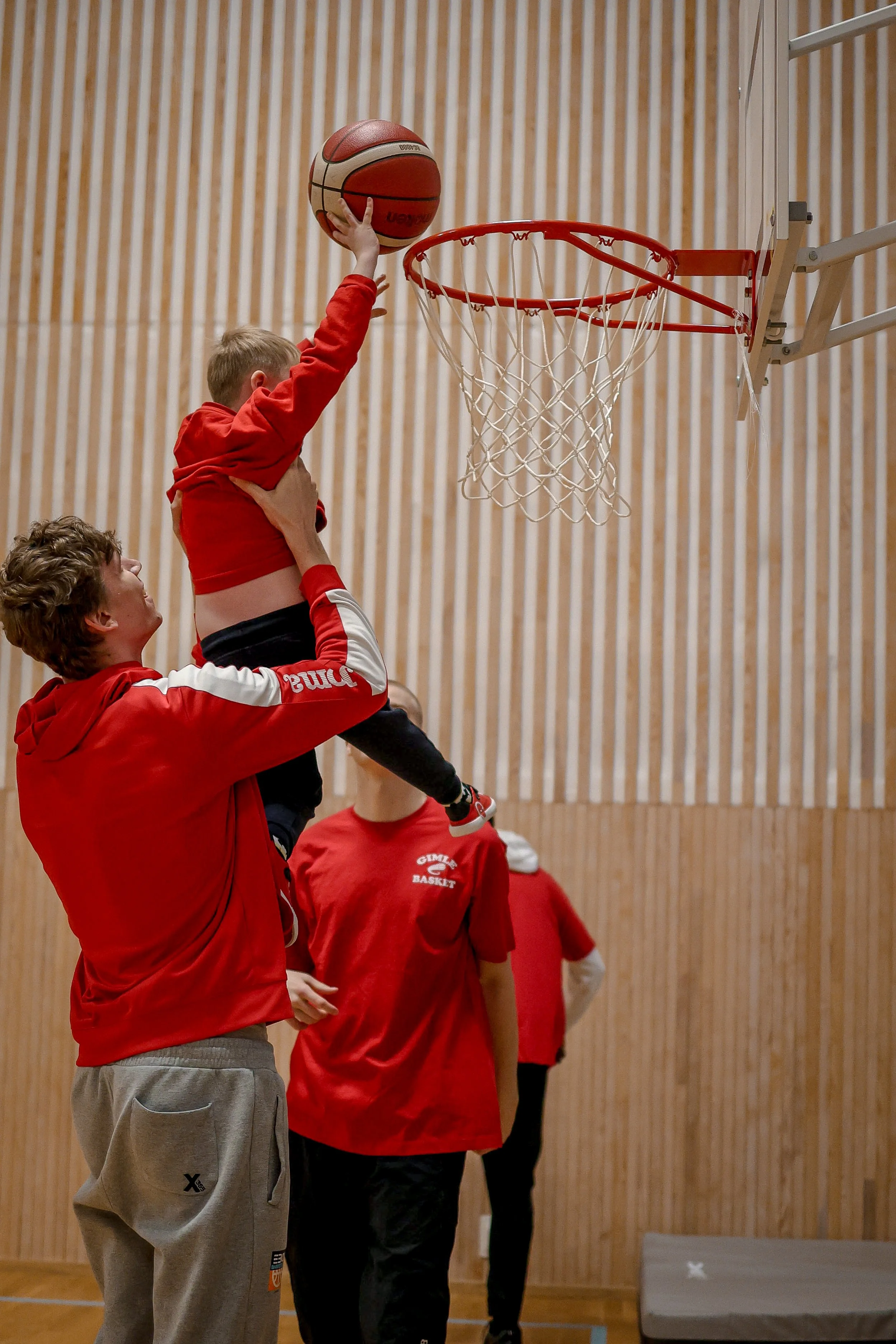
Even as Gimle grows, one promise stands firm: the Gimle Culture will never change. Every six-year-old will continue to share the same short distance to the BLNO stars — and those stars will remain grounded, present, and deeply involved in the community that raised them.
A Legacy Beyond the Game
Gimle Basketball Club’s story is about families who gave their time and players who learned that greatness begins with gratitude.
For over fifty years, Gimle has stood for respect, fellowship, and hard work — a home where every child can find a place, every player can find purpose, and every victory is shared.
In the words of those who built it:
“If you can’t find your kids at home — they’re probably at Gimlehallen.”