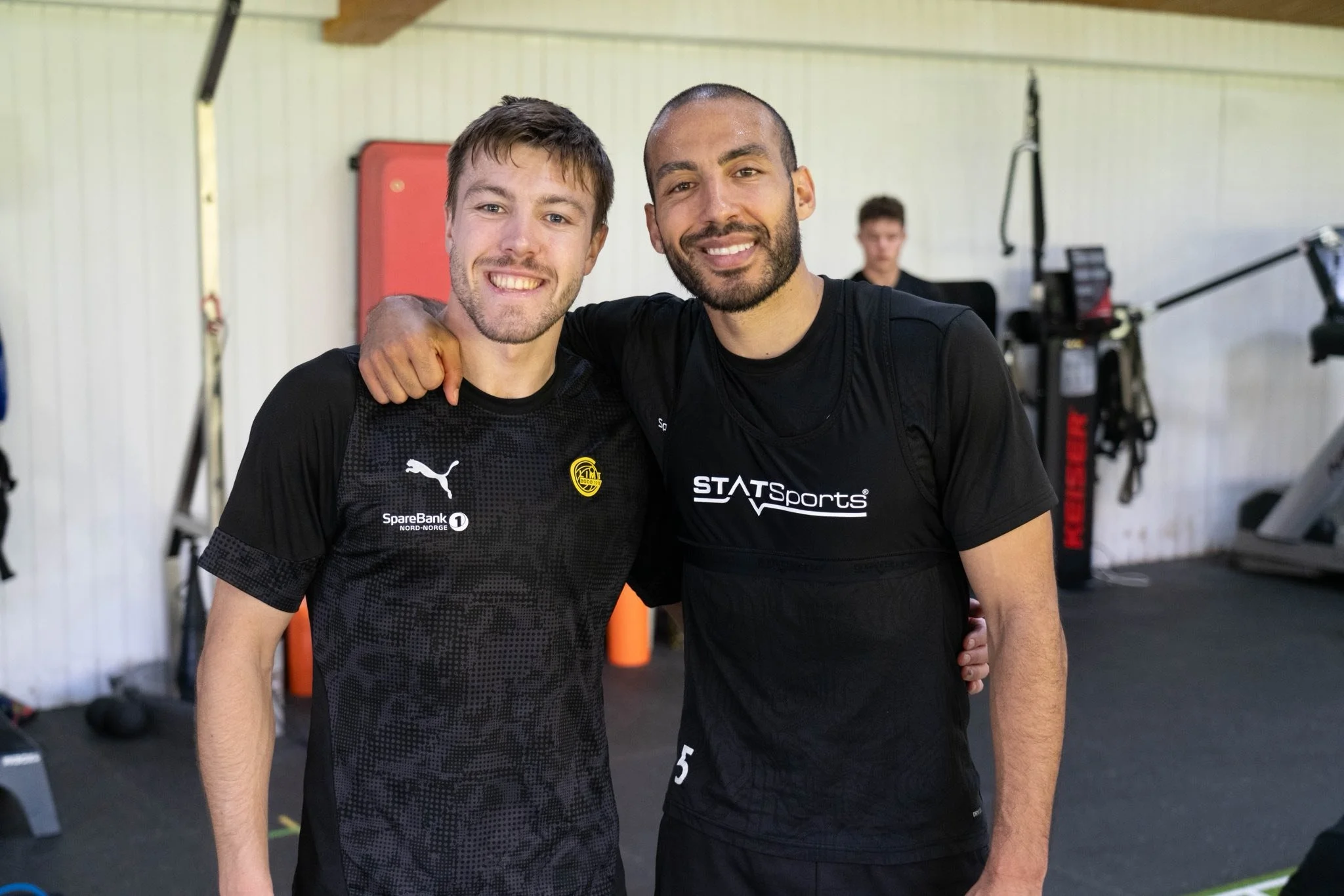
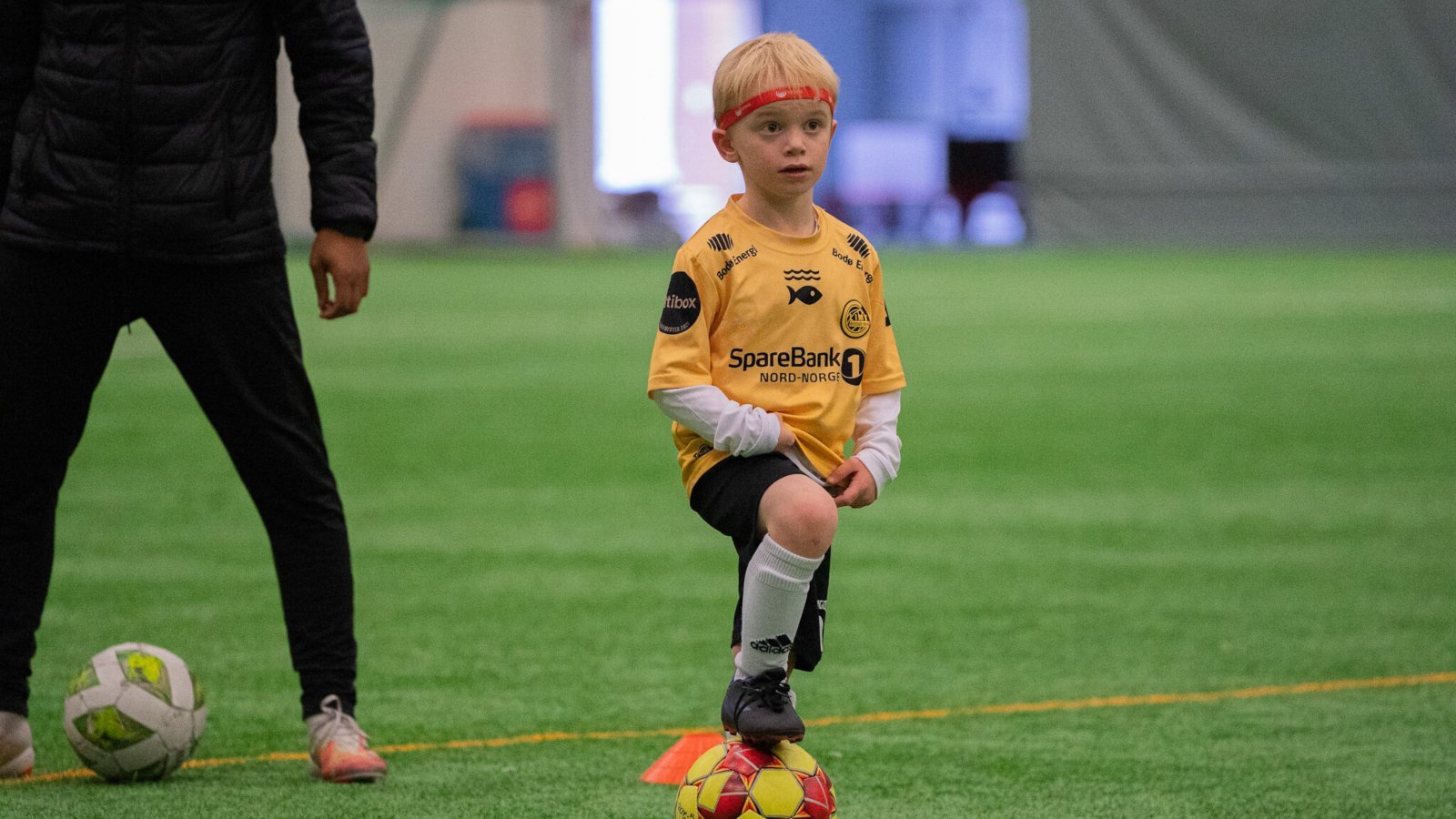
Bodø/Glimt: When Football Becomes a Symbol of Social Capital
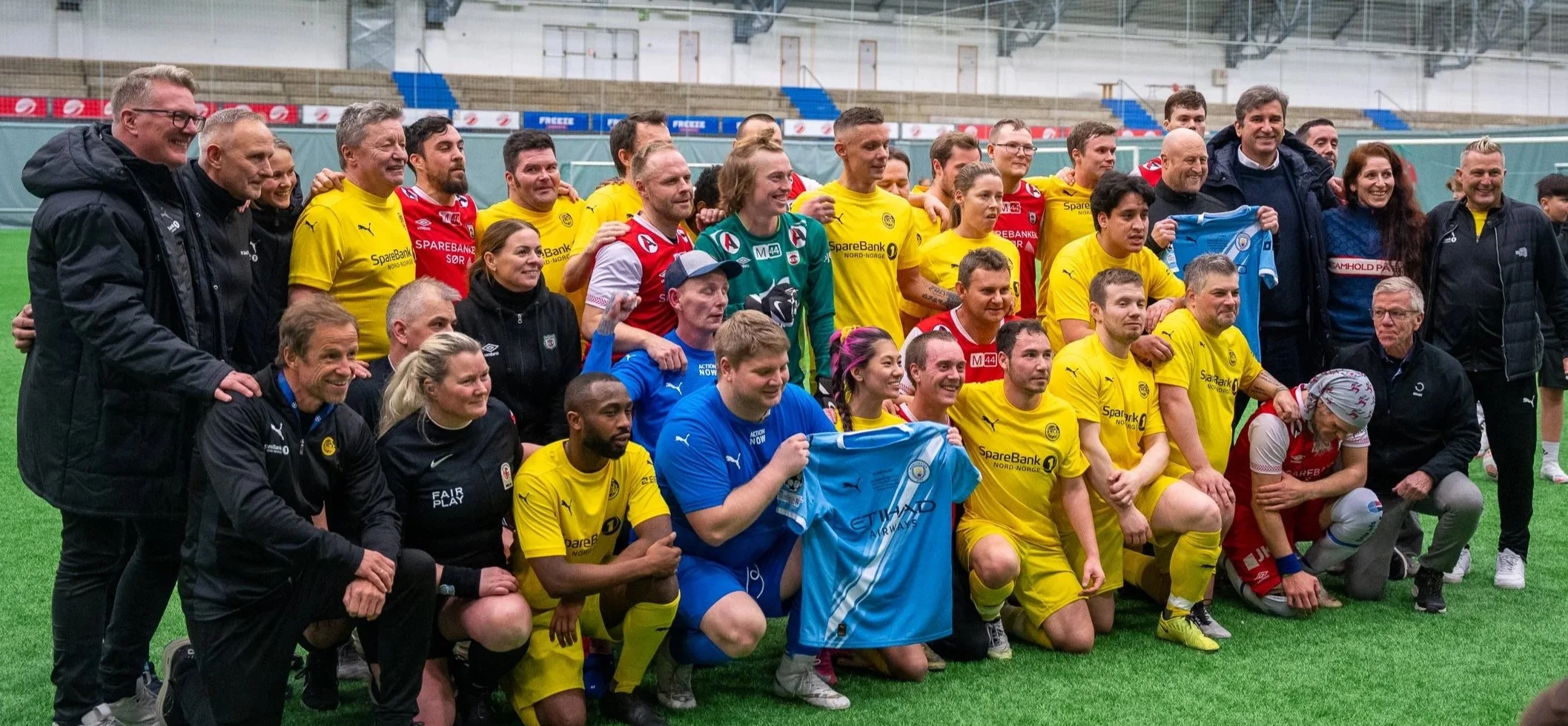
In football, success is typically measured in trophies, league positions, and player popularity. In Bodø, Norway just 200 miles north of the Arctic Circle, Bodø/Glimt has chosen a different scale. There, success is not spoken of in the language of results, but in the language of social capital and community service. In doing so, the club has successfully redefined what elite sport can represent: a living model of social capital, where development replaces dominance, and belonging replaces pressure.
Bodø/Glimt’s story is about redefining how performance is achieved. Social capital creates engagement and so much more.
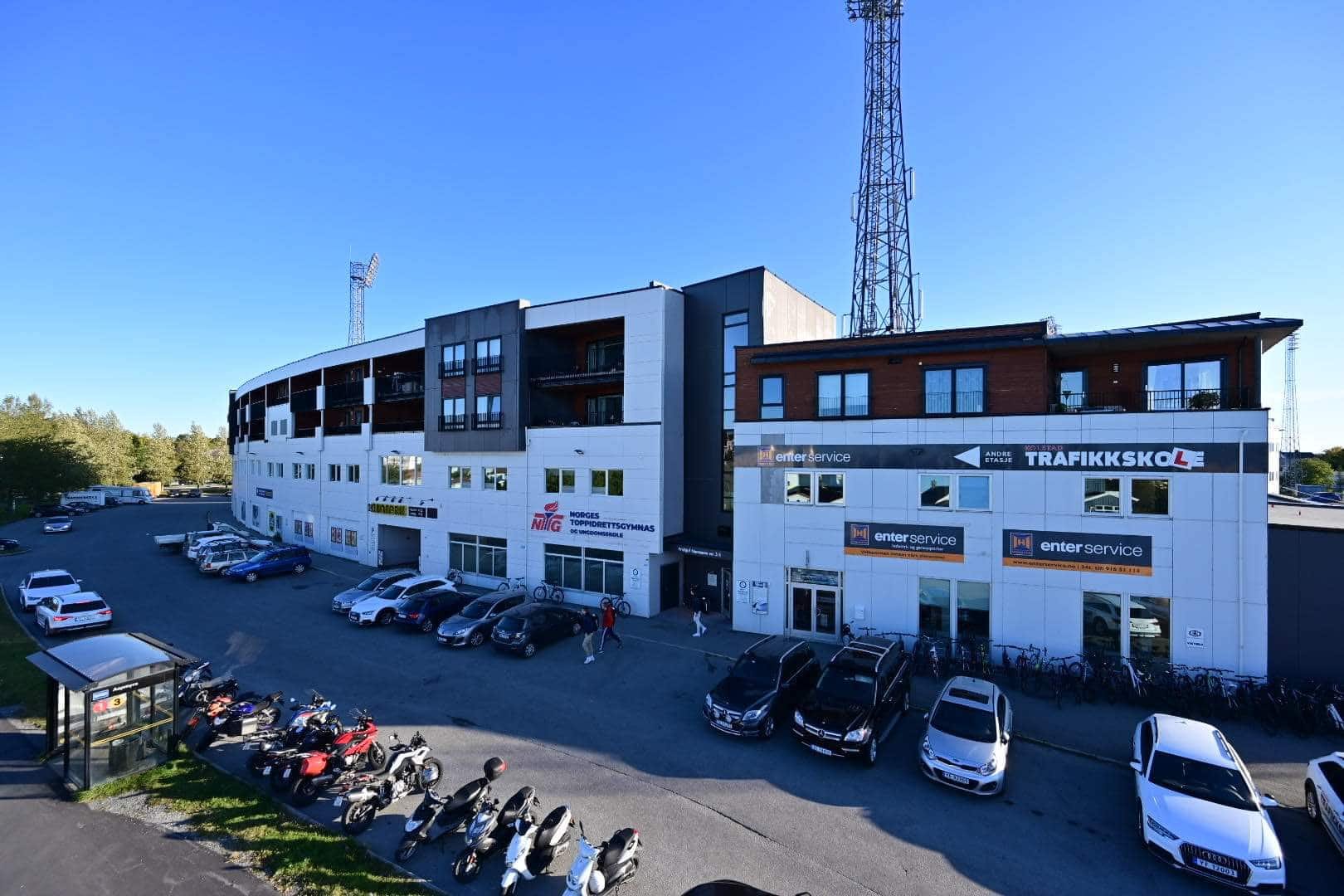
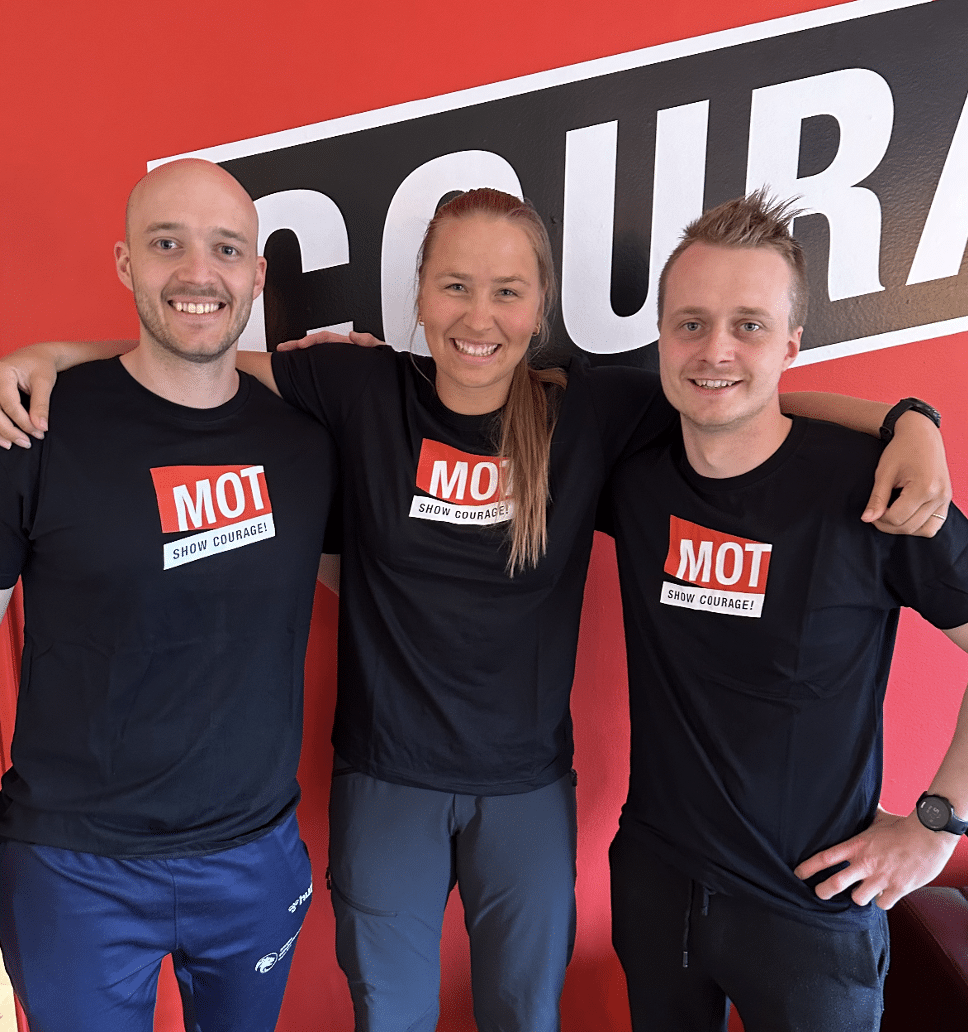
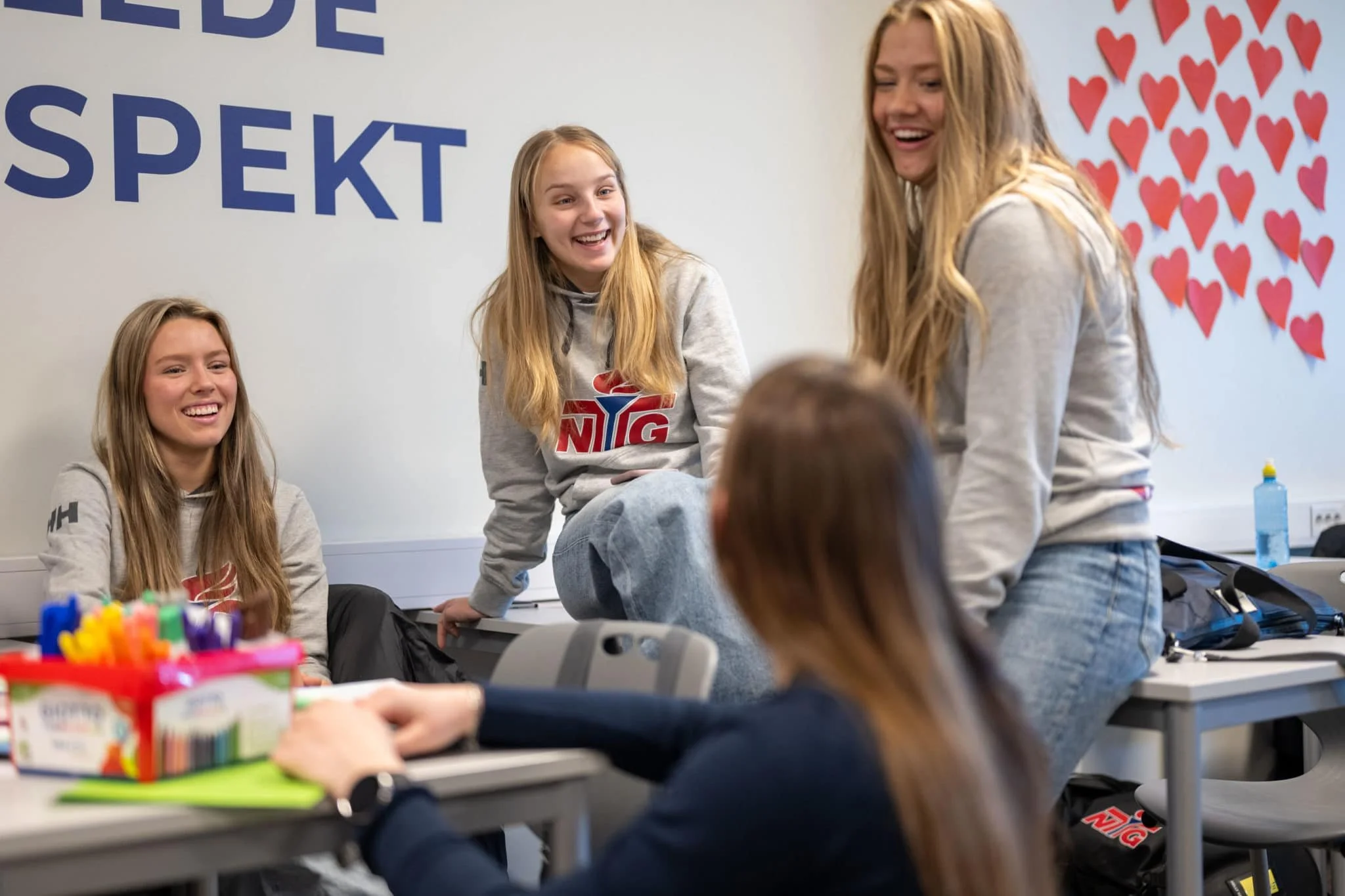
This philosophy extends naturally into education through Norges Toppidrettsgymnas (NTG) Bodø and its close collaboration with Bodø/Glimt. At NTG Bodø, social capital, well-being, and development are priorities. Students are consistently supported by staff, teachers, and coaches who emphasize that success is not defined by athletic performance alone, but by developing the whole person grounded in strong values, belonging, and social responsibility. NTG Bodø is proud to have implemented Johann Olav Koss’ MOT as part of their curriculum.
The student services at NTG Bodø exist to support young athletes through both small and significant challenges related to academics, personal life, and the realities of moving away from home. Provided mental training is a central pillar for students serving as for performance, along with a long-term investment in identity, self-worth, and resilience.
NTG Bodø is unique as it is the only NTG campus with a full-time employed environmental therapist—a commitment they are deeply proud of, and one they firmly believe should be standard across all NTG schools. Many students are far away from home living independently for the very first time. NTG Bodø takes pride in securing a safe, stable, and predictable living/learning environment for them.
The establishment of NTG Bodø was made possible through the pioneering vision of the Berg family and NTG Bodø Managing Director / Head of Elite Sport, Anette Nybø, whose commitment to education, sports, and community laid the foundation to what it is today. Together, NTG Bodø and Bodø/Glimt stand as a united example of true community builders and role models, using sport as a vehicle for belonging, and long-term social value, a tangible result of social capital in action.
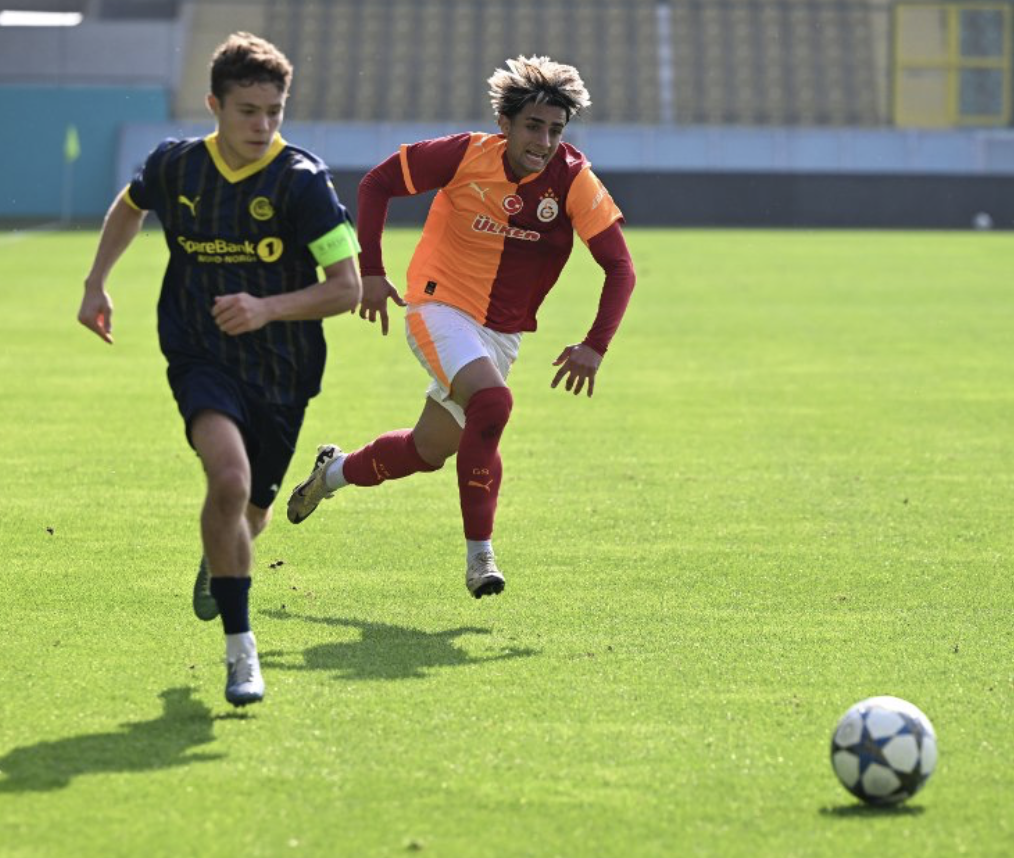
Until 2018, Bodø/Glimt resembled many ambitious top clubs that evolved around performance-driven, result-oriented, and a winning vocabulary. Then came an unconventional decision that would alter the club’s trajectory. Glimt hired a mental coach who knew nothing about football.
Bjørn Mannsverk came not from sport, but from the military. As a former team leader for Norwegian F-16 fighter pilots stationed at Bodø Air Base, his expertise lay in cognitive therapy, mindfulness, and structured one-to-one dialogue, all methods influenced by Bergen-born psychiatrist Ingvard Wilhelmsen. Among fighter pilots, these tools had proven invaluable in achieving stable, sustainable high performance under extreme pressure.
When Mannsverk introduced this approach to Glimt’s men’s first team in 2018, his observations were striking. Constant emphasis on results, points, and winning mentality created stress rather than strength. During a training camp in early 2019, players and staff reached a collective realization that would reshape the club’s identity. Glimt revised its core values from:
Performance, Winning Mentality, Loyalty, Unity
to
Performance, Development, Loyalty, Unity — PULS
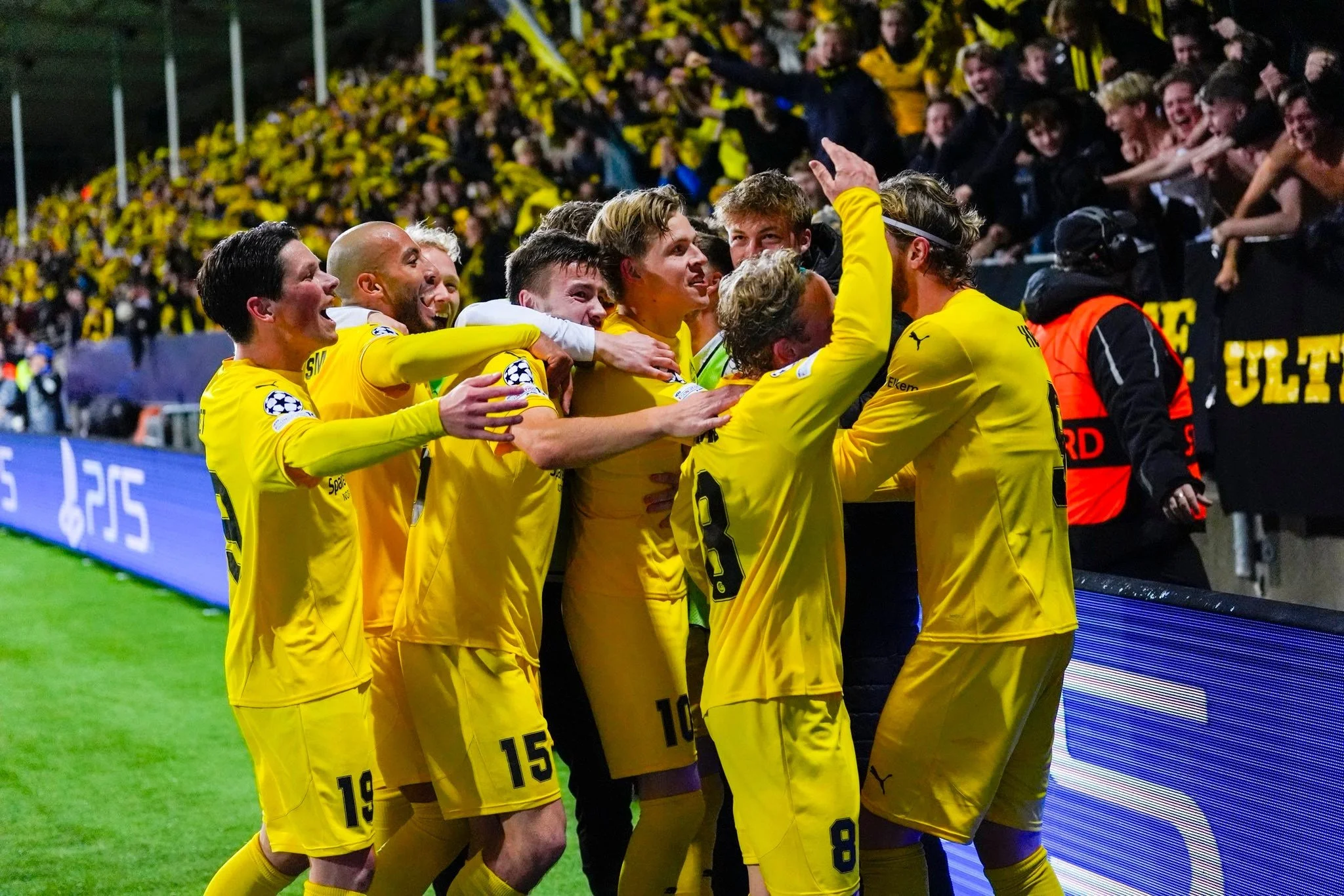
The change was enforced with discipline. For months, Head Coach, Kjetil Knudsen was closely followed by team manager Håvard Sakariassen. Whenever the language drifted toward “results” or “victory,” it was immediately corrected. The effect was positive. By talking less about winning, players became more balanced—on the pitch and in life. Stress levels dropped. Trust deepened. Relationships strengthened. Performance followed naturally.
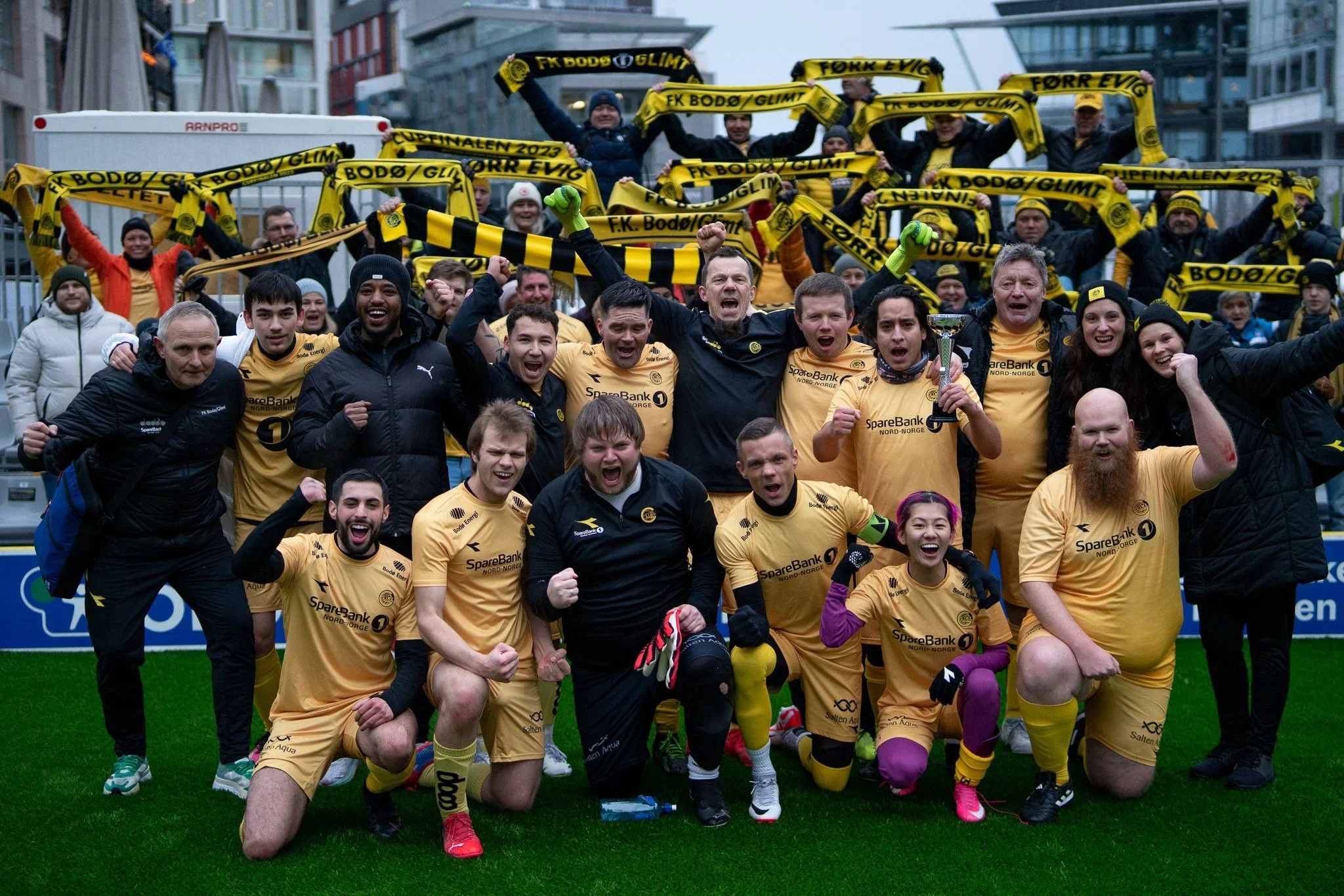
In 2021, a community football initiative run by the Church City Mission—Glimtvis—was shut down due to municipal budget cuts. The players and coach were invited into Bodø/Glimt. What surprised the club was not the footballing ability, but the cultural alignment. Glimtvis had never spoken about results. They spoke about development, care, and belonging—the same values guiding the men’s first team. Two football environments, at opposite ends of the performance spectrum, were living by the same principles.
In 2022, this alignment was formalized. Glimt revised its governance document, “Our Way,”adopting PULS as the value foundation for the entire club. Sustainability and development became the lens through which every activity would be viewed.
A Dynasty Rooted in Community: The Berg Family
To speak of Bodø/Glimt is also to speak of the inspiring Berg family, an extraordinary three-generation dynasty that embodies integrity, loyalty, and social capital. Five family members have played for the club, three of whom represented Norway at international level. In 2021, the family collectively received the Kniksen Prize of Honor for their contributions to Norwegian football.
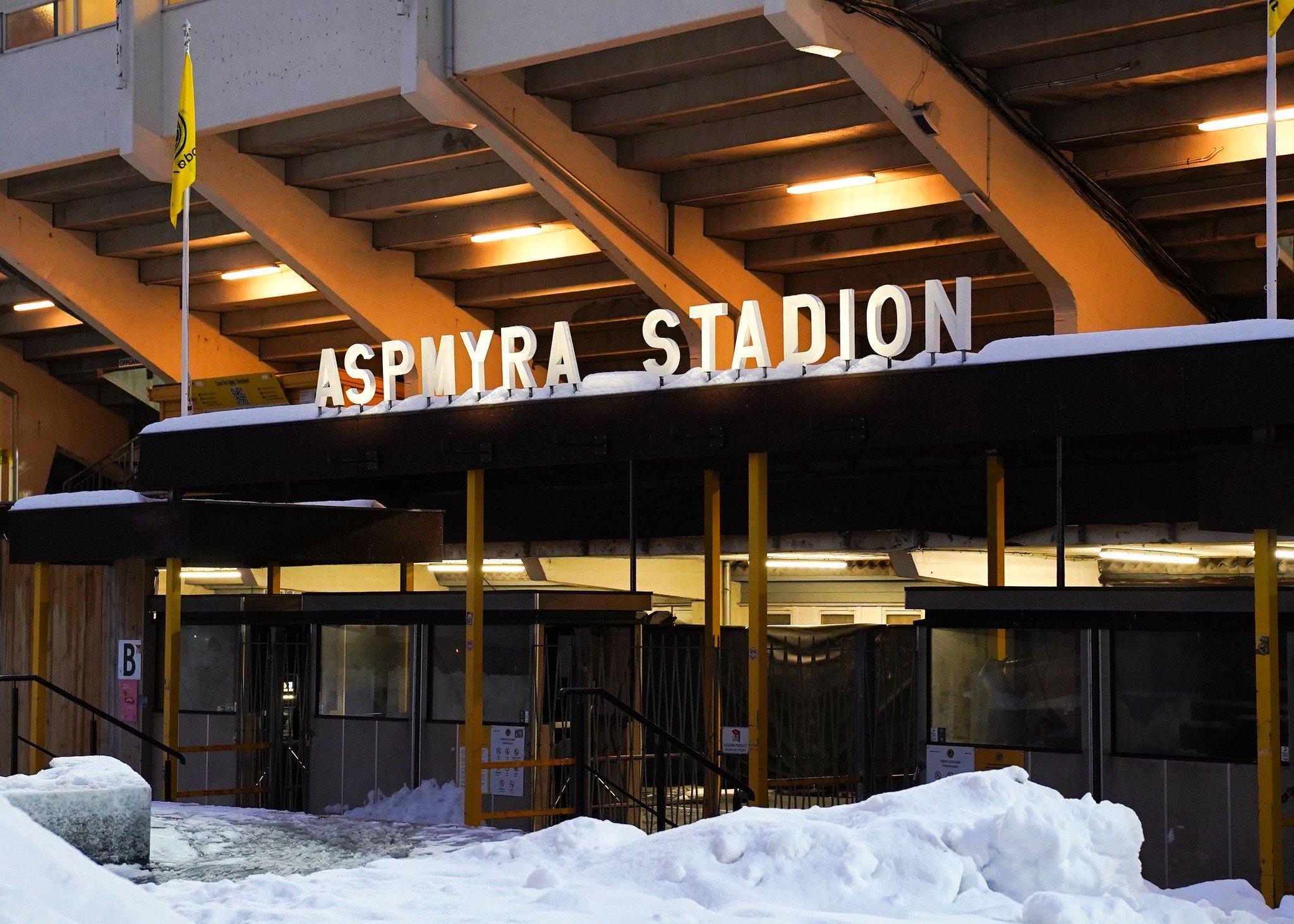
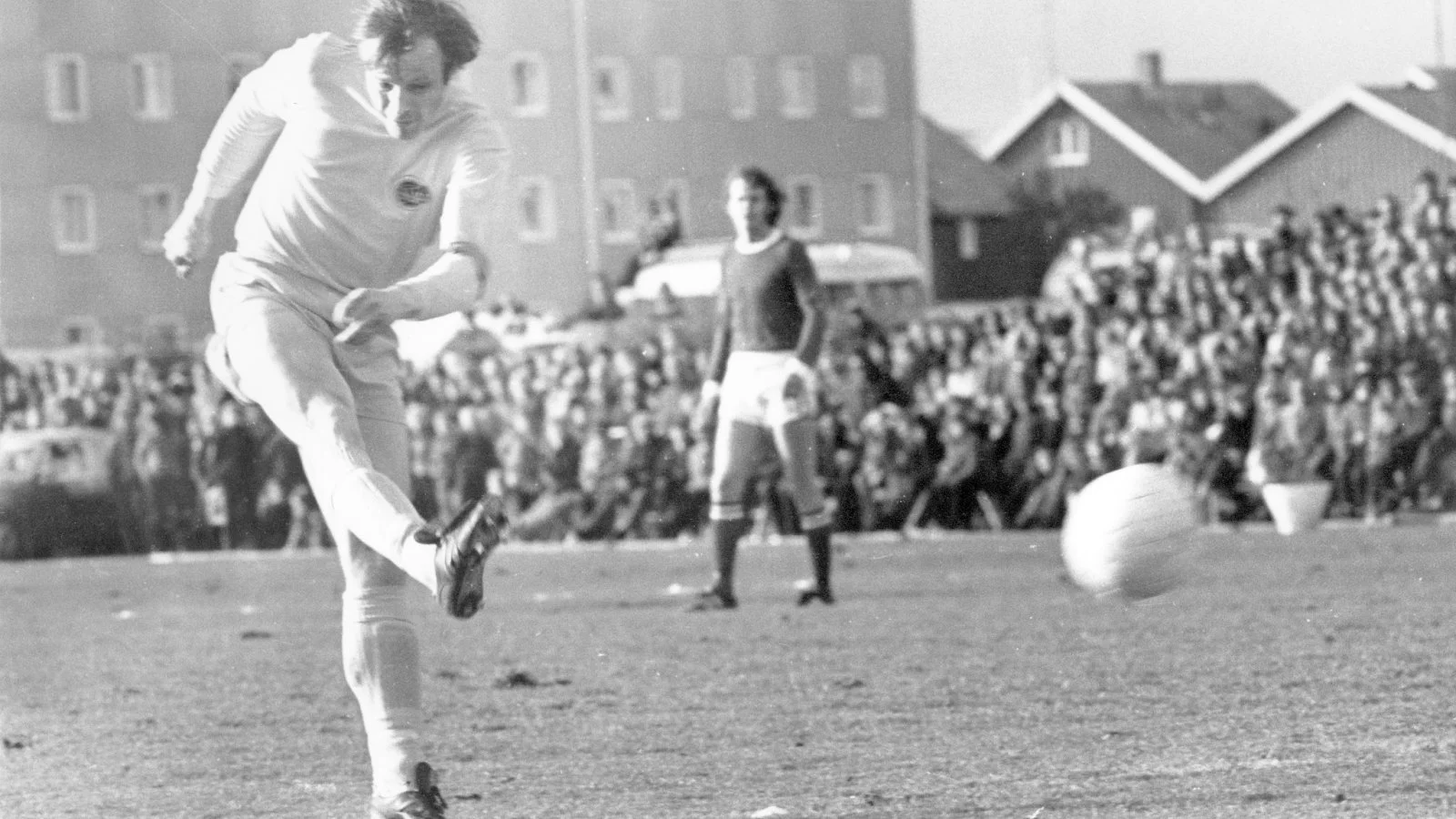
At the center stands Harald “Dutte” Berg, the club patriarch and Norwegian cultural icon, immortalized in statue form outside Aspmyra Stadion. A midfield maestro of the 1970s, he led Glimt to the historic 1975 Norwegian Cup victory, a culturally significant triumph for Northern Norway, and later served as head coach.
His sons, Ørjan Berg and Runar Berg, continued the legacy. Ørjan, a former national team midfielder, now serves as Bodø/Glimt’s Head of the Community Departure. Runar became a symbol of loyalty during the club’s darkest financial period in 2009, famously playing without pay and organizing fundraising efforts to keep Glimt alive.
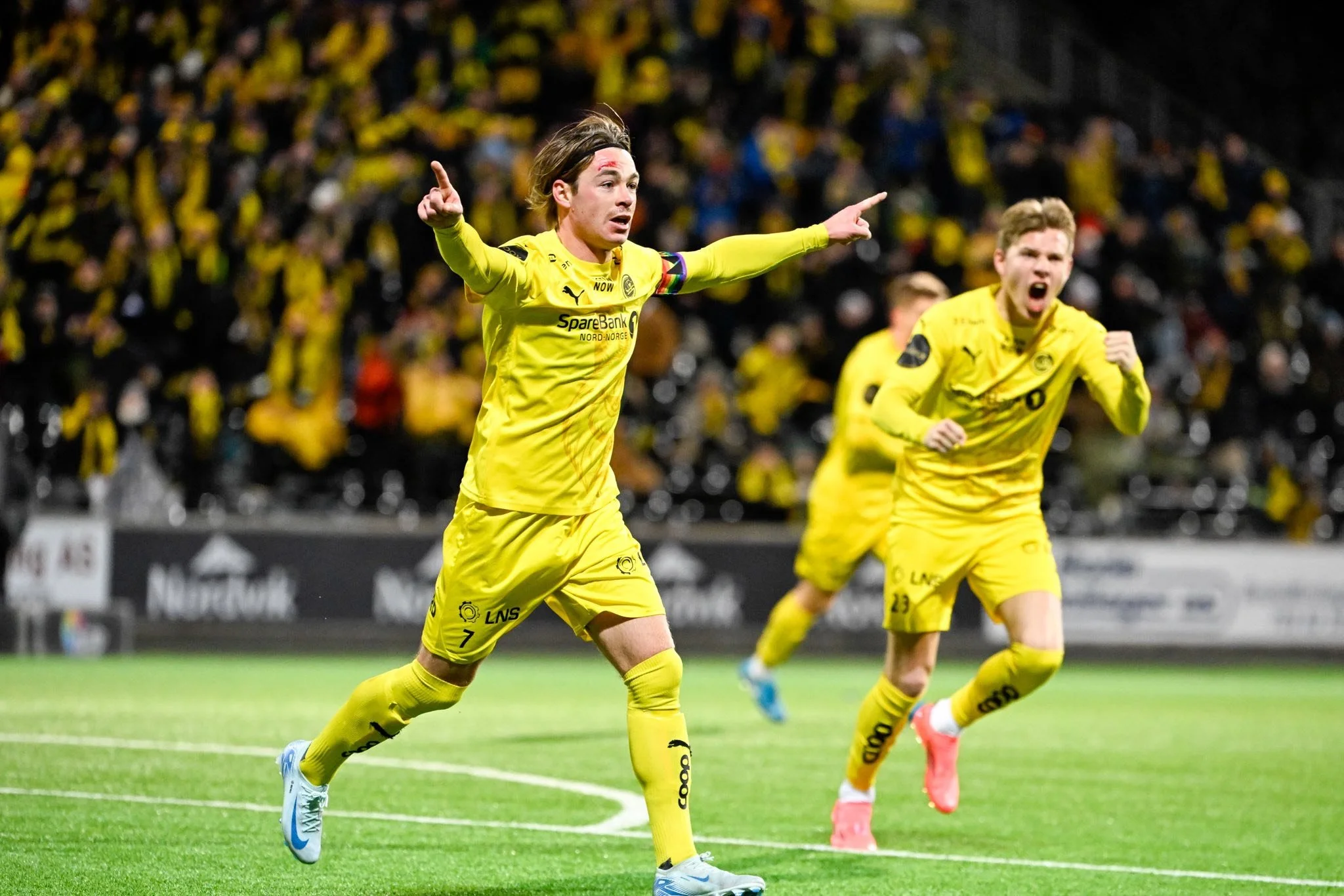
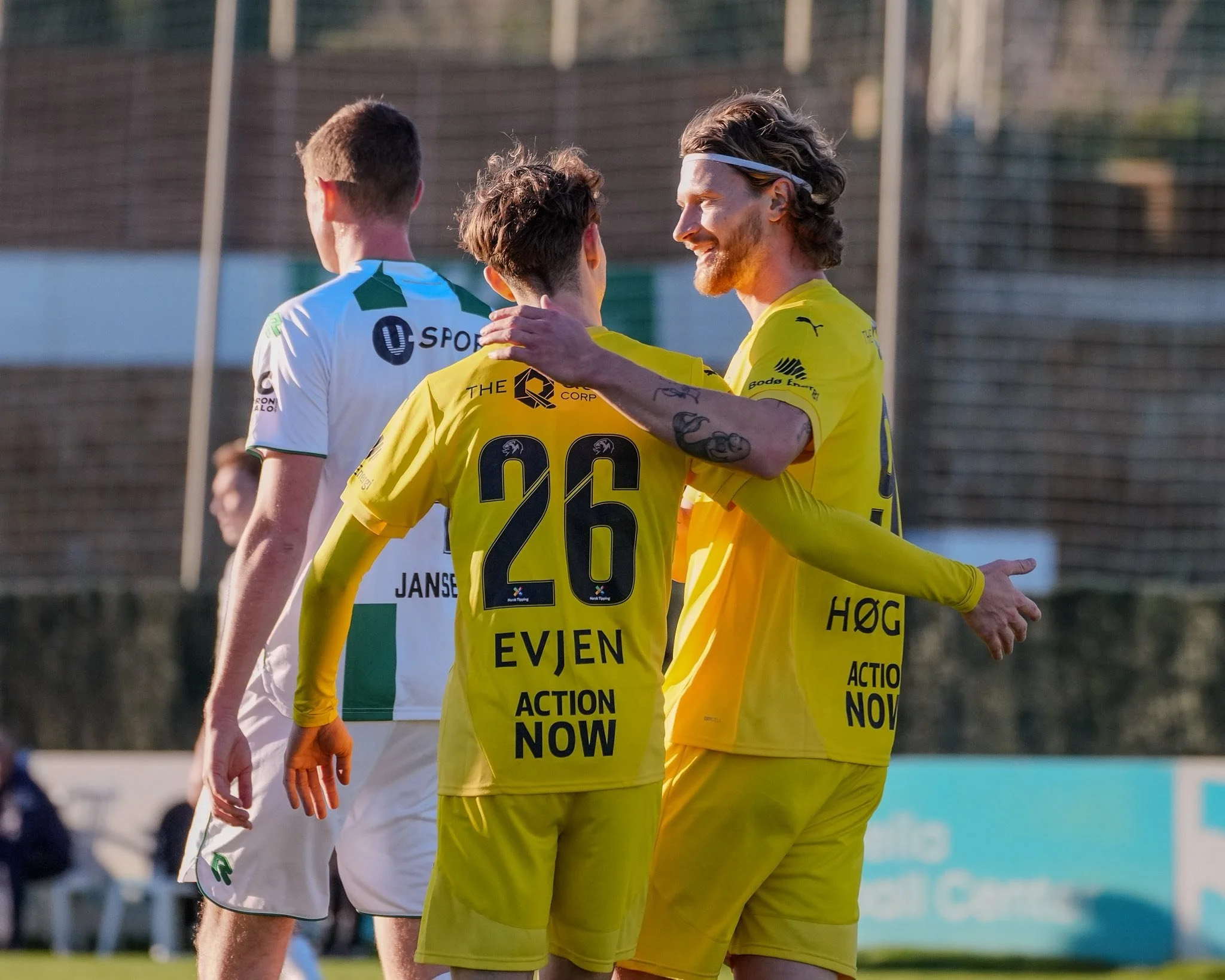
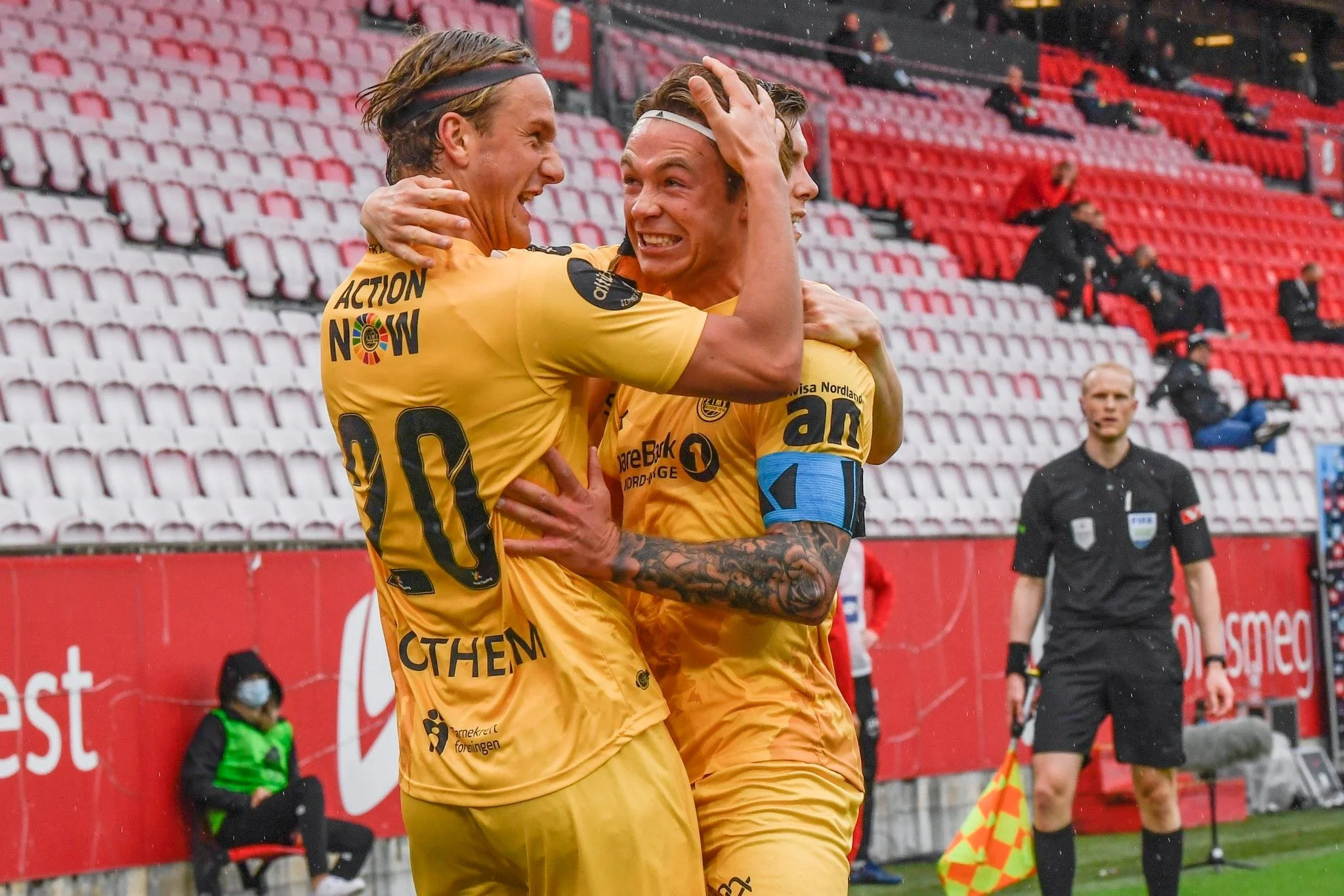
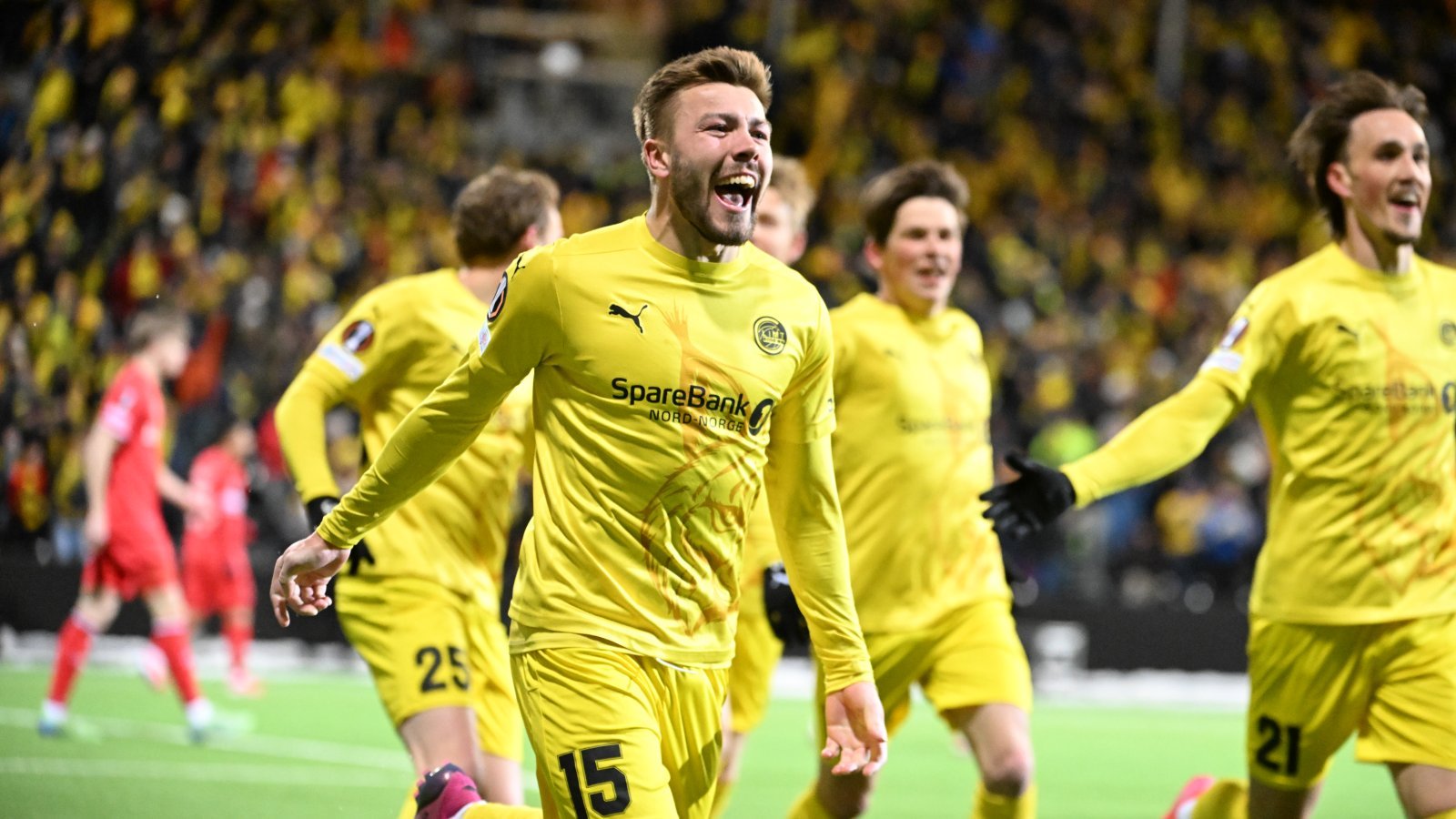
Today, the torch is carried by Patrick Berg, Ørjan’s son and the club captain—leader of a team that has won four of the last five Eliteserien titles and reintroduced Norwegian football to Europe. FrodeThomassen, visionary and General Manager of Bodø/Glimt since 2017, has built the modern Bodø/Glimt as ONE club with ONE board and ONE administration. Commercial revenues are distributed across the entire club, ensuring that children and youth are supported, and that the Street Team and the Star Team are able to travel.
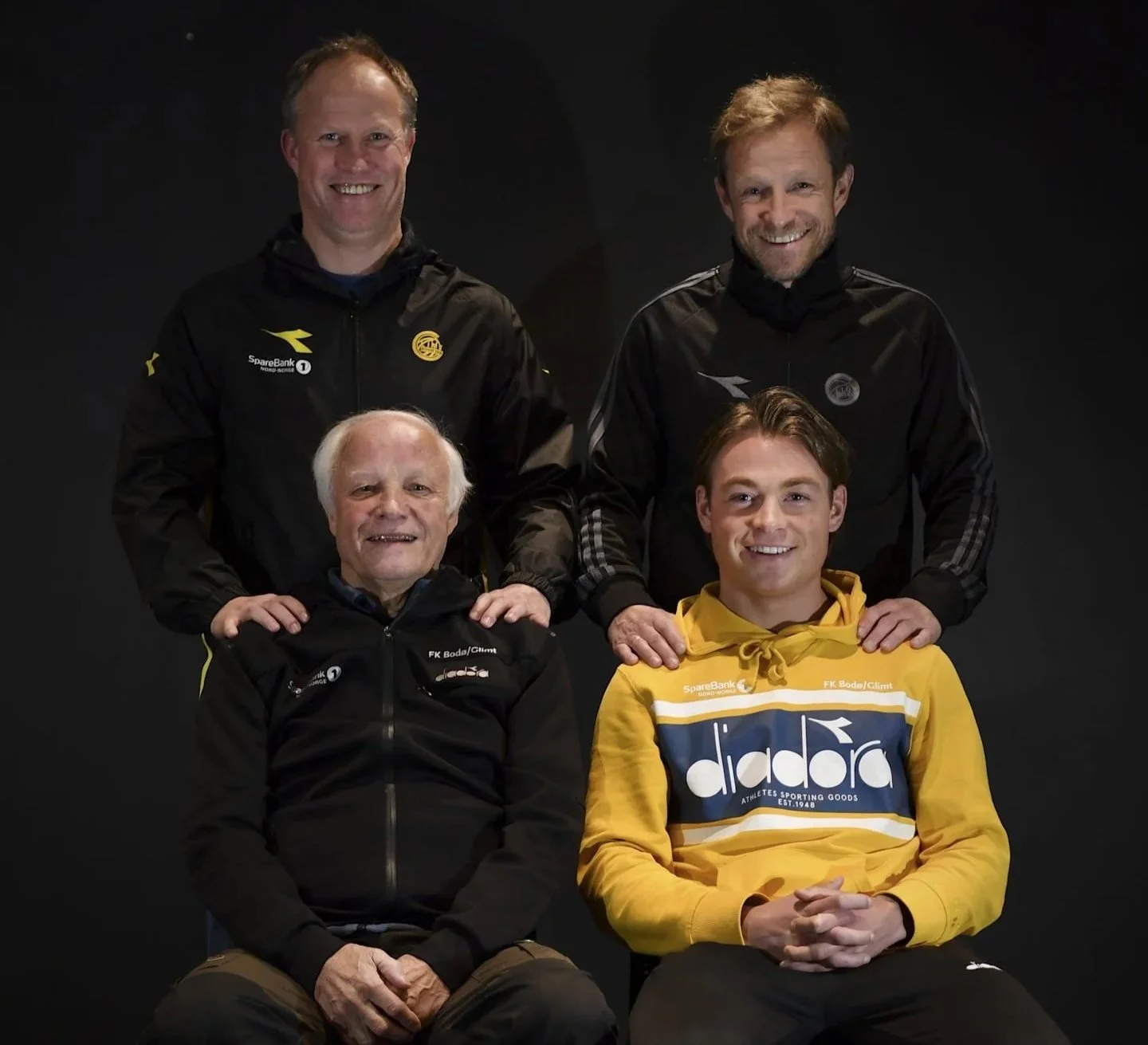
The Berg legacy is not about status, wins, or wealth. It is about social capital.
This philosophy resonates deeply with Louise Mohn, Founder of Meteva Sport og Helse, whose own family upbringing was rooted in social capital rather than material wealth—where money was never discussed, and value was measured by contribution to society.
“I grew up learning that you don’t talk about money. What mattered was what you gave back. Bodø/Glimt is built on that same principle. When social capital comes first, success follows naturally,” says Mohn.
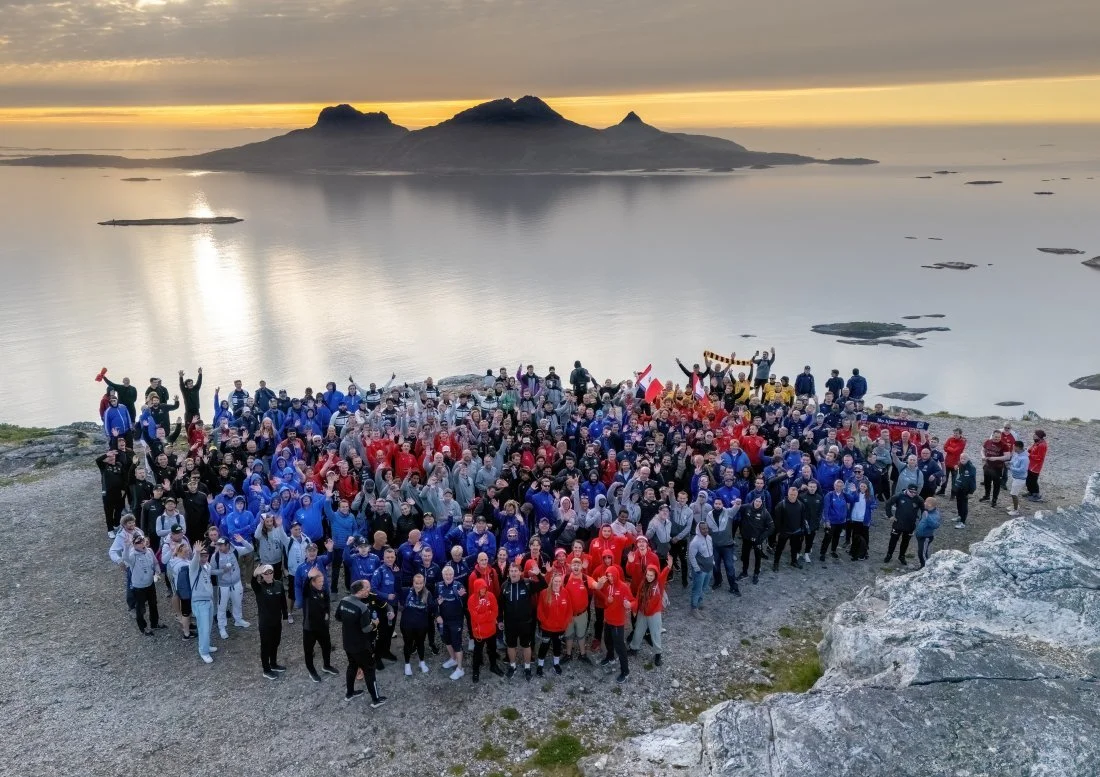
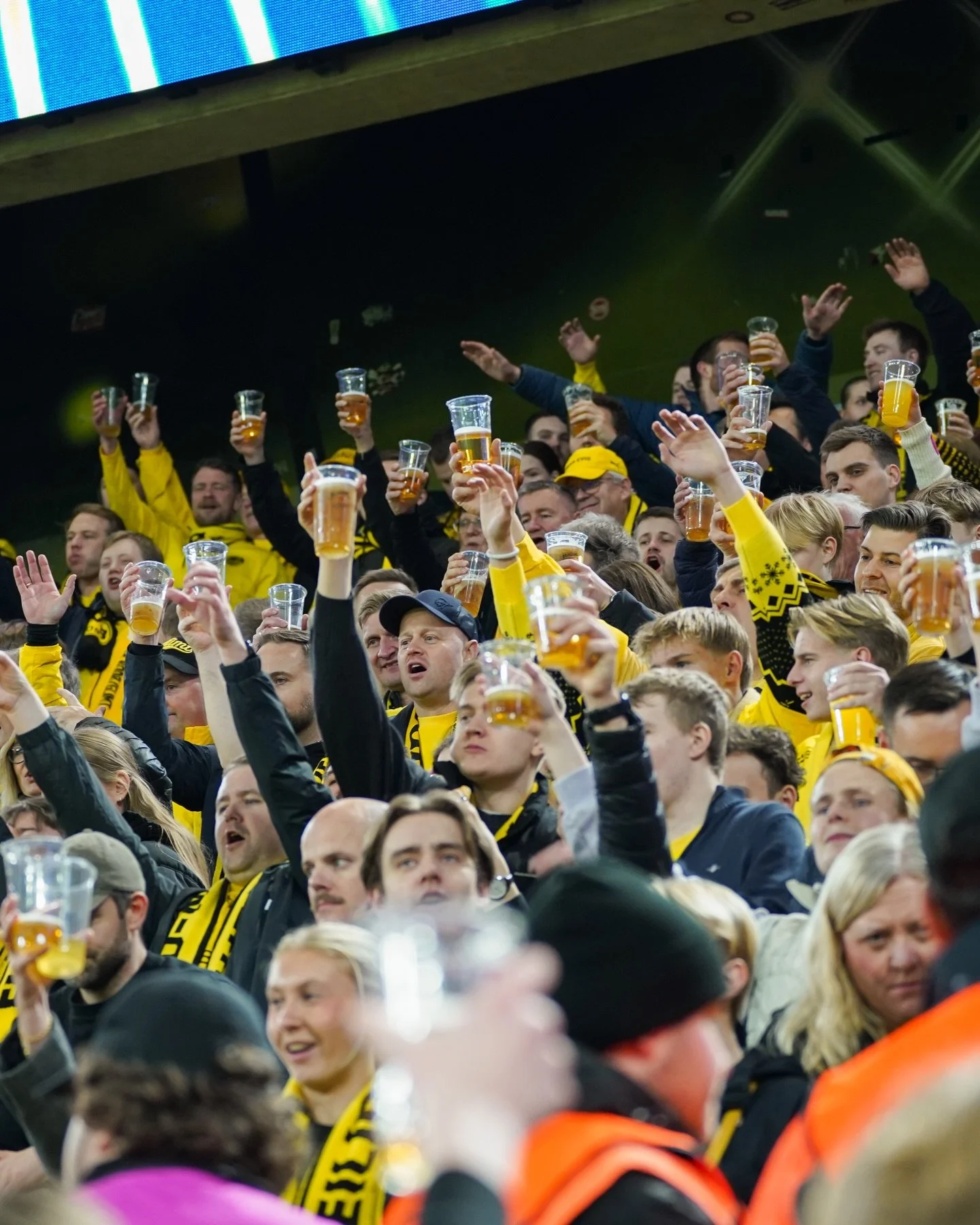
Bodø/Glimt is a living example of how elite sport, super role models, and localcommunity service can coexist and reinforce each other. The club believes performance is strongest when built on giving back, community development, and belonging.
Bodø/Glimt’s club model rests on two operational principles: Sustainability (Action Now) and Development. These are not slogans; they are applied values.
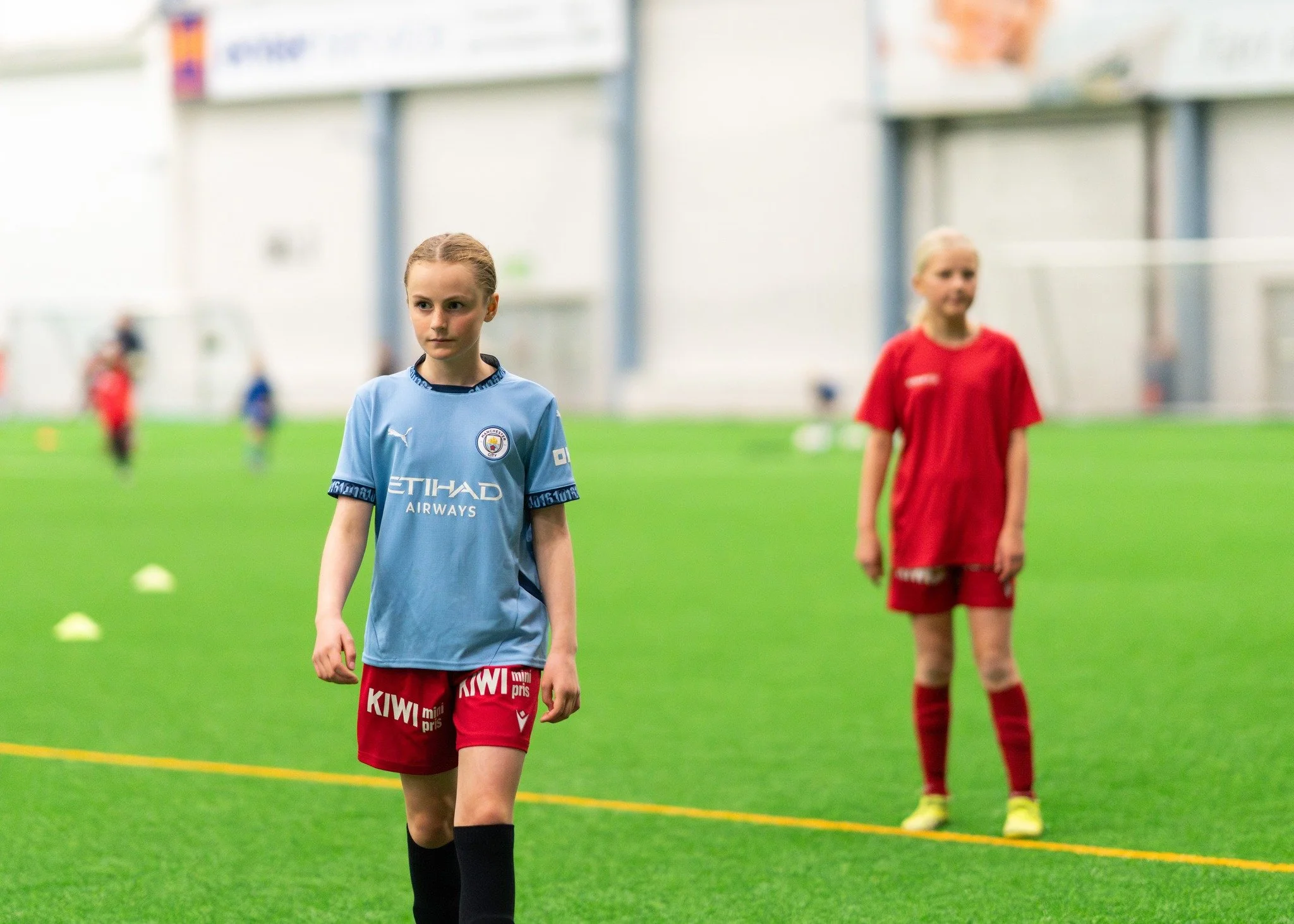
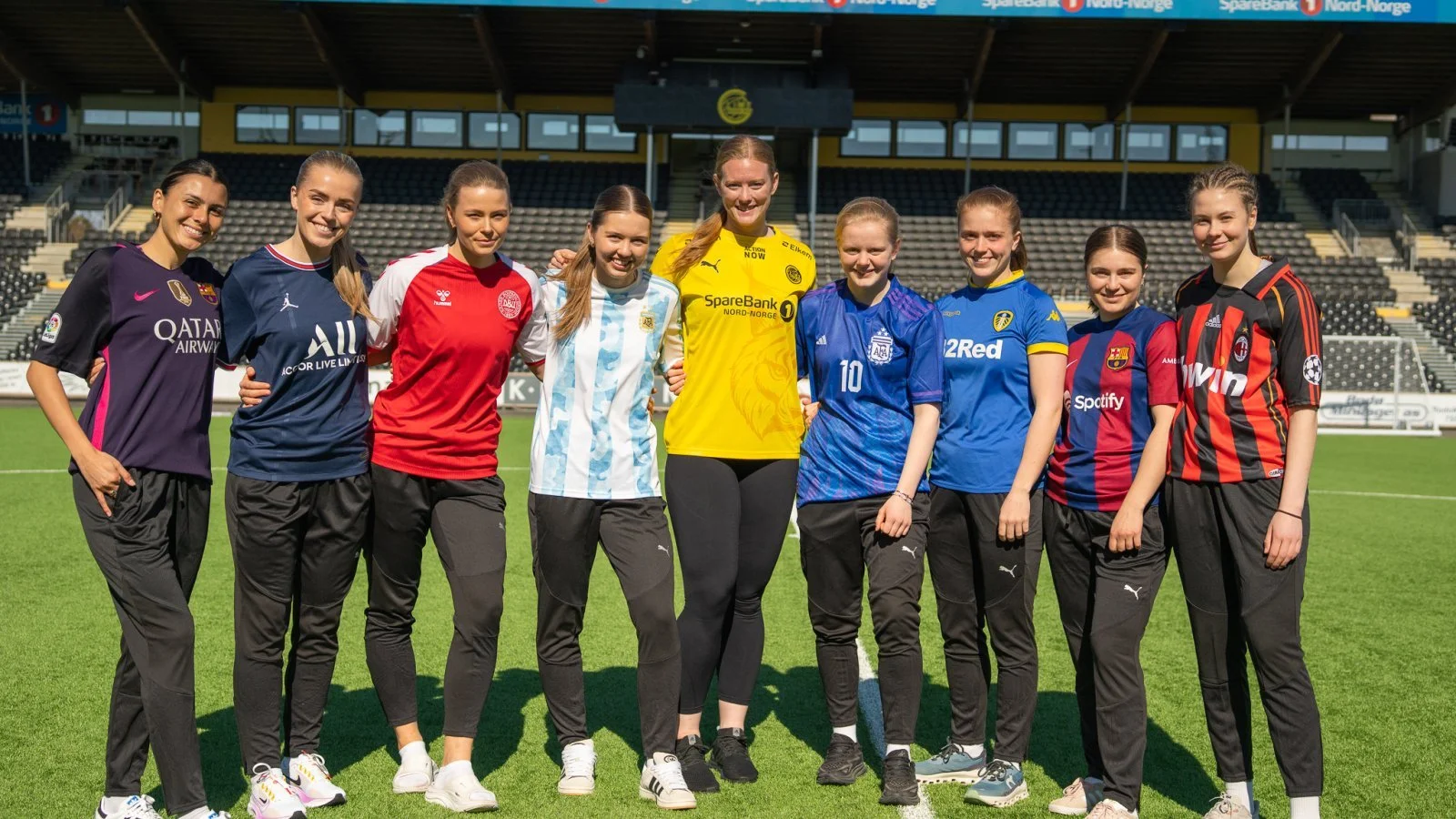
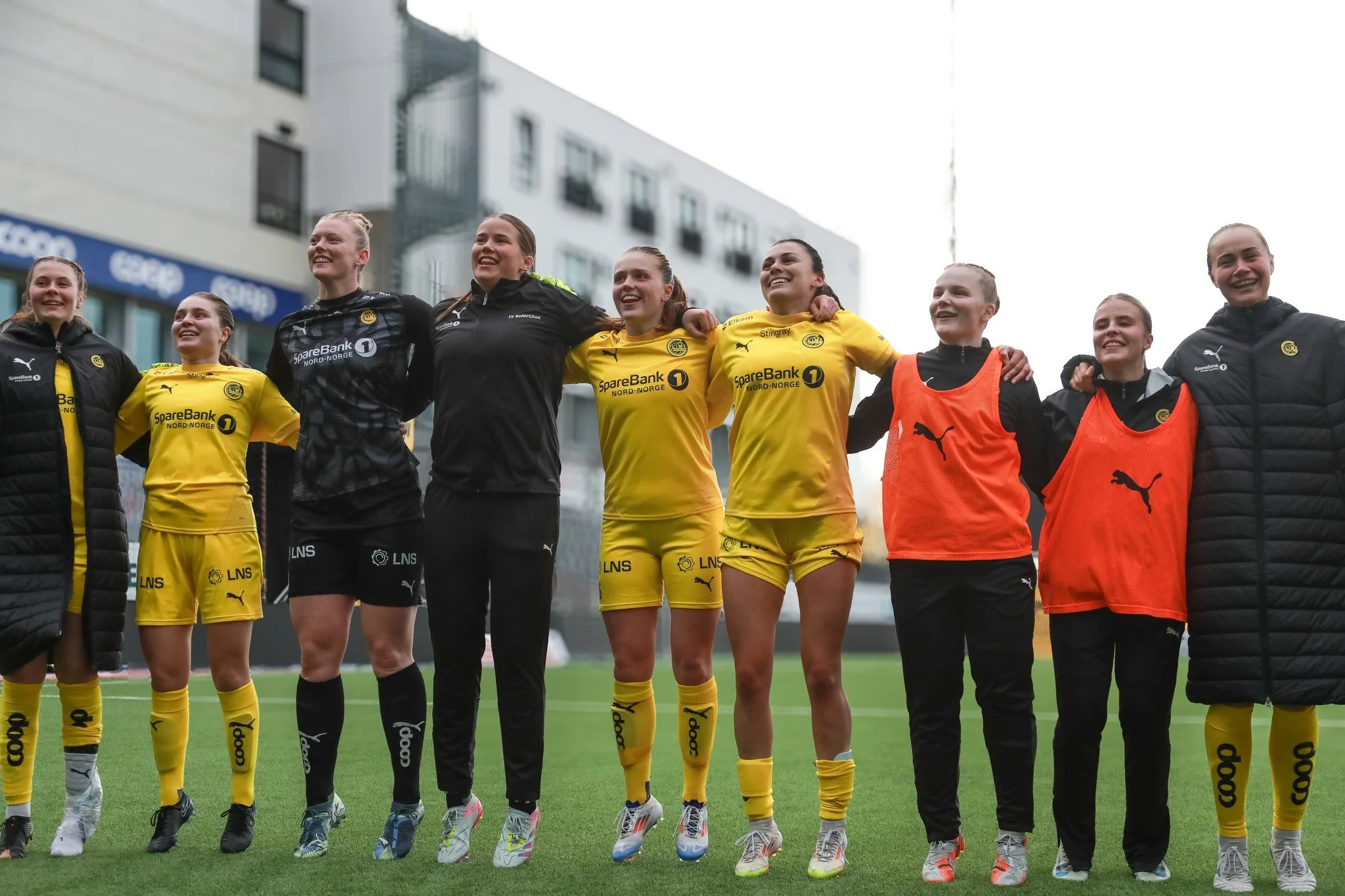
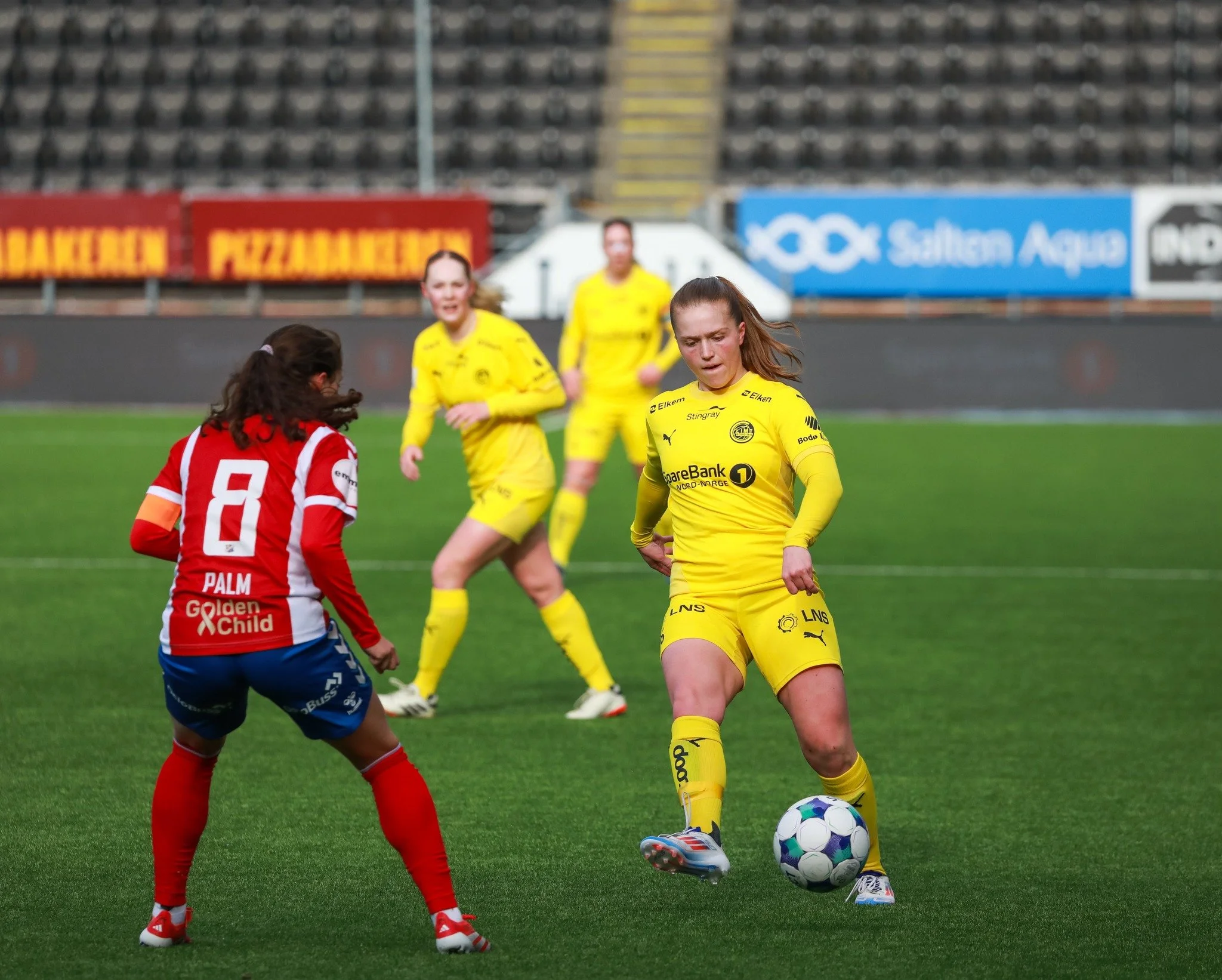
On the elite side, Glimt operates men’s and women’s first teams, a women’s B team, and a comprehensive academy structure from G13 to G19/B team, supported by full-time professional staff. Girls’ football has been deliberately strengthened through targeted development programs and extra training for girls aged 9–12, in close collaboration with NFF Nordland and a dedicated full-time coach.
Yet Glimt’s reach extends far beyond elite pathways.
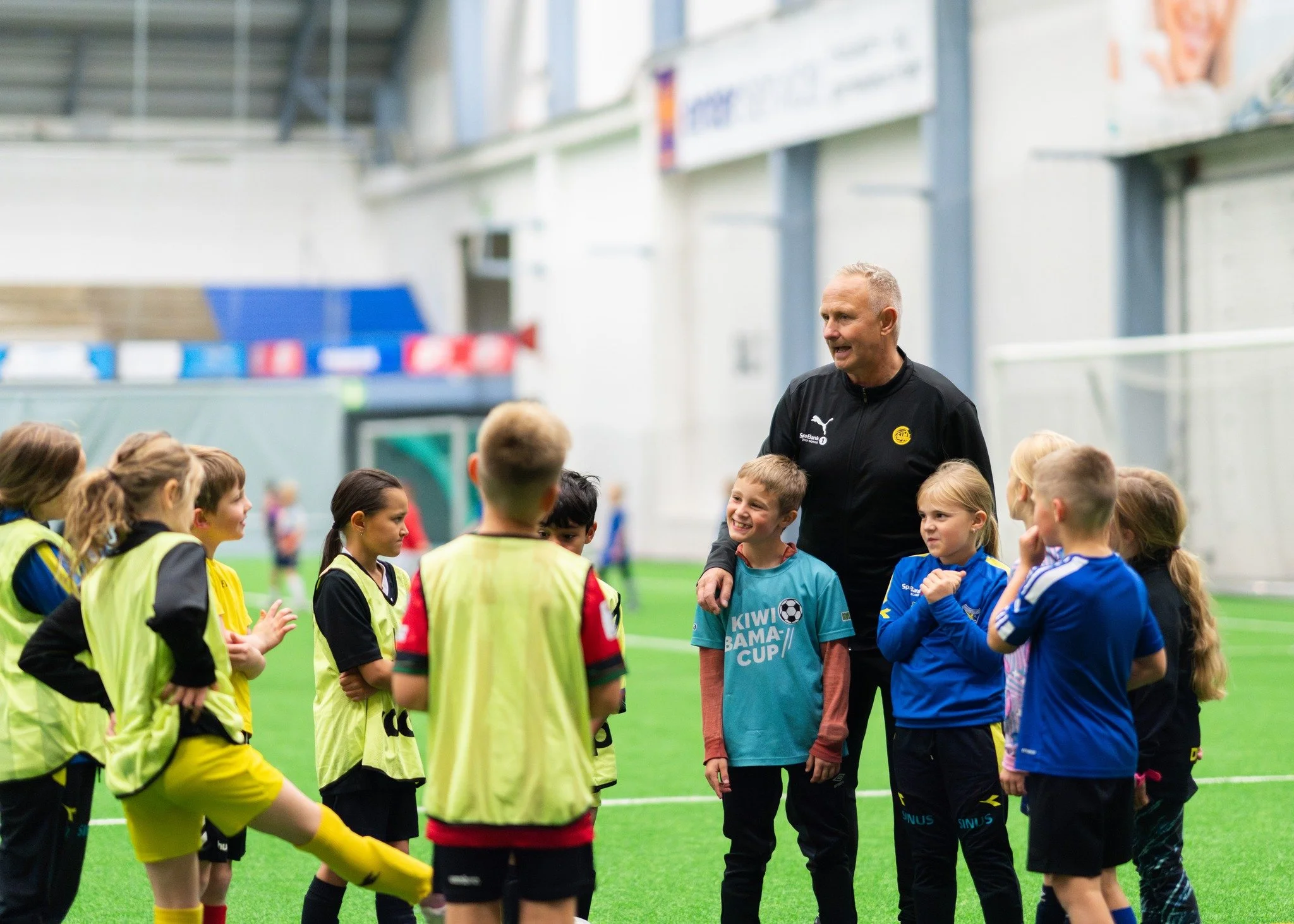
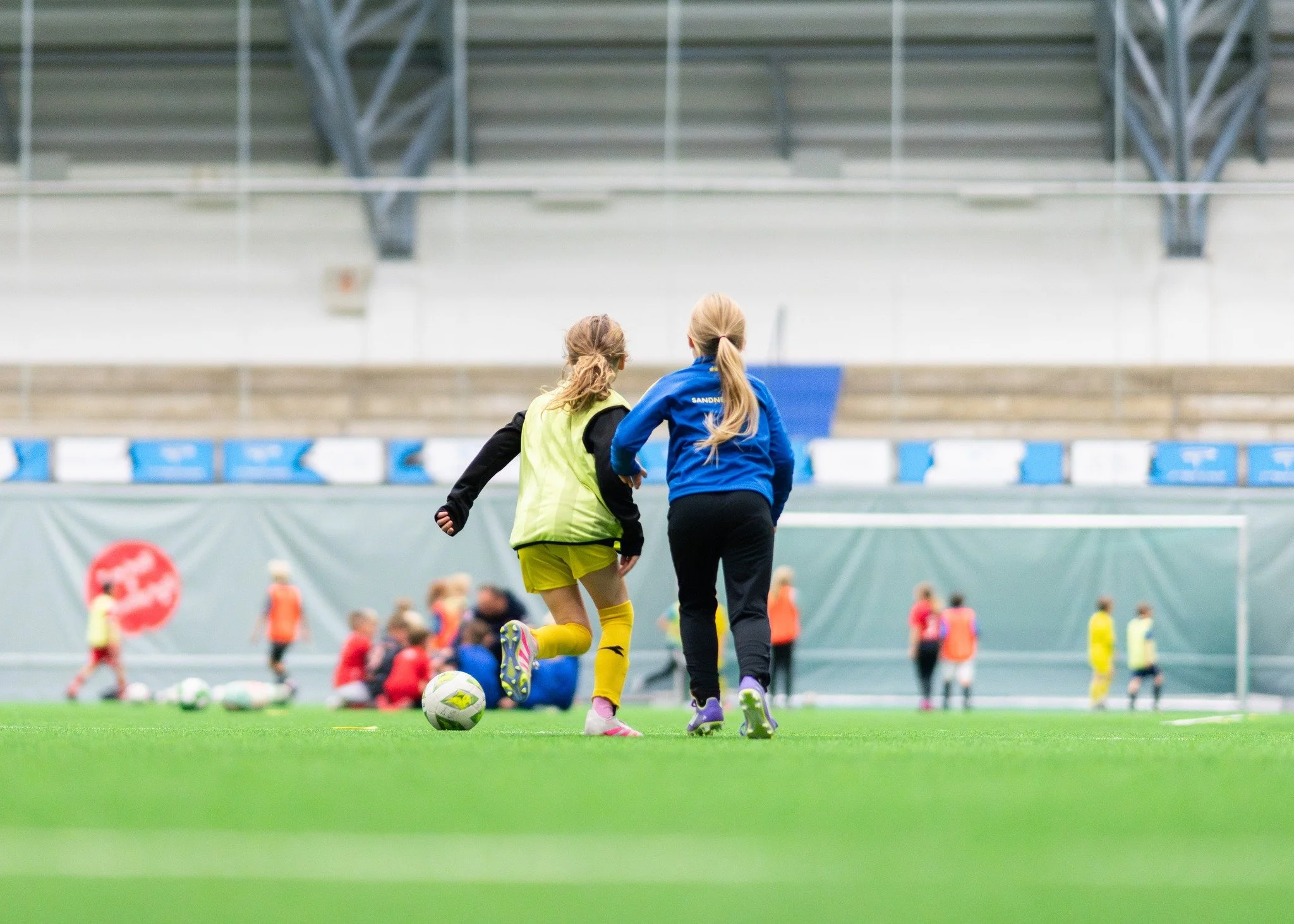
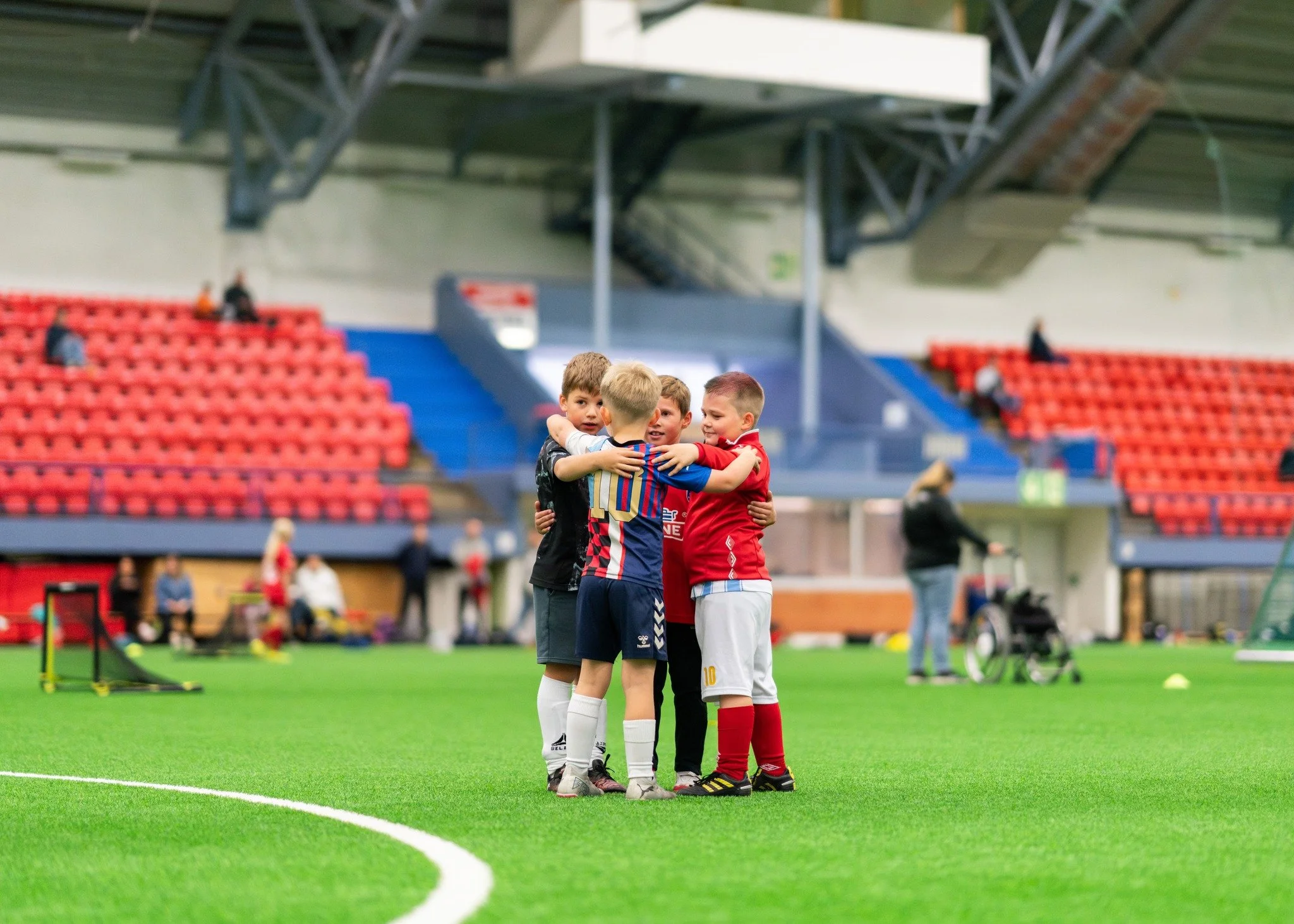
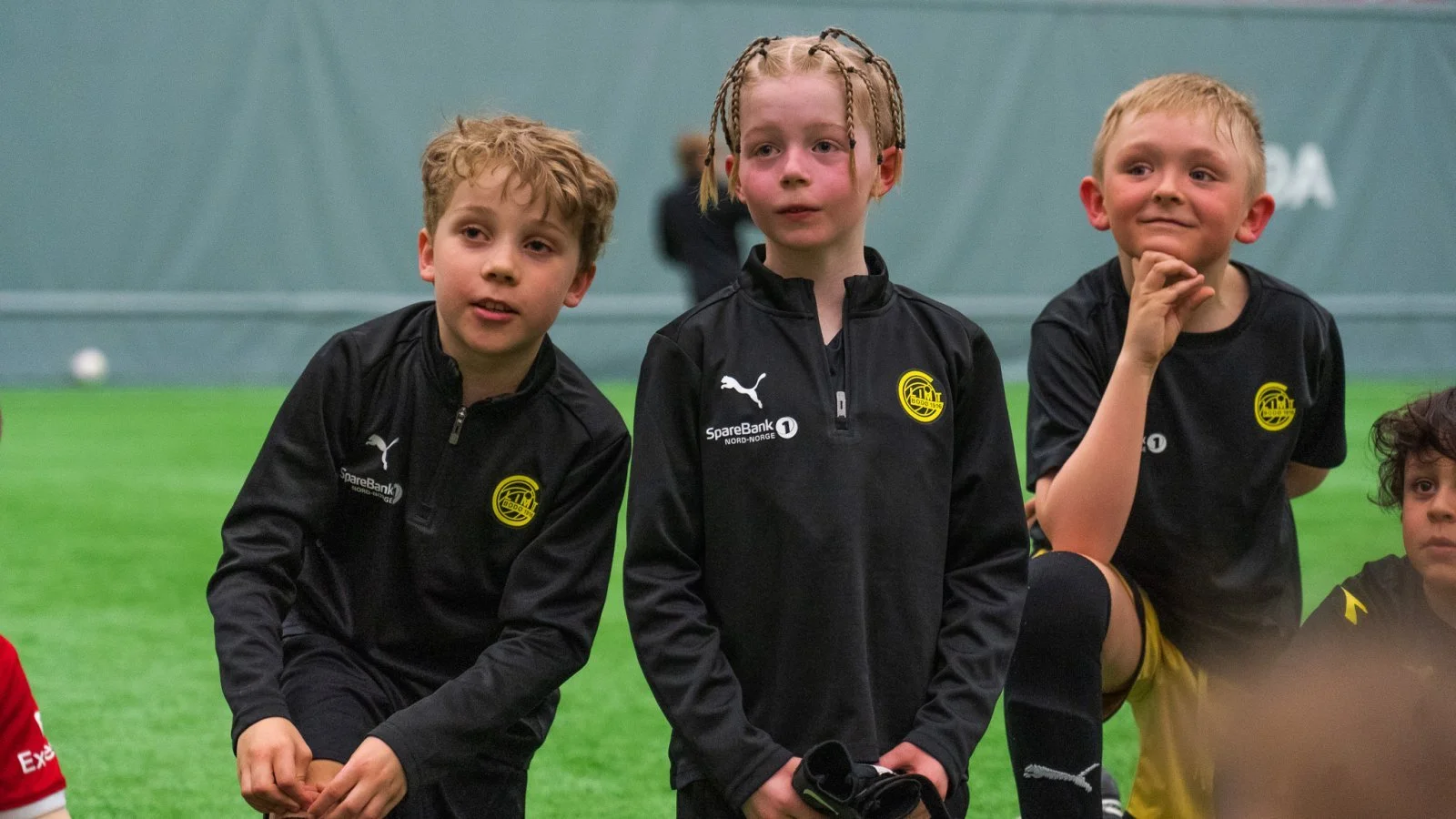
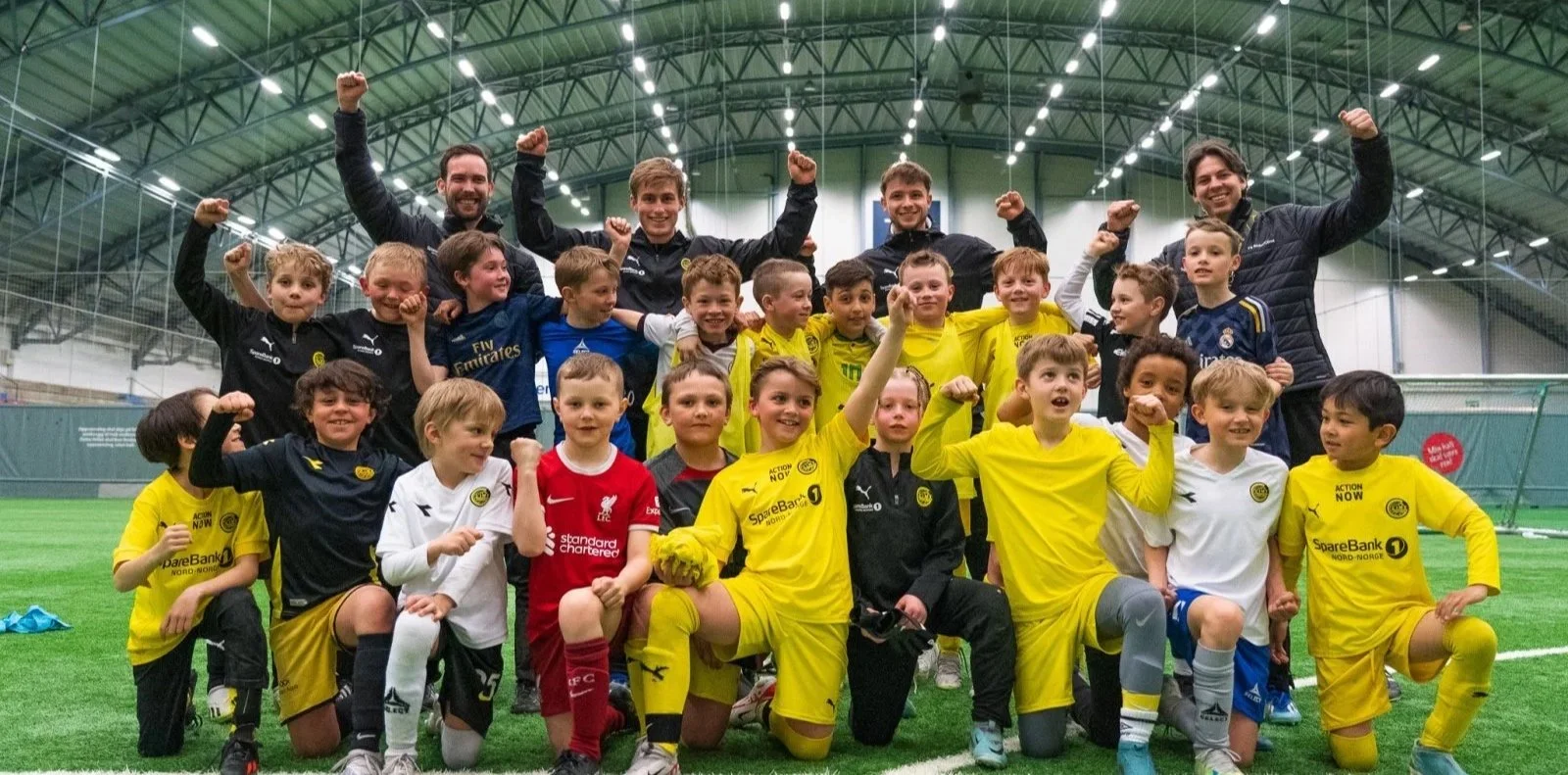
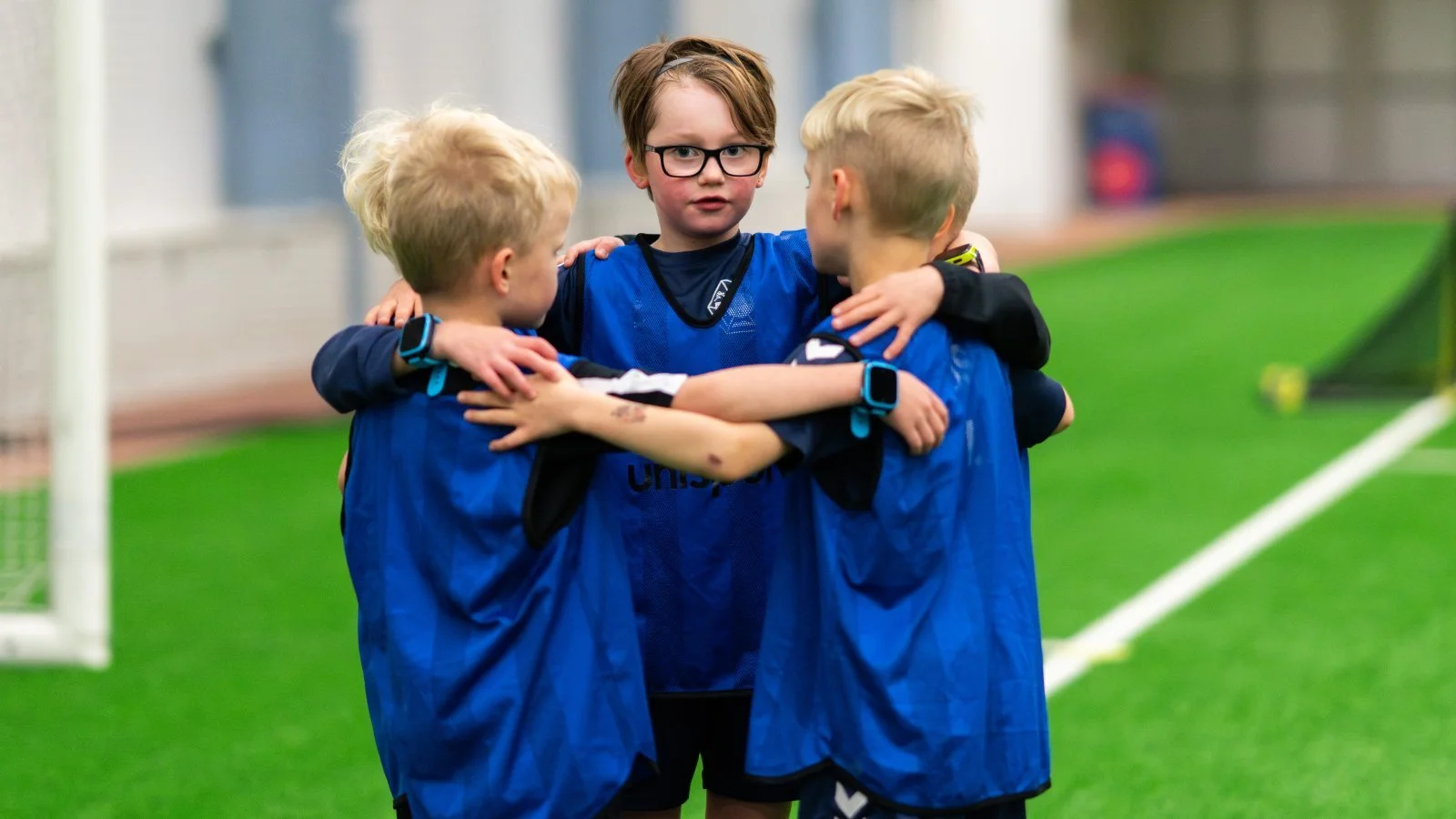
Under the banner “Football for All,” approximately 400 boys and girls aged 6–17 participate in grassroots football. Inclusion, however, goes deeper than participation numbers.
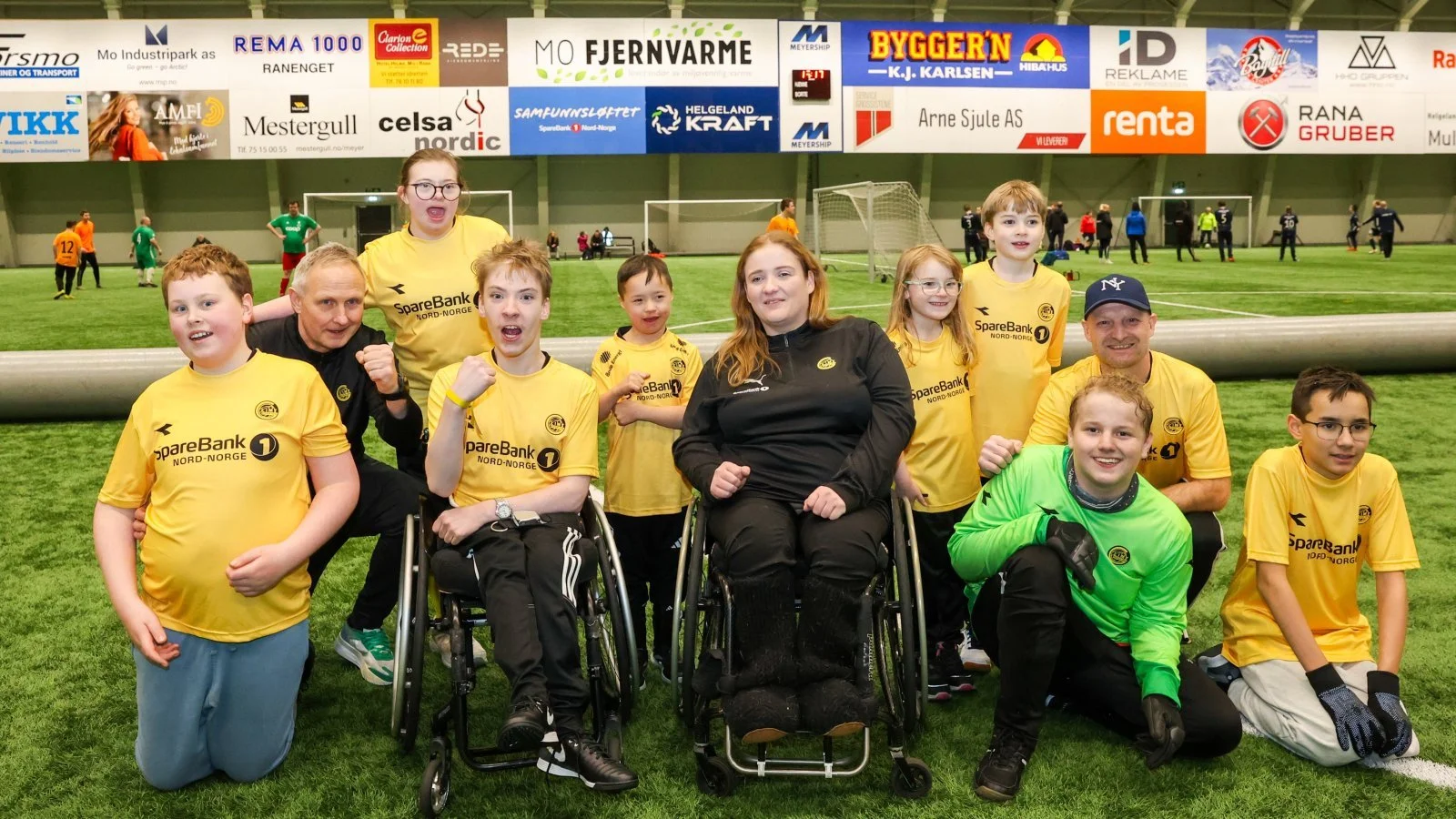
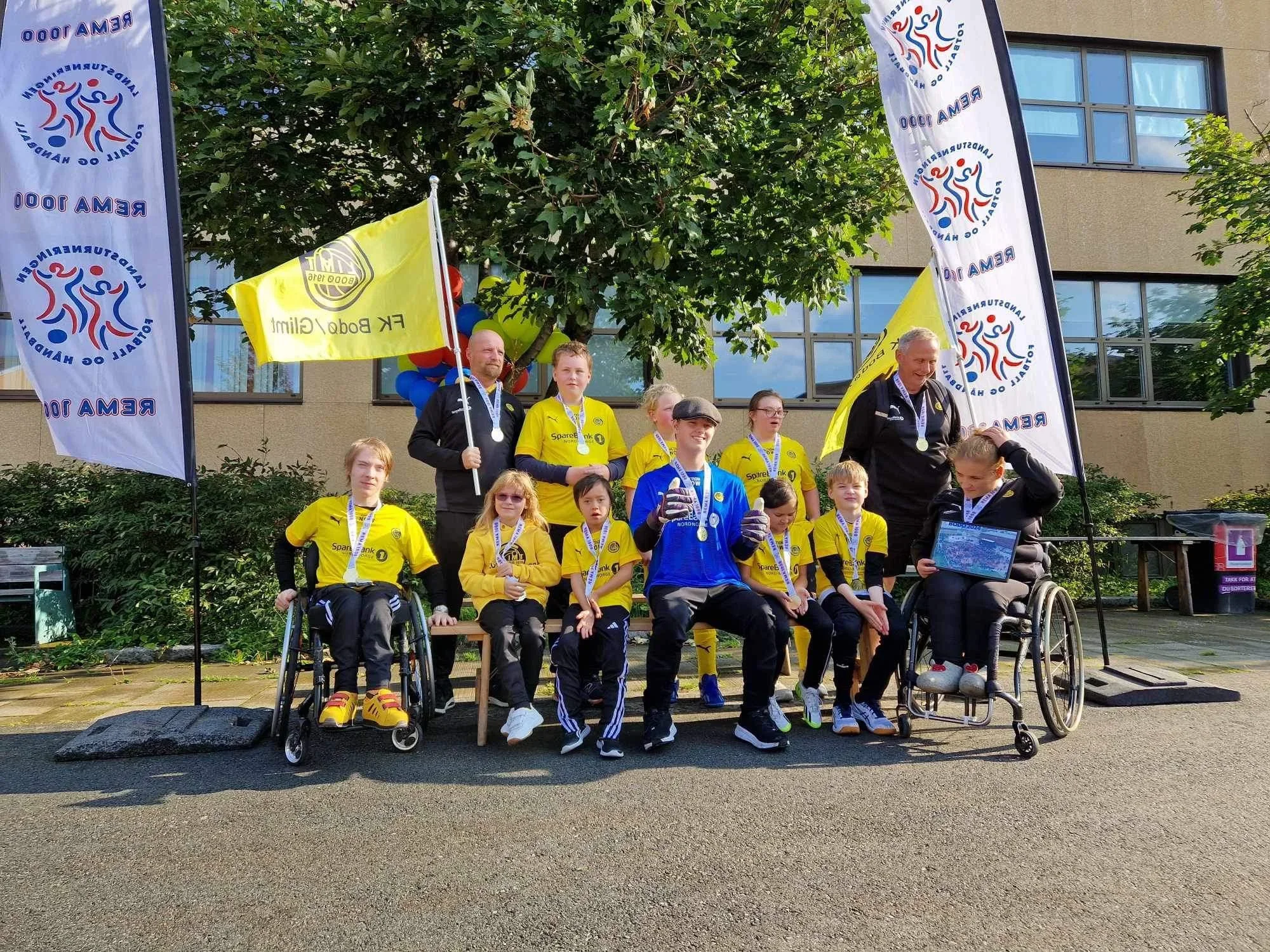
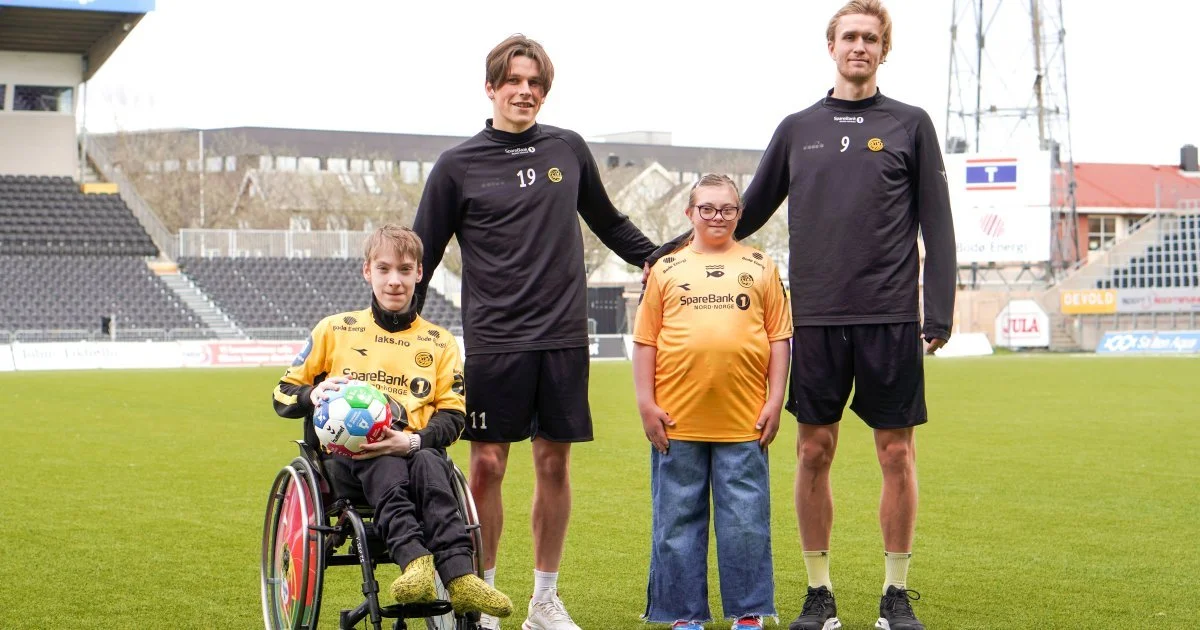
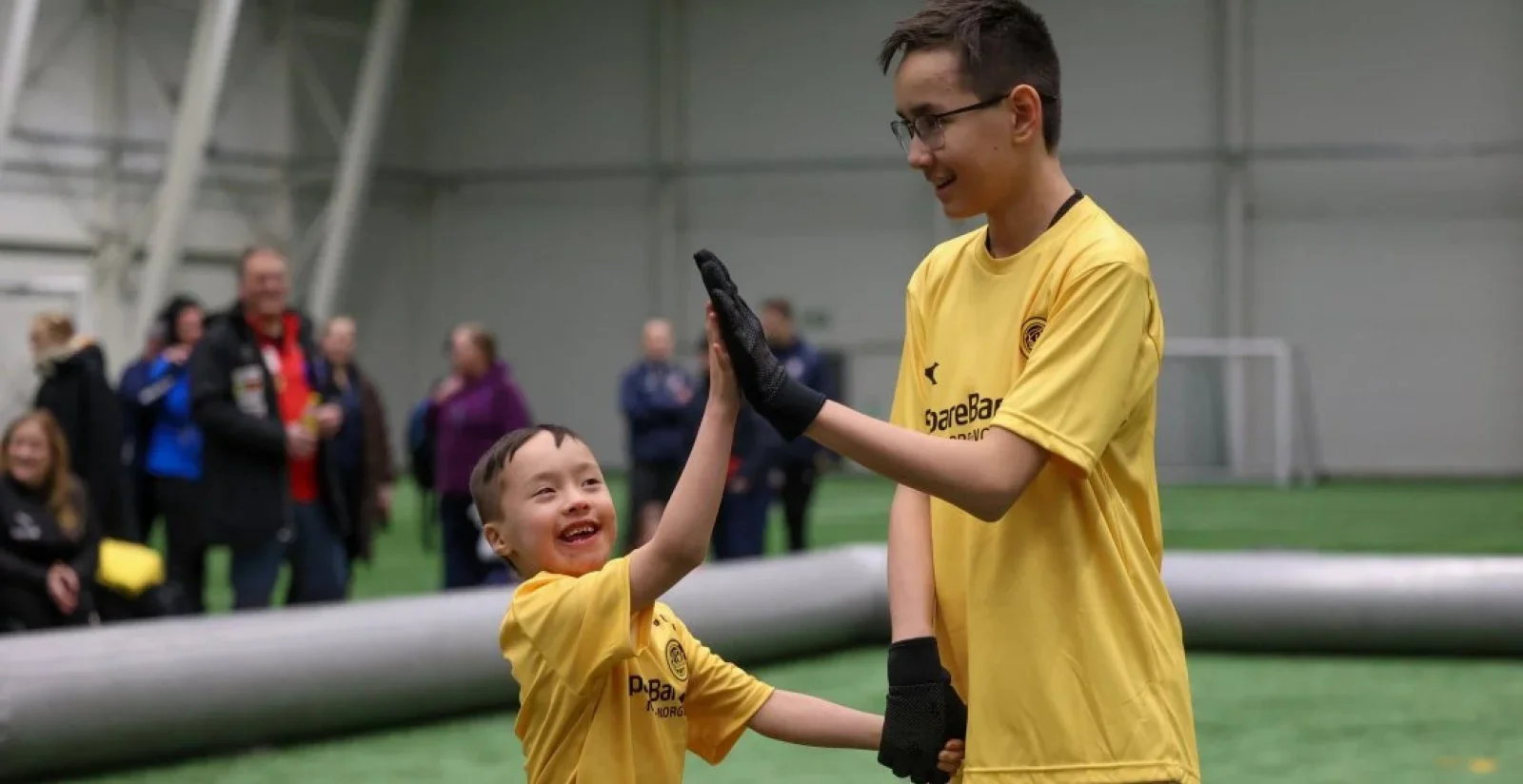
The Bodø/Glimt Star Team offers football to children and youth with functional challenges—one of very few such programs in Norway. The club also operates two distinct street football teams: one low-threshold daytime program for individuals with active substance use or mental health challenges, and Glimtvis, an aftercare program with afternoon training supporting transitions into work or education.
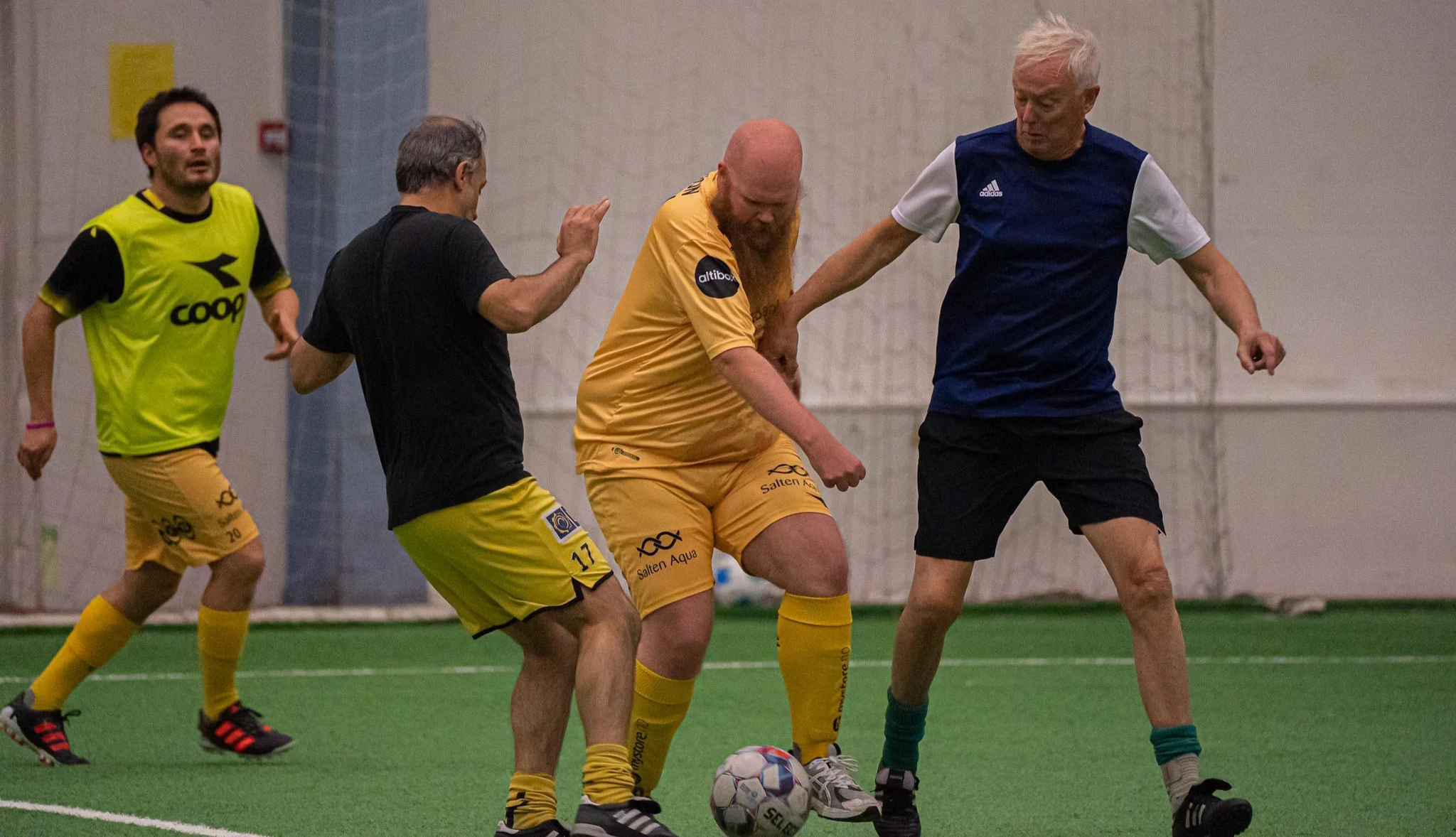
Learning from Education to Strengthen Sport
Glimt’s work continues to evolve through collaboration with Alberthaugen School, a specialized educational environment for students who have dropped out of traditional schooling. Alberthaugen emphasizes outdoor learning, clear frameworks, strong relationships, and placing young people in situations where they can experience mastery and responsibility.
Together, the school and the club have developed a framework for volunteer parent-coaches aimed at strengthening environments, improving well-being, and reducing dropout during the vulnerable teenage years. Dedicated coaches and parent-contact forums will support this work.
A Model for the Future
By placing development before results, people before pressure, and values before vanity, Glimt has built something rare in modern sport: a club that performs at the highest level while carrying social responsibility as a core competence.
At a moment in sports and even society, when many clubs and players often ask - what can football do for me? Bodø/Glimt has chosen to look outward — asking what can football give back?